TheREPowerEU planis the result.
This includes approval for the first EU-wide hydrogen projects by the summer.
Additionally, ahydrogenaccelerator is planned to build 17.5 gigawatts (GW) of electrolyzers.

This would fuel the EU industry with 10 million tonnes of renewable hydrogen by 2025.
Also in development is a modern regulatory framework for hydrogen.
It’s free, every week, in your inbox.
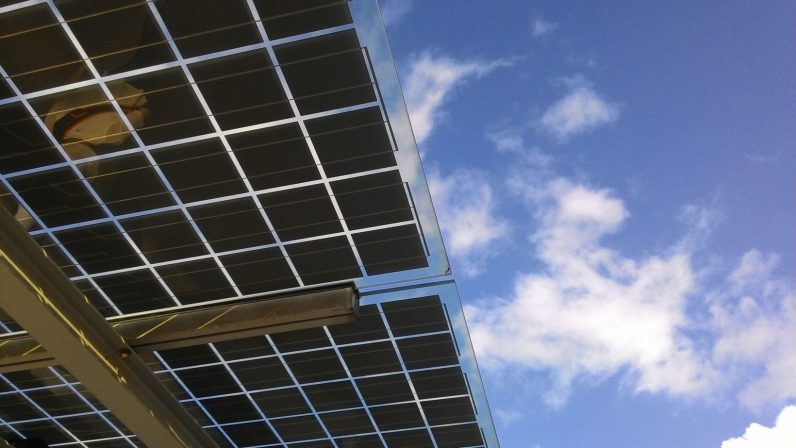
Simply put, Europe is going ALL in.
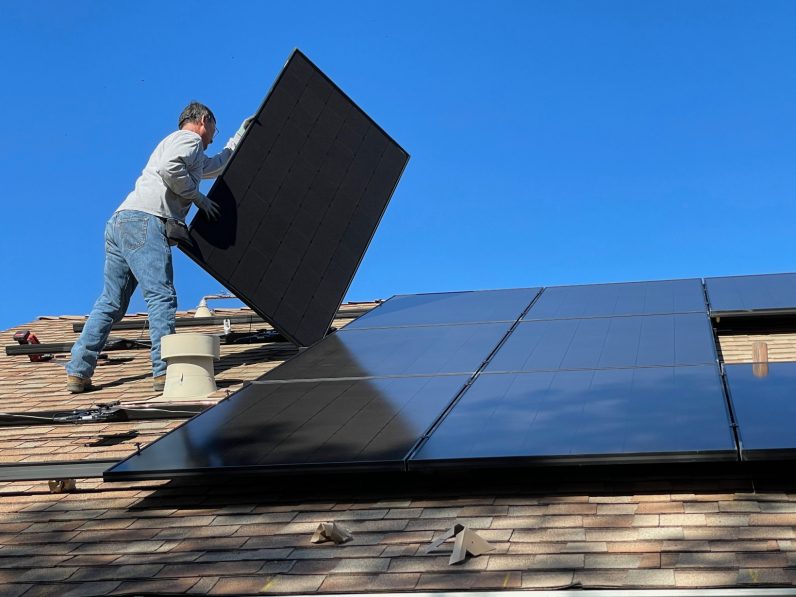
Current builds must install solar panels by 2027, and residential buildings by 2029.
Even better, the process will be expedited, with rooftop solar permits to be granted within three months.

To be clear, there are no specific targets or timelines in terms of any mobility rollout.
I would have expected SOME plans for public transport.
But there is some good contextual information.
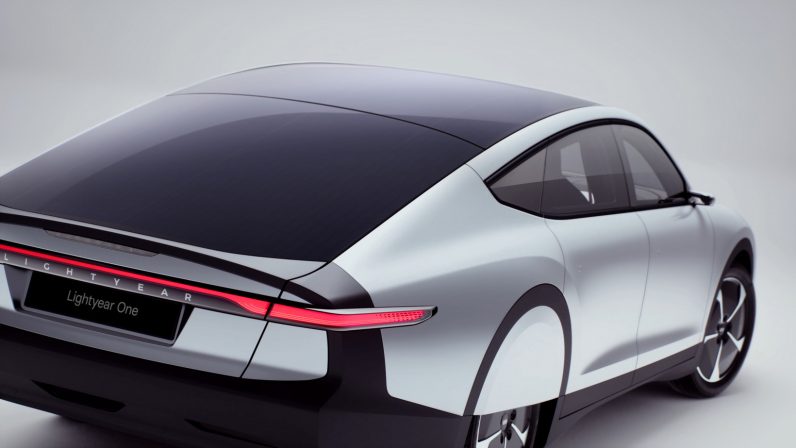
For example, the importance of off-grid recharging stations in rural areas and places with limited grid connection.
Critically, the report also mentions the importance of interoperability for connected devices such as batteries and heat pumps.
It details measures such as standardization or open-source solutions for digital connectivity.
So there we have it: some highly ambitious goals.
But theres also a pretty detailed roadmap on how to get there.
This includes ideas around public and private funding and actionable targets.
It stresses the need for a skilled workforce to achieve these aims.
Its anyones guess how different EU members choose to run with these ideas at a local level.
Or how and if the timelines are enforced.
But as things are moving fast, well find out soon enough.
Story byCate Lawrence
Cate Lawrence is an Australian tech journo living in Berlin.
