But automation has a vital role to play for services with shorter routes.
Gatik delivers goods between micro fulfillment centers, drugstores, smaller warehouses, and other local pickup points.
The legal status of autonomous trucks
40% off TNW Conference!
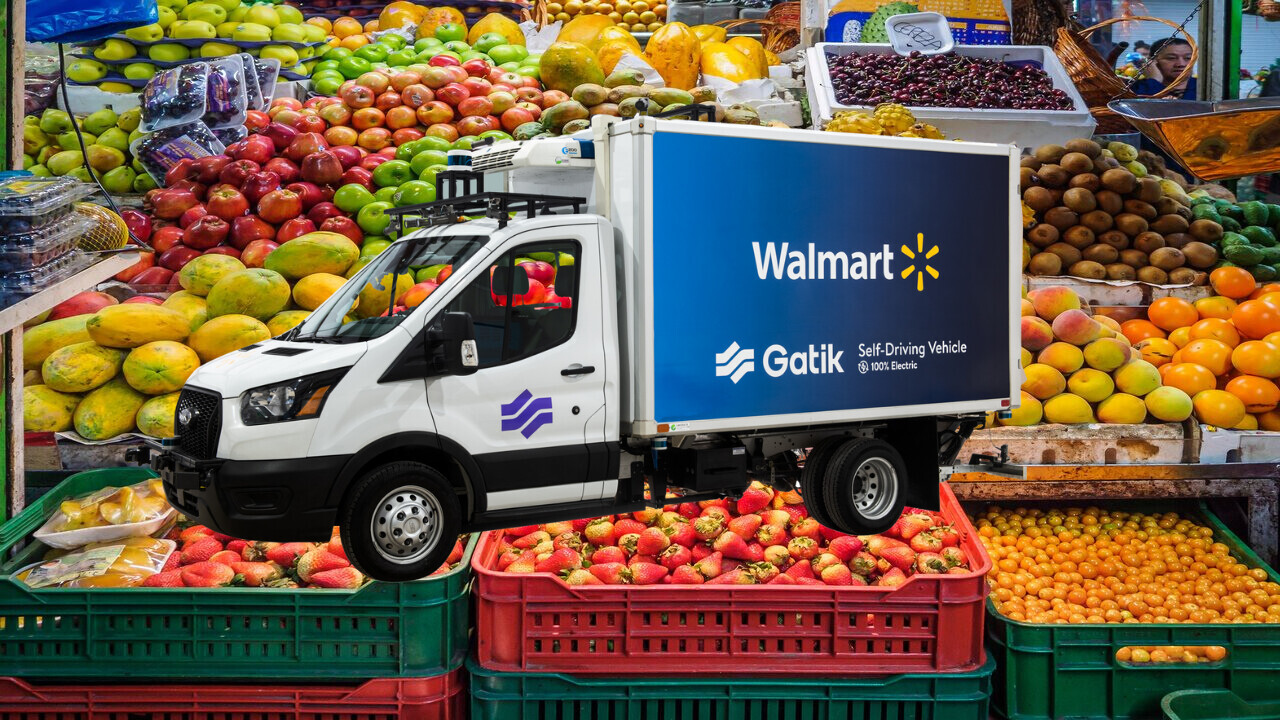
Steiner explained that 24 states in the US permit fully driverlesstrucksin the paid movement of goods.
Also, many states allow for fairly advanced testing essentially, everything up to actually removing the safety driver.
Currently, it can test in California.
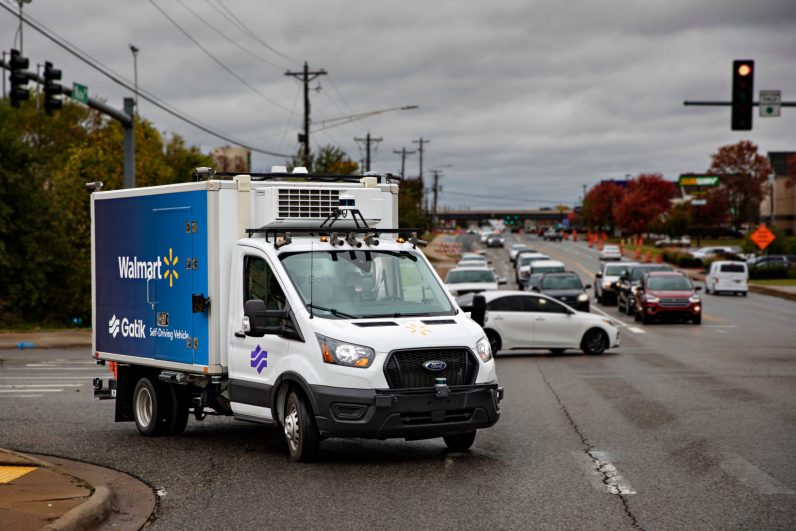
How does a company go from L4 to fully autonomous?
There areseveral levels of vehicle automation.
Gatik began its truck automation operations with a human behind the wheel of each vehicle.
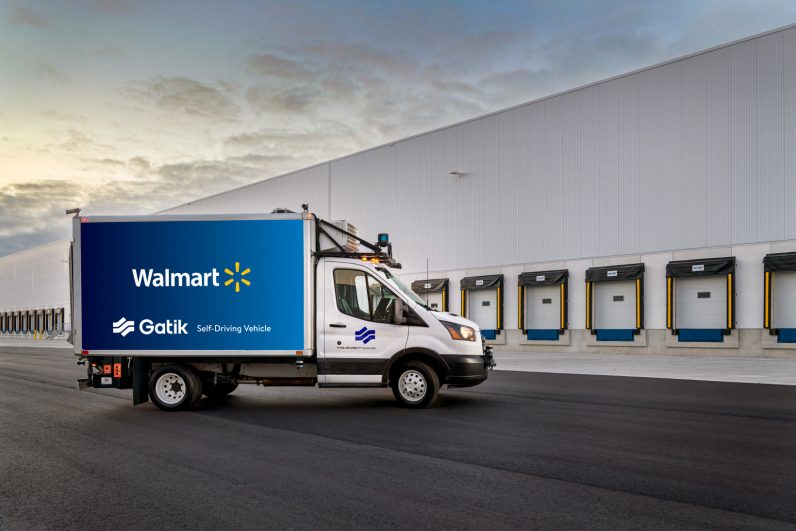
There is also a human in the loop at all times to provide remote supervision.
The truck can patch into the remote supervisor and request a high-level decision in these moments.
The vehicle would then undertake that action at the local level.
But edge cases are edge cases for a reason.
Whats the workflow like?
We now know how autonomous trucks stay safe, but how do they operate in practice?
Thankfully for you, we found out:
Pretty tidy!
Its foreseeable in the future that some businesses will use robotics to automate the loading and unloading process.
A continuous service model is provided, as trucks can grab a charge during loading or unloading goods.
And thats how Gatik does what it does successfully.
Whats the secret to Gatiks success?
Gatik has a 100% safety record.
It attributes this to its repetition and fixed repeatable routes.
So thats what weve done.
He continued, So we specifically map for the safest route possible.
Well take three right turns versus one unprotected left because it is safer to do so.
It also allowed the company to validate its technology and, vitally, economics.
What are the savings to the companies involved?
That begets a simple question: do autonomous trucks actually save companies money?
Unsurprisingly, Steiner thought so.
He explained that driverless operations can save a company at least 30 to 40% in wages.
On top of that, because theyre heavily over-optimizing the routes, fuel, and maintenance costs are built-in.
But what do other road users think when they see a truck with no driver?
I was curious to know how drivers responded when witnessing an autonomous truck in the wild.
The companys next move is to expand its customer density and markets.
The task of mapping within the appropriate geocached routes is nothing simple either.
And of course, all of this becomes even more complex as companies attempt to expand to international markets.
The supply chain has been struggling to meet consumer demand, especially for local delivery.
Consumers have come to expect easy access to retail goods.
This means more trucks and more trips, andmore strain on the supply chain.
Story byCate Lawrence
Cate Lawrence is an Australian tech journo living in Berlin.
