The CSIROs 64-metre Parkes Radio Telescope was commissioned on October 31, 1961.
Through its early discoveries, it quickly became the leading instrument of its kind.
Today, 60 years later, it is still arguably the finest single-dish radio telescope in the world.
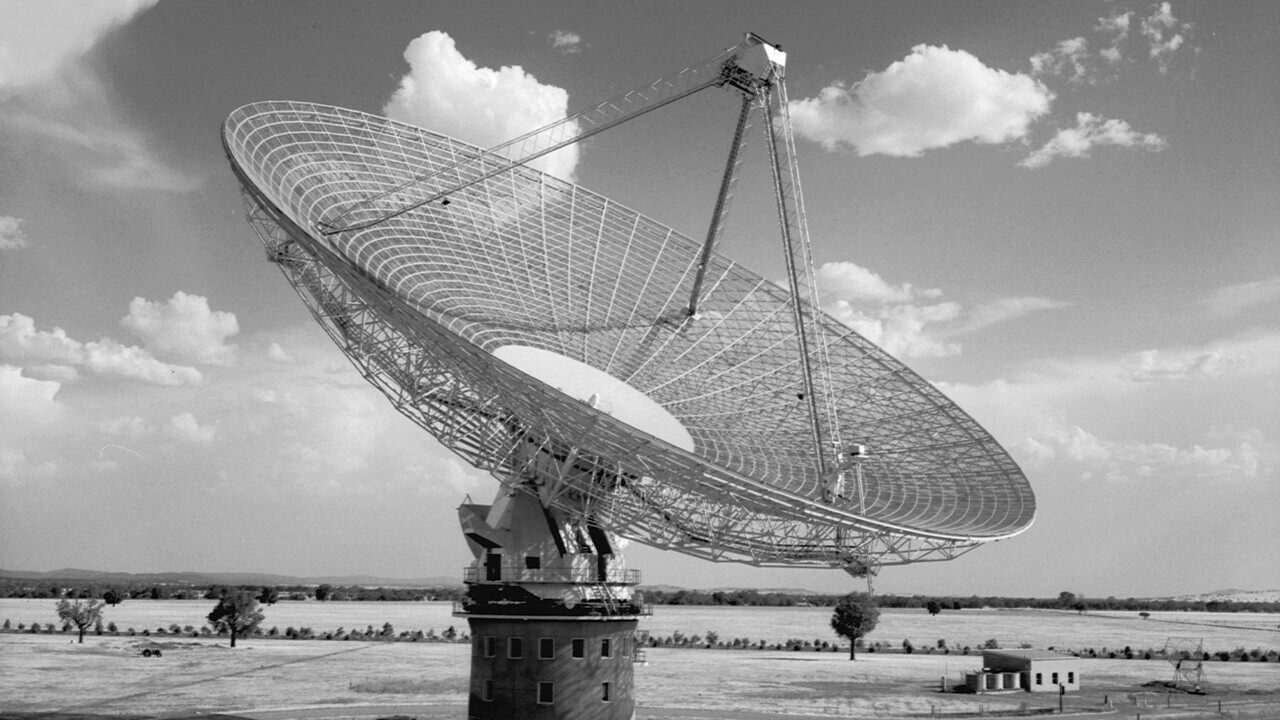
It is still performing world-class science and making discoveries that shape our understanding of the Universe.
On the Sydney cliff tops at Dover Heights, the laboratory developed radar for use in the Pacific theatre.
In 1946, British physicist Edward Taffy Bowen was appointed chief of the Radiophysics Laboratory.
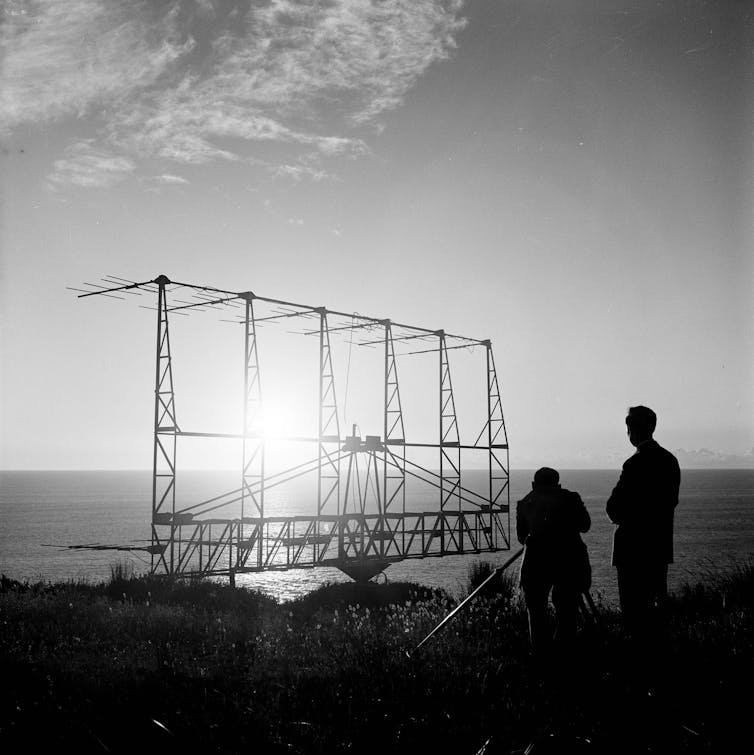
The Radiophysics Laboratory had a dedicated radio astronomy group, led by the brilliant Joseph (Joe) Pawsey.
These observations established the Radiophysics Laboratory as a world-leading center of radio astronomy.
40% off TNW Conference!
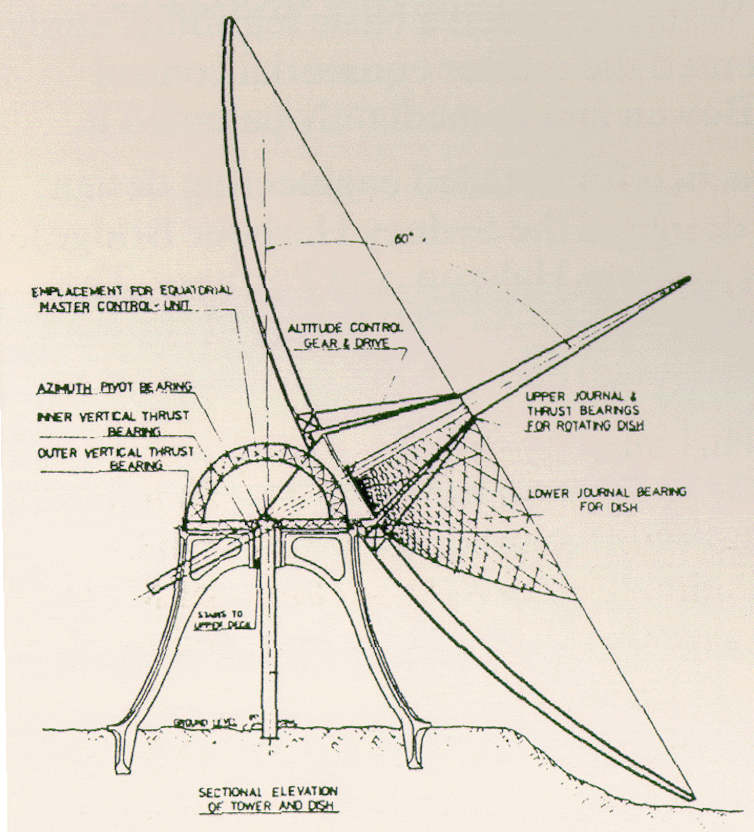
He decided the most versatile option was to build a large, fully steerable dish antenna.
Based on the available budget and desired functionality, a diameter of 64 meters was agreed for the dish.
The chosen site was near the town of Parkes, about 350km west of Sydney.
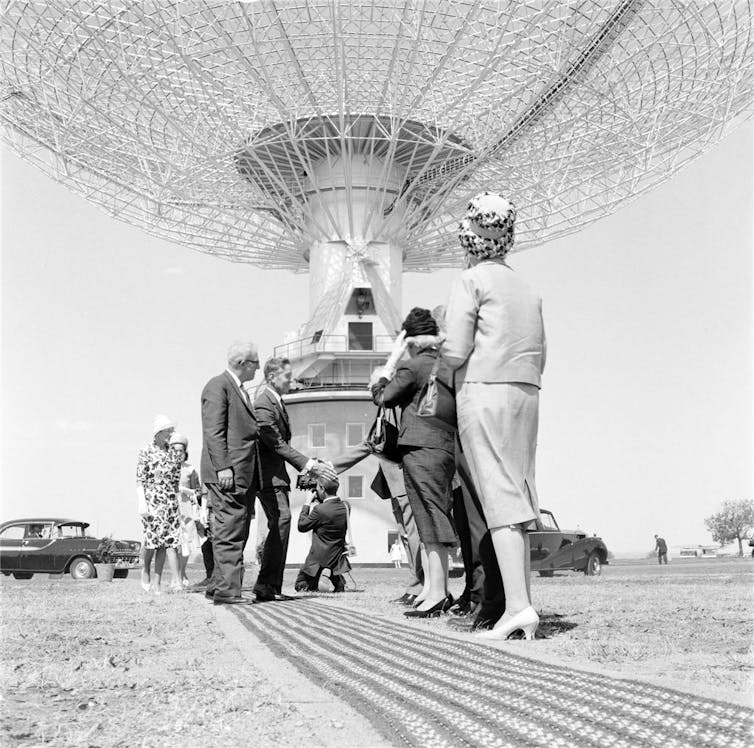
This location had favorable weather conditions and was free of local radio interference.
The local council also enthusiastically offered to cover the cost of some of the earthworks.
In 2020, the local Wiradjuri peoplenamed the telescope Murriyang, a traditional name meaning Skyworld.
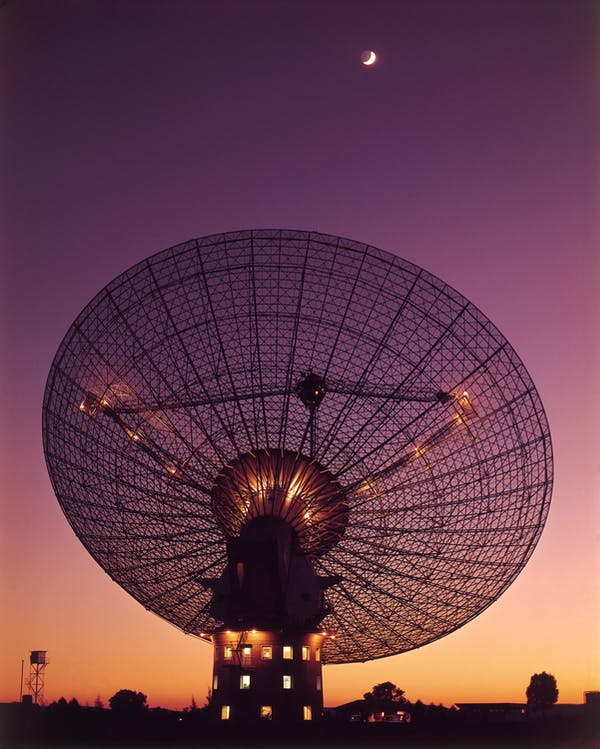
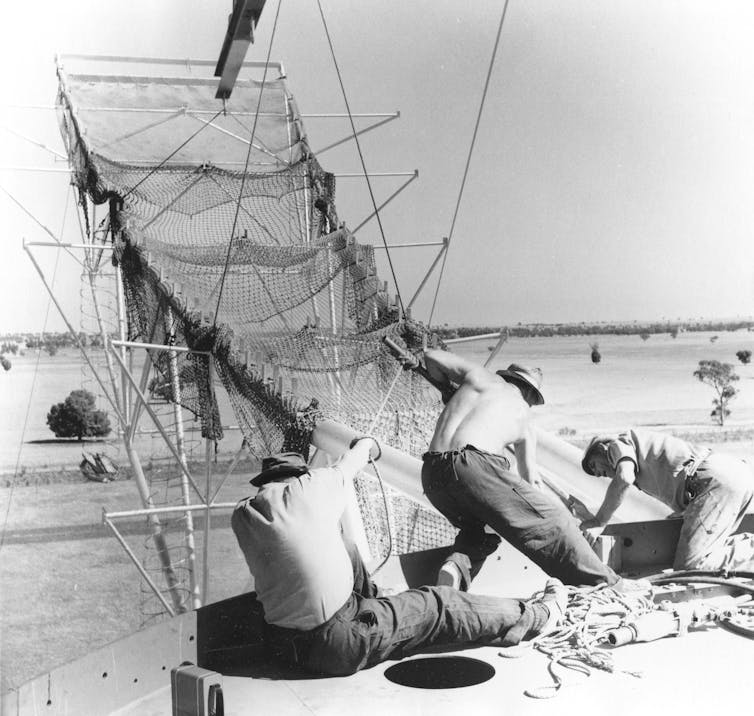
The telescopes construction began in September 1959 and was completed just two years later.
Decades of discovery
John Bolton was appointed the founding director of the telescope.
Astronomers revealed the immense magnetic field of our Milky Way galaxy.
In the 1970s, researchers discovered and mapped the immense molecular clouds interspersed through our galaxy.
In 1986, Parkes was the prime tracking station for the European Giotto mission to Halleys Comet.
And next year, Parkes will track some of the first commercial lunar landers.

Originally intended to operate for 20 years, the telescopes longevity is a result of constant upgrades.
Its hard to say how long the Parkes dish will continue to work.
It depends on future upgrades and whether the telescopes structure remains in good working order.
But astronomers will always have a need for a large single-dish antenna.
Parkes has maintained its world-leading position in radio astronomy by constantly adapting to meet new requirements.
Today it stands as an icon of Australian science and achievement.
Sixty years after it first trained its eye on the sky, the future still looks bright at Parkes.
Article byJohn Sarkissian, Operations Scientist,CSIRO
This article is republished fromThe Conversationunder a Creative Commons license.
