The UK government isreportedly consideringa 16 billion proposal to build a solar power station inspace.
Yes, you read that right.
Space-based solar power is one of the technologies to feature in the governmentsNet Zero Innovation Portfolio.
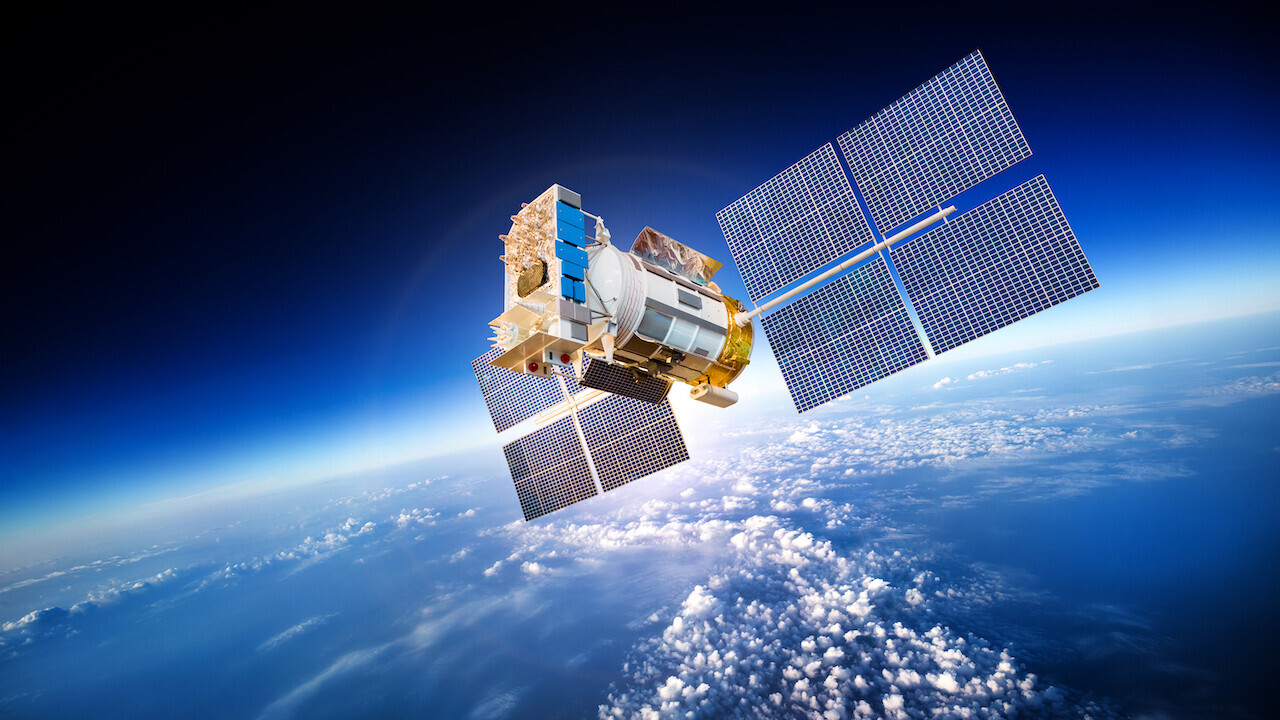
But how would a solar power station in space work?
What are the advantages and drawbacks to this technology?
Space-based solar powerinvolves collecting solar energy in space and transferring it to Earth.
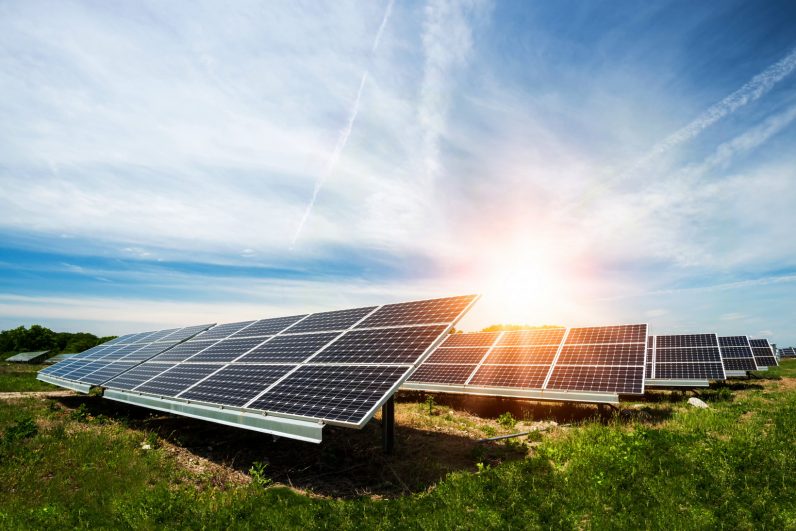
While the idea itself is not new, recent technological advances have made this prospect more achievable.
The space-based solar power system involves a solar power satellite an enormous spacecraft equipped with solar panels.
These panels generate electricity, which is then wirelessly transmitted to Earth through high-frequency radio waves.

40% off TNW Conference!
Transporting all these elements into space is difficult, costly, and will take a toll on the environment.
Theweight of solar panelswas identified as an early challenge.
Importantly, assembling even just one space-based solar power station will require many space shuttle launches.
Space shuttles are not currently reusable, though companies likeSpace Xare working on changing this.
Being able to reuse launch systems would significantly reduce the overall cost of space-based solar power.
Solar panels could be damagedby space debris.
Further, panels in space are not shielded by Earths atmosphere.
Theefficiencyof wireless power transmission is another issue.
Transmitting energy across large distances in this case from a solar satellite in space to the ground is difficult.
Based on the current technology, only a small fraction of collected solar energy would reach the Earth.
The USNaval Research Laboratorytested a solar module and power conversion system in space in 2020.
The project is expected to start with small trials, leading to an operational solar power station in 2040.
The solar power satellite would be 1.7km in diameter, weighing around 2,000 tonnes.
The terrestrial antenna takes up a lot of space roughly 6.7km by 13km.
Given the use of land across the UK, its more likely to be placed offshore.
This satellite would deliver 2GW of power to the UK.
But as technology advances, the cost of space launch and manufacturing will steadily decrease.
And the scale of the project will allow for mass manufacturing, which should drive the cost down somewhat.
Whether space-based solar power can help us meet net-zero by 2050 remains to be seen.
Despite the challenges, space-based solar power is a precursor for exciting research and development opportunities.
In the future, the technology is likely to play an important role in the global energy supply.
