This object is designed to solve an enormous environmental problem.
But in so doing, it brings attention to a number of others.
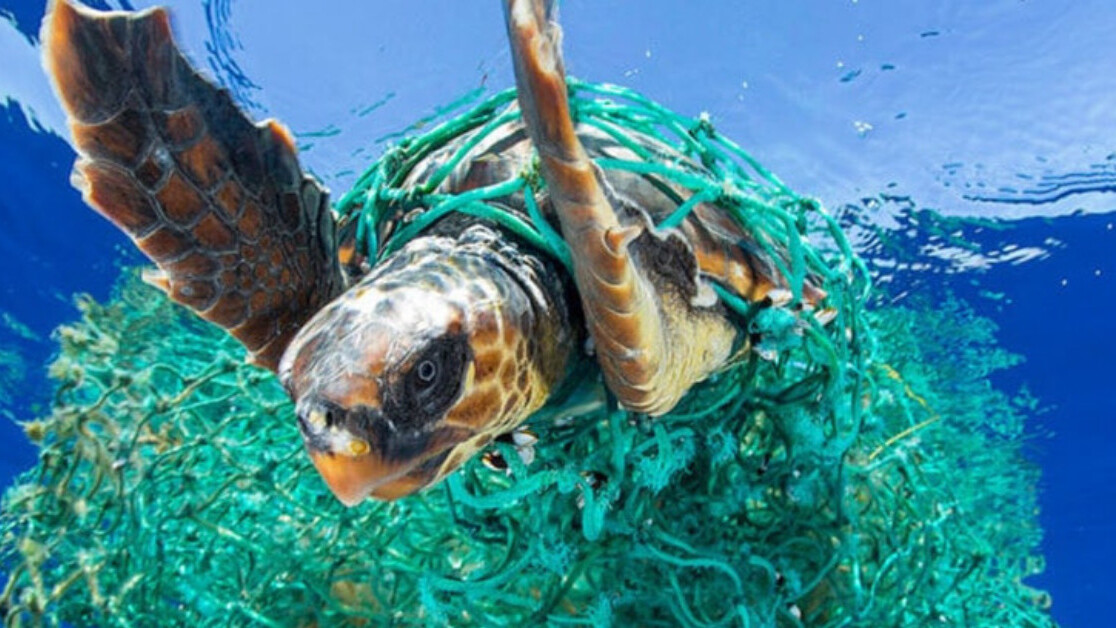
There are an estimatedfive trillion pieces of plasticfloating on and in the worlds oceans.
Ocean Cleanup, the organization that developed the gadget, promises the largest cleanup in history.
But once that plastic is collected the options are not good.
Thats where anenvironmental ethicist like mestarts thinking about where this plastic will end up next.

It’s free, every week, in your inbox.
Recycling plastic is only possible if it can be meticulously separated into its various chemical types.
Sorting wont be easy with the plastic in the ocean.
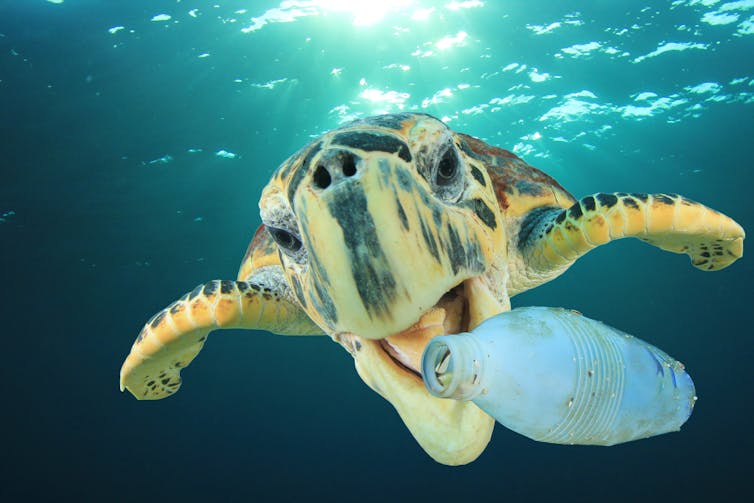
Much of it is now in tiny pieces calledmicroplastics, suspended just below the surface.
Recycling or downcycling?
The act of recyclinginvolves grinding up materials into very small pieces before melting and reforming them.

After one or two rounds of recycling, thepossibilities for reuse become very limited.
The plastic becomes garbage.
Sea turtles have not yet evolved to eat plastic but some bacteria have.
The bacteria turns PET plastic into more basic substances that can beremade into virgin plastics.
One scholar said the engineering work has managed to overtake evolution.
But the idea of going beyond natural evolution is where the ears of an environmental philosopher go on alert.
Evolution isnt always quick.
The findings suggest the possibility of discovering additional enzymes that work with other plastics.
But they also raise the possibility of taking matters into our own hands and designing new enzymes and microbes.
Already, completely artificial proteins coded by synthetically constructed genes are acting like artificial enzymes andcatalyzing reactions in cells.
In other labs, synthetic genomes built entirely out of bottles of chemicals are nowcapable of running bacterial cells.
This coming era of synthetic biology not only promises to change what organisms can do.
It threatens to change what organisms actually are.
Theborder between life and machine will blur.
The plastics polluting the worlds oceans need to be cleaned up.
But people should be very careful about what sort of technological fixes they employ.
