Scientists have developed tiny robotic tentacles that travel into the lungs to detect and treat cancer.
The deviceis just 2.4 mm in diameter and ultra-soft.
After reaching its destination, an embedded laser fibre can deliver localised treatment.
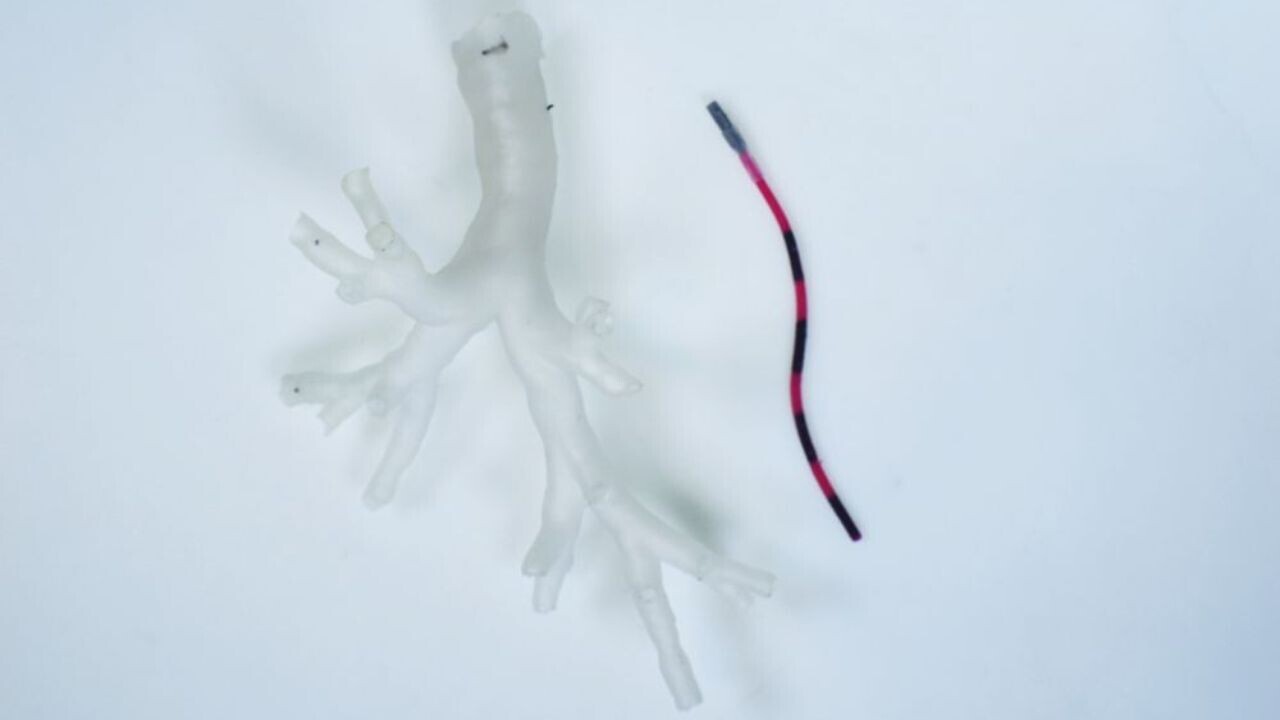
The robot was developed at the University of Leeds STORM lab, which tested the system on a cadaver.
They found that it can travel 37% deeper than standard equipment, while causing less tissue damage.
40% off TNW Conference!
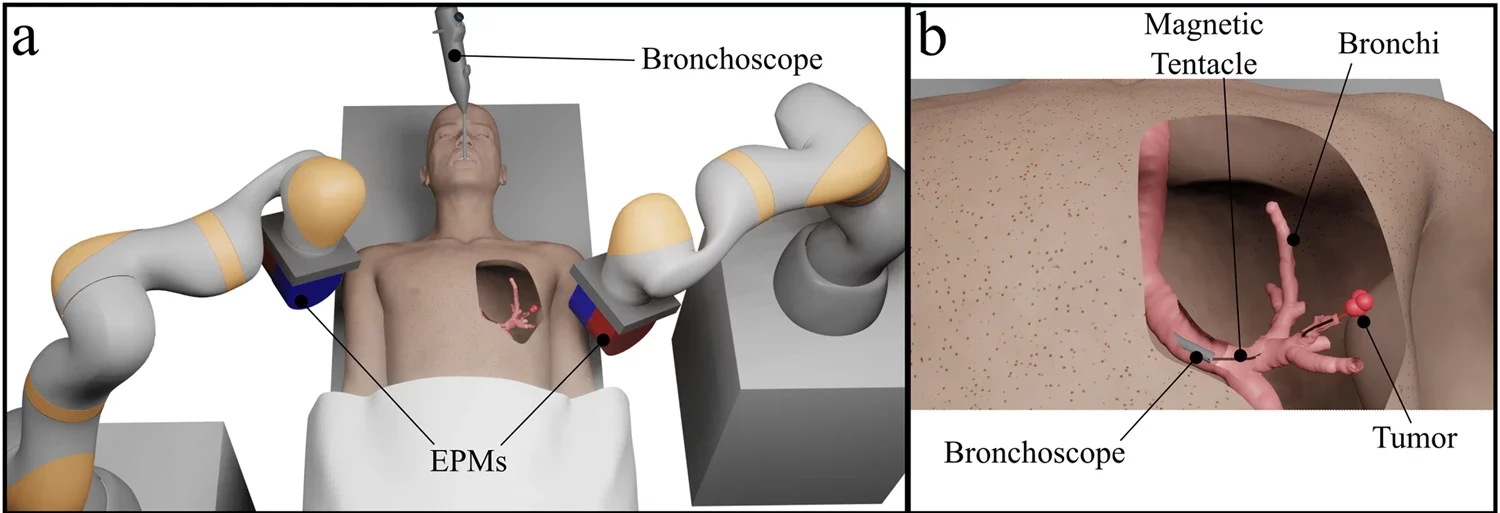
These three main features have the potential to revolutionise navigation inside the body.
In time, the team hopes to transform the treatment of lung cancer.
The disease hasthe highest worldwide cancer mortality rate, causing around 34,800 deathsannuallyin the UK alone.
Currently, treatment is managed through invasive approaches, such as surgery, chemo- or radiotherapy.
The robot could provide aminimally-invasive alternative.
It could also allow treatment to target onlymalicious cells, allowing healthy tissue and organs to continue normal function.
The team will now collect the data needed to start human trials.
you’ve got the option to read their open-access study paper inNature.
Story byThomas Macaulay
Thomas is the managing editor of TNW.
He leads our coverage of European tech and oversees our talented team of writers.
Away from work, he e(show all)Thomas is the managing editor of TNW.
He leads our coverage of European tech and oversees our talented team of writers.
Away from work, he enjoys playing chess (badly) and the guitar (even worse).
