AI is having a big impact on photo editing, but the results areproving divisive.
The proponents say that AI unleashes new artistic ideas and cuts the time creators spent on monotonous work.
Critics, however, argue that the techniques distort reality and propagate an artificial homogeneity.
A new entry to the debate isGFP-GAN.
The system gives low-quality images a high-resolution revamp and the results can be impressive.
It’s free, every week, in your inbox.
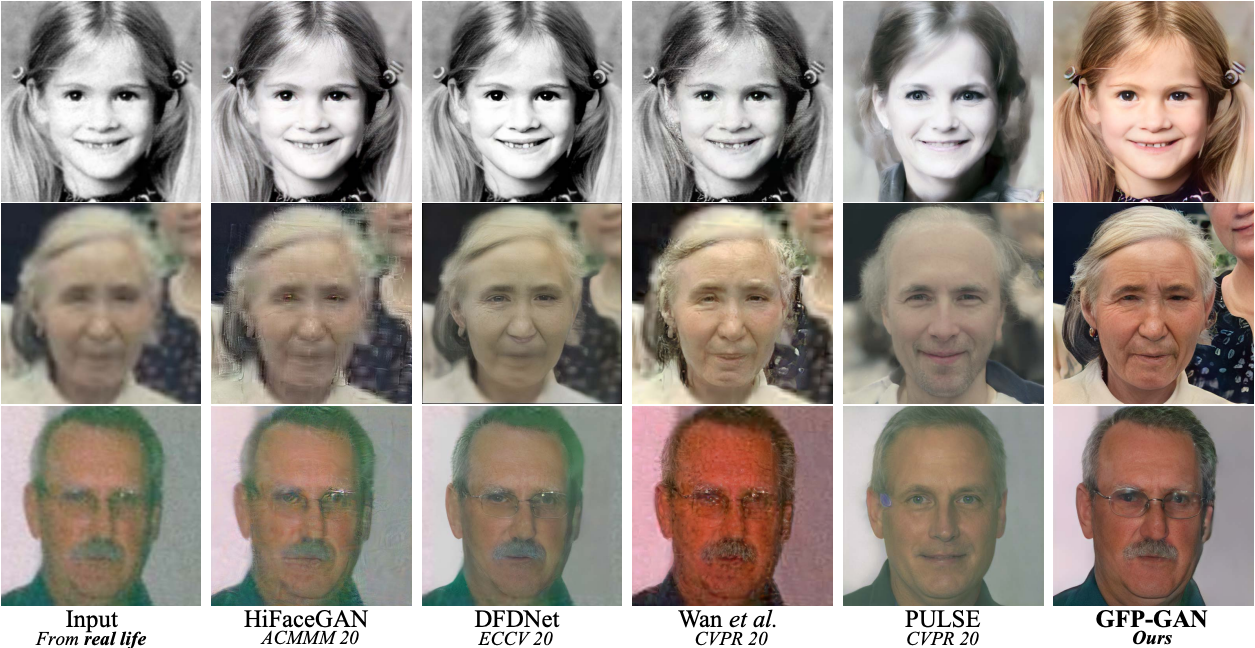
![Comparisons with state-of-the-art face restoration methods: HiFaceGAN [67], DFDNet [44], Wan et al. [61] and PULSE 52
In addition, the powerful generative facial prior allows us to perform restoration and color enhancement jointly.
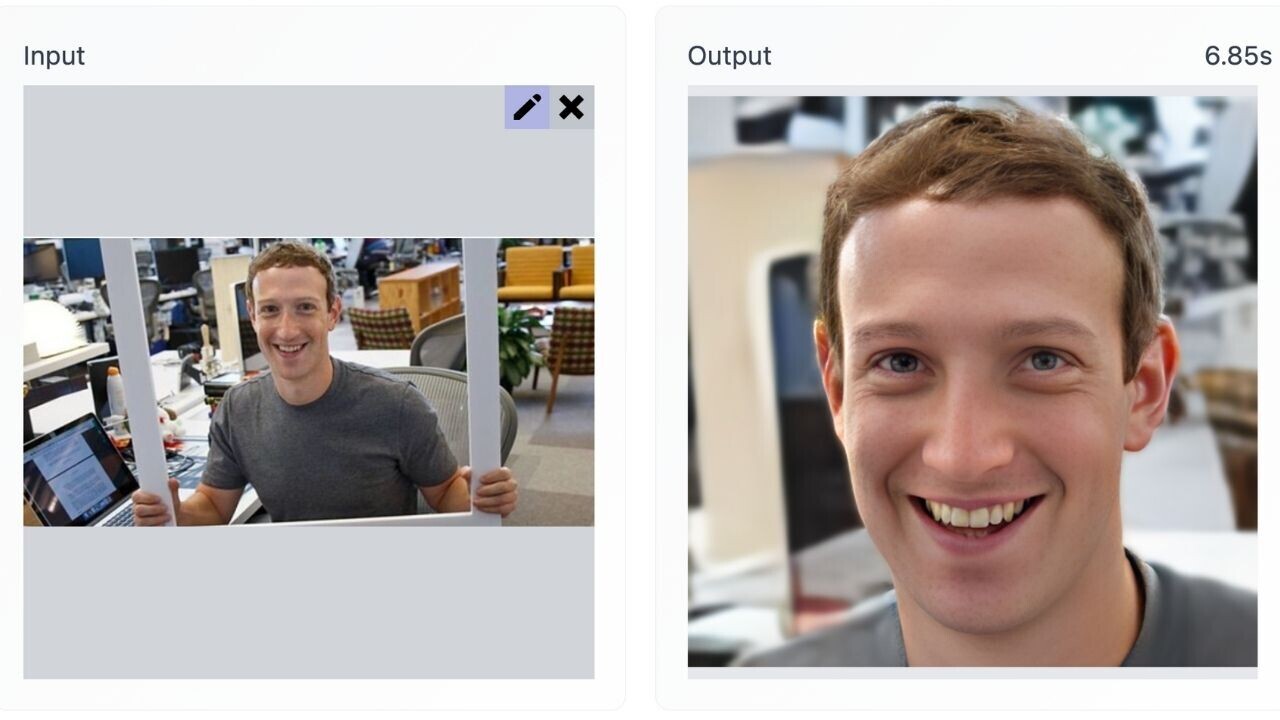
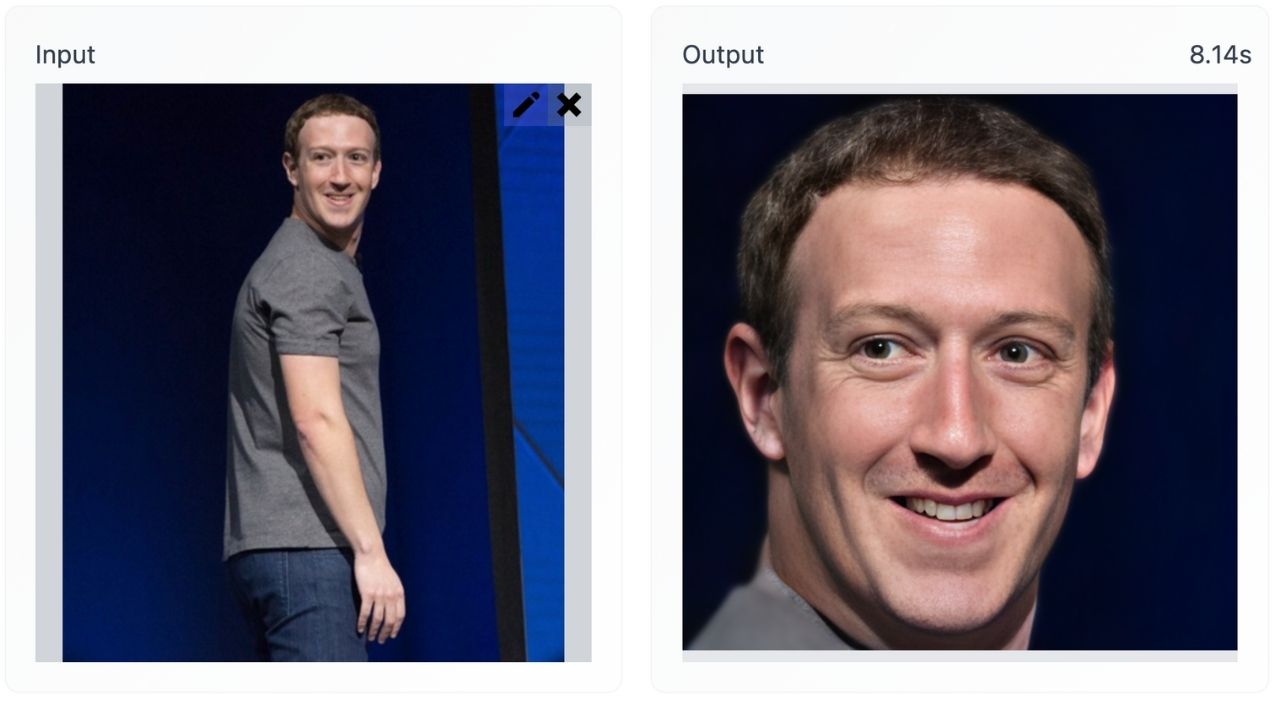
In our brief and highly unscientific trial, GFP-GAN was most adept with images that had only minor blemishes.
Unlikemany AIphoto tools, it also generated a similar accuracy across a diverse range of subjects.

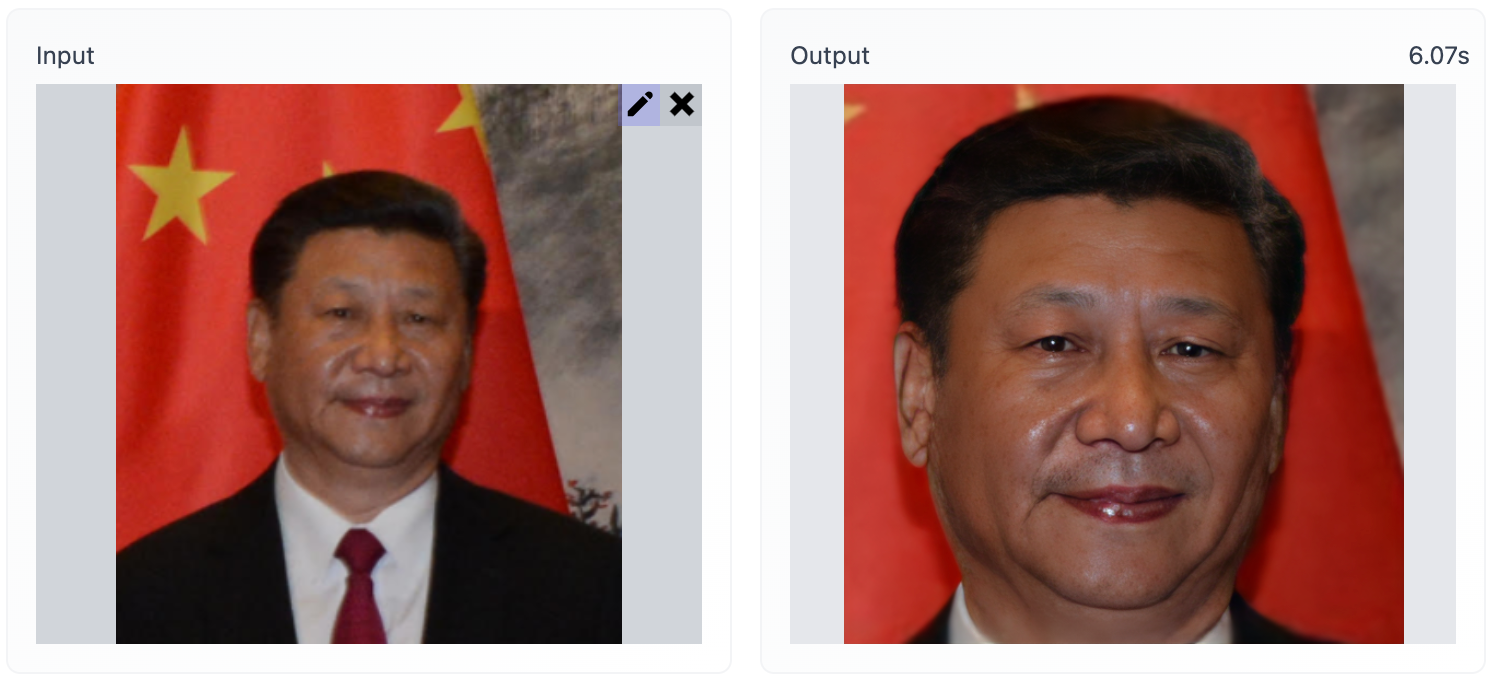
The problem was, this accuracy was highly inconsistent.
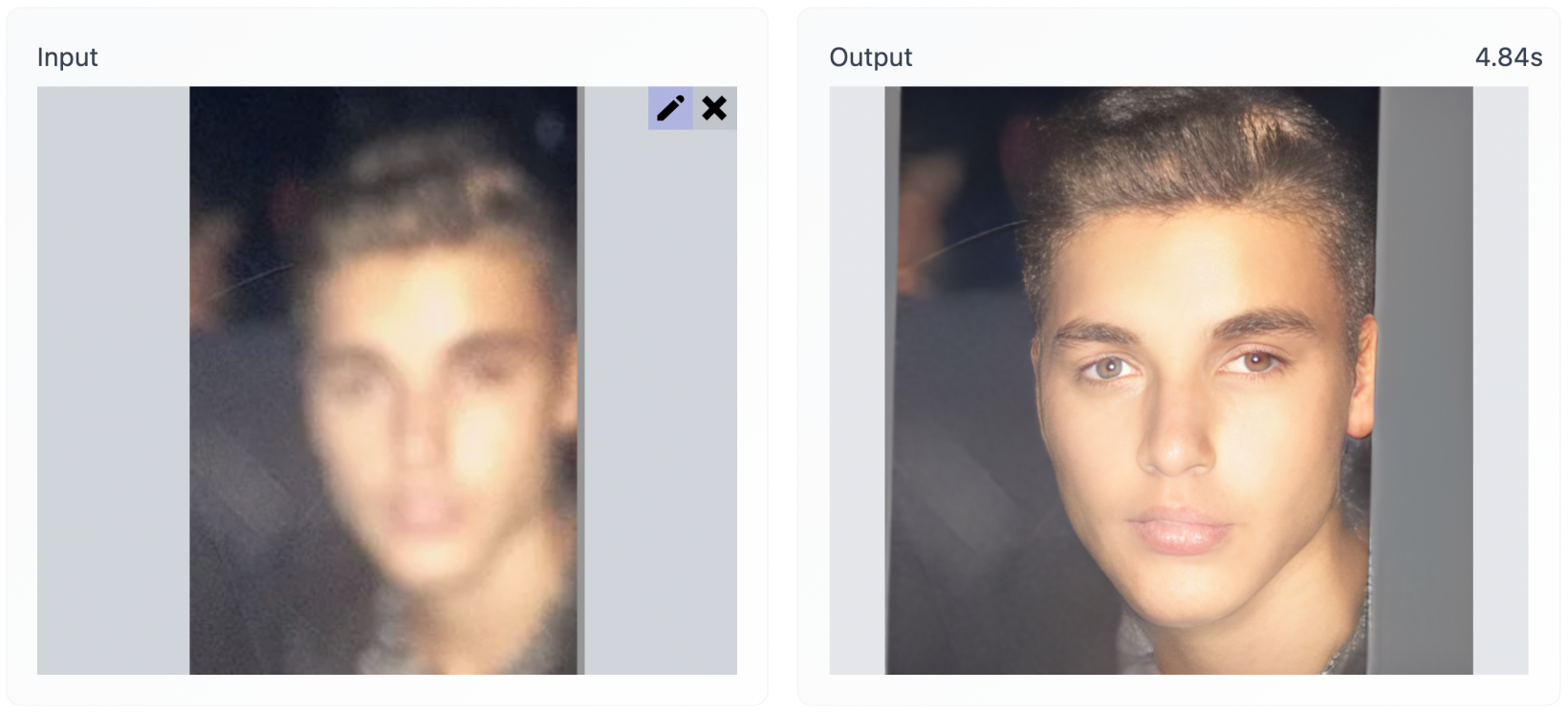
Unsurprisingly, this issue was most pronounced when the tool was used on extremely blurry images.
However, even high-resolution inputs led GFP-GAN down some horrifying uncanny valleys.
Our experiment left me on the fence in the debate over AI photo editing.
I can certainly see the creative potential, but I certainly wouldnt trust it to reflect reality.
Perhaps that isnt such a bad thing.
Asprivacy professionals have warned, cameras equipped with AI image enhancers could be used to track entire populations.
Story byThomas Macaulay
Thomas is the managing editor of TNW.
He leads our coverage of European tech and oversees our talented team of writers.
Away from work, he e(show all)Thomas is the managing editor of TNW.
He leads our coverage of European tech and oversees our talented team of writers.
Away from work, he enjoys playing chess (badly) and the guitar (even worse).