Would you like a warning before the world ends?
What is a supernova?
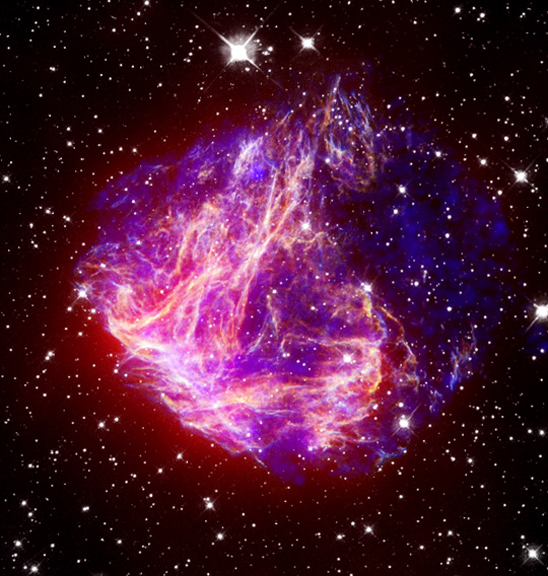
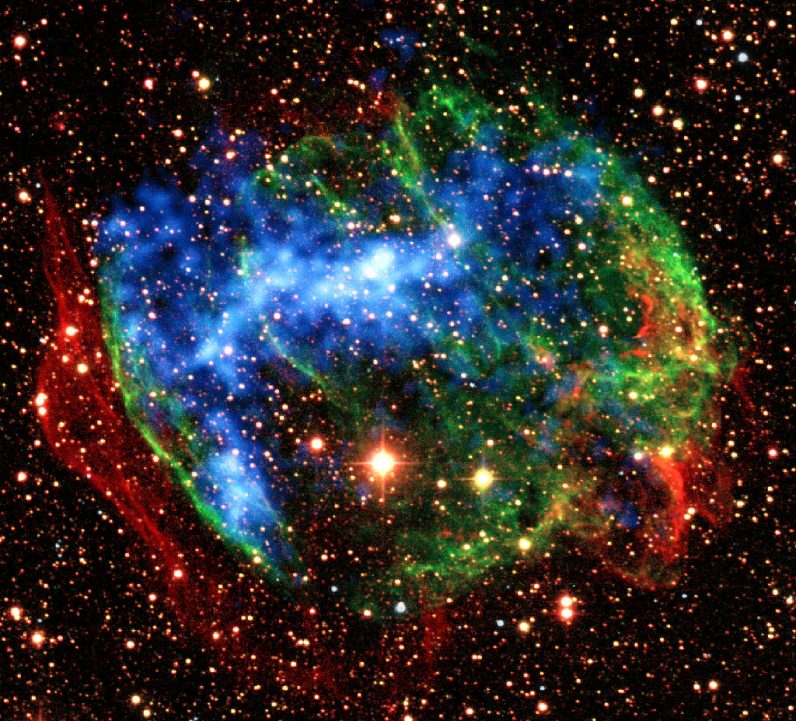
Asupernovarefers to the cataclysmic explosion of a massive star at the end of its life.
Two or three supernovas occur each century in galaxies like the Milky Way.
So, how does Extraluminal detect earth-murdering supernovas?
40% off TNW Conference!
The Extraluminal service detects these neutrinos by linking together a half-dozen neutrinoobservatoriesaround the globe.
This data is regularly analyzed.
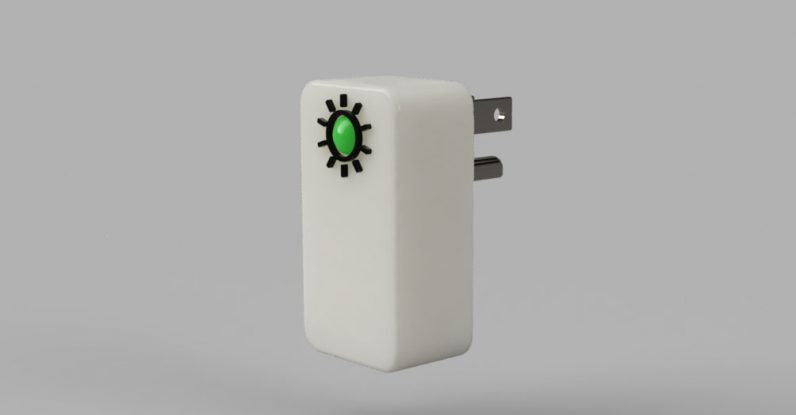
If/when theres a cause for concern, the data is pushed to your Exaluminal machine, triggering an alarm.
Is the Exaluminal the IoT equipment we deserve?
Data comes from reputable sources.
However, Im unclear aboutthe business model.
How many people fear being obliterated by a supernova and are willing to pay upfront for a subscription?
Perhaps its an alternative to a funeral plan?
Do we want alerts of our demise?
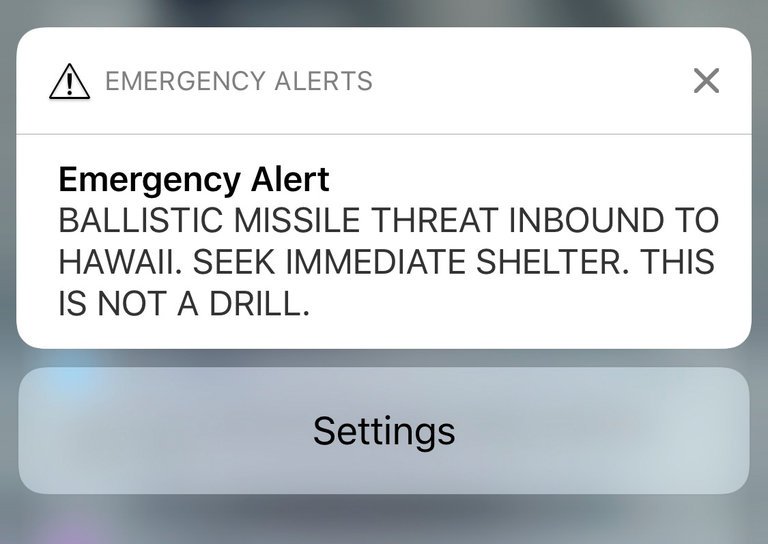
That said, I question the viability of early warning systems after Hawaiis 2018 Emergency Alert debacle.
Local TV and radio networks also received the alert.
Unsurprisingly, the notification was sent in error and only corrected 38 minutes and 13 seconds later.
Thats a pretty big fuck up.
However, IoT can play a vital role in detecting and communicating environmental changes.
For example, German startupDryadhas developed solar-powered gas sensors that work off-grid and are attached to trees.
Machine learning processes the sensor data to look for specific gas patterns.
This makes it possible to detect fires before the open flames start and send an alert to emergency services.
Its a massive advancement from traditional IoT, which uses satellites or cameras in trees to detect smoke.
The problem is that a fire canburn for up to three hours before it is visually detected.
So gas detection is a huge advancement.
So you might want to check it out and raise a glass like its the end of the world.
Story byCate Lawrence
Cate Lawrence is an Australian tech journo living in Berlin.
