TheResearch Briefis a short take about interesting academic work.
For over half a century, neuroscientists have studied sea slugs to understand basic animal learning.
Two fundamental concepts of learning arehabituationandsensitization.
Habituation comes up whenever an organisms response to a repeated stimulus continuously decreases.
When researchers first touch a sea slug, its gills retract.
But the more they touch the slug, theless it retracts its gills.

Sensitization is an organisms extreme reaction to a harmful or unexpected stimulus.
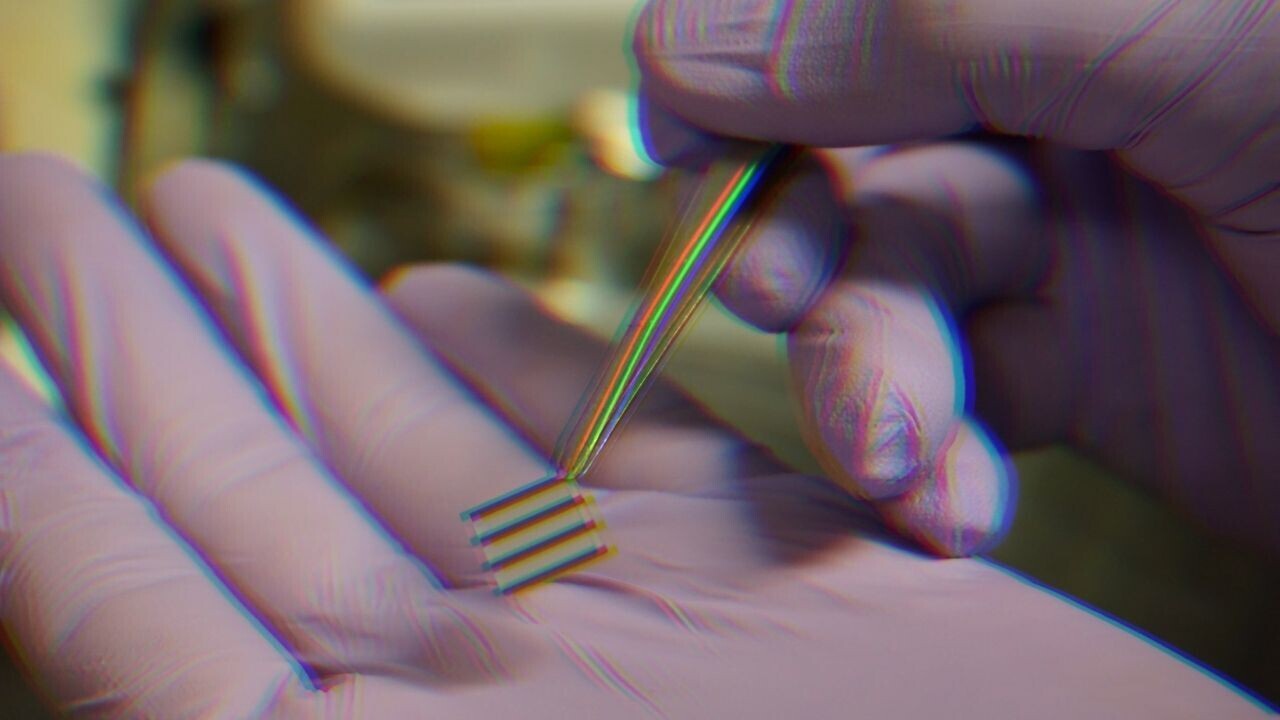
When nickel oxide is alternately bathed in hydrogen gas and air, its behavior changes.
Purdue University/Kayla Wiles
Nickel oxide has features that are strikingly similar to this learning behavior.
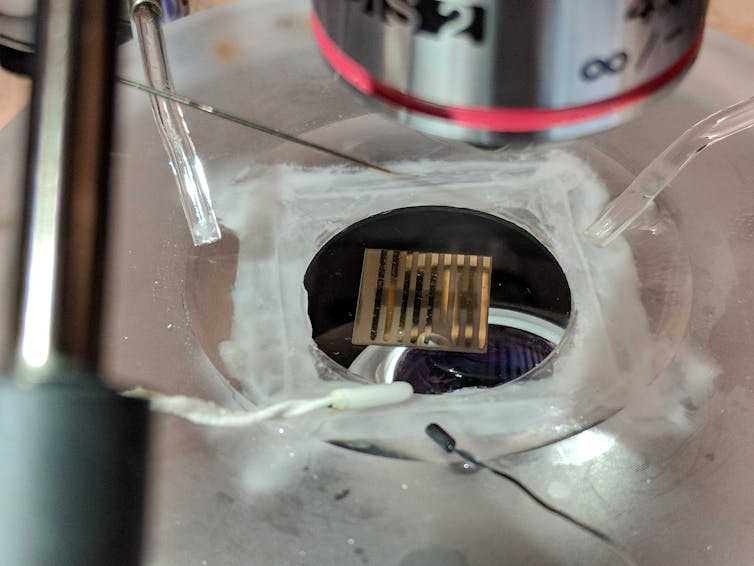
Instead of gills retracting, we measured the change in electrical conductivity of the material.
40% off TNW Conference!
In our experiment, we kept switching between the hydrogen-only and regular air environments.
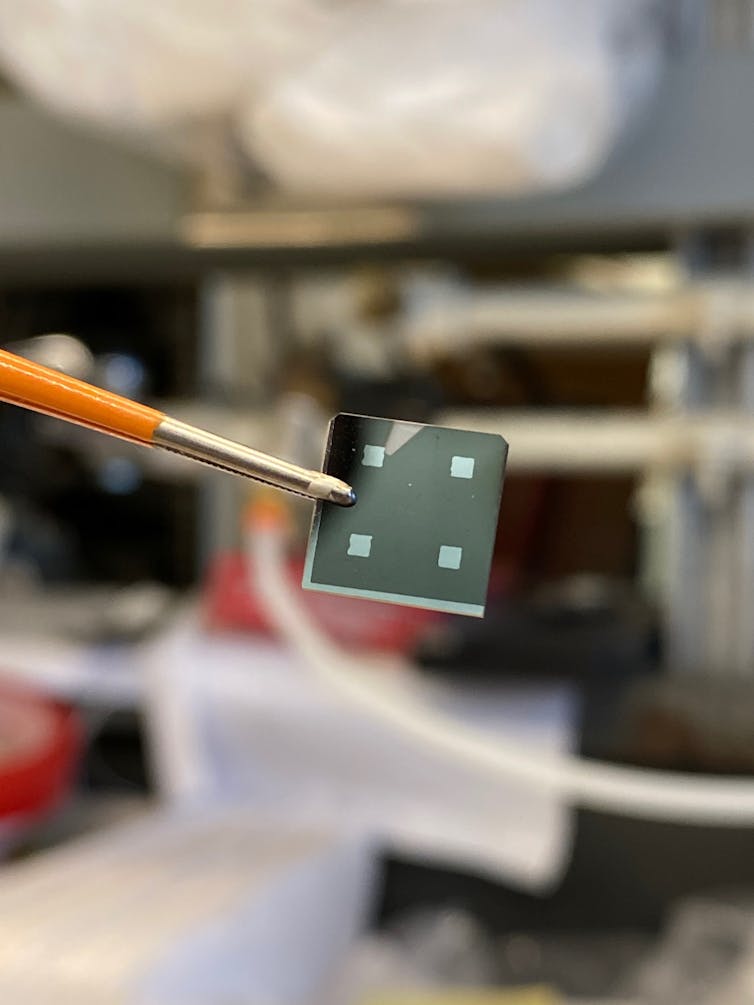
It got habituated to the hydrogen.
The conductivity of nickel oxide stores information similarly to the way slugs learn.
At the center of these two related areas of research lies the field ofbrain-inspired computers.

How quickly does something need to learn or forget to be useful?
