Unfortunately for us, it was cloudy in Woomera that day and we didnt see the spacecraft come in.
But that was the only imperfection we saw in the return.
We found and retrieved Hayabusa2, brought it back to Woomera, cleaned and examined it.
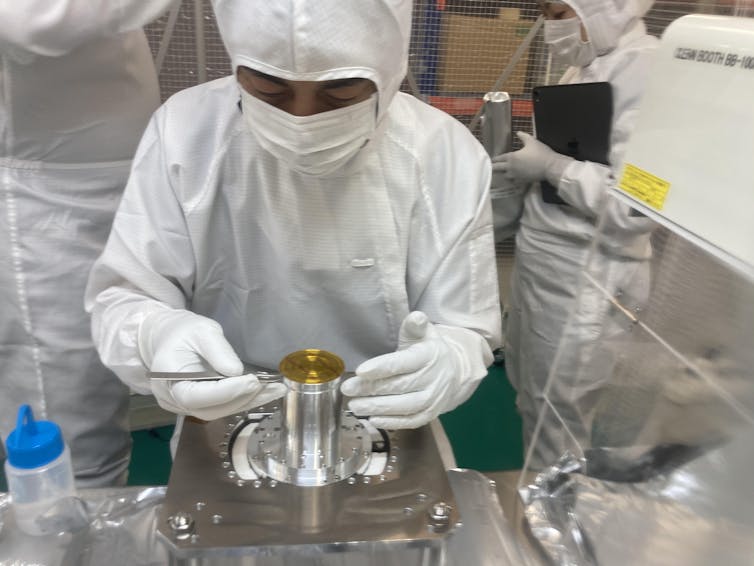
The sample capsule was removed from the spacecraft.
A year down the track, we know a lot more about that sample.
It’s free, every week, in your inbox.
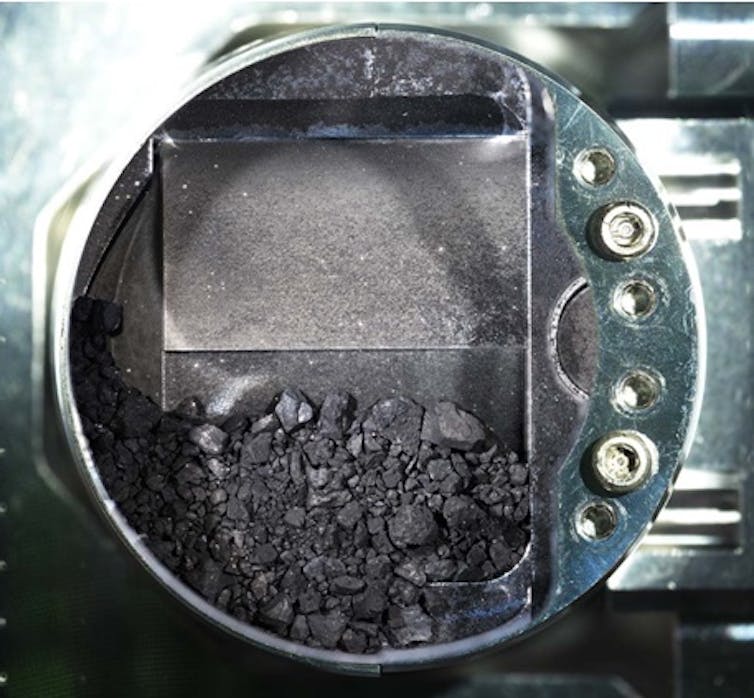
The first sample came from Ryugus exposed surface.
The touchdown sampling was recorded by video cameras on board Hayabusa2.
They have the constitution of clay, and they behave like it.

The Ryugu samples are also very dark in color.
In fact, they are darker than any meteorite sample ever recovered.
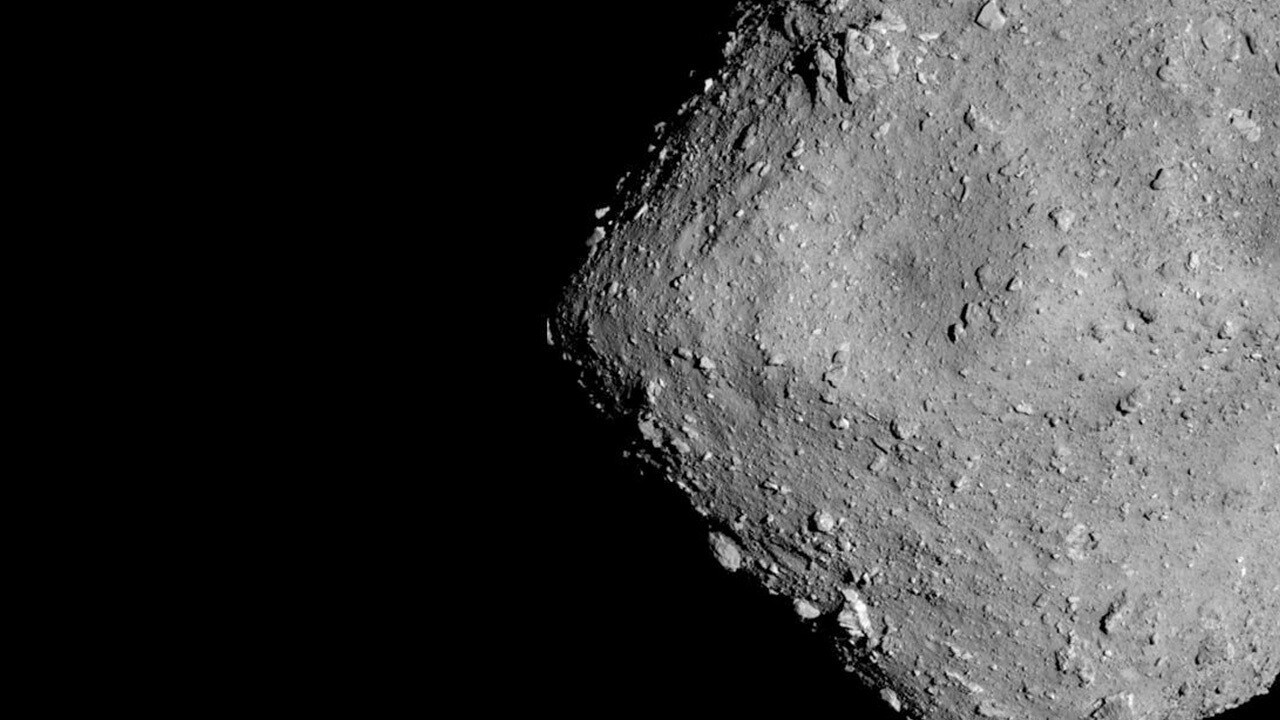
The in situ observations at Ryugu indicated this as well.
Most of the asteroids we see orbiting the Sun are the dark-colored C-types.
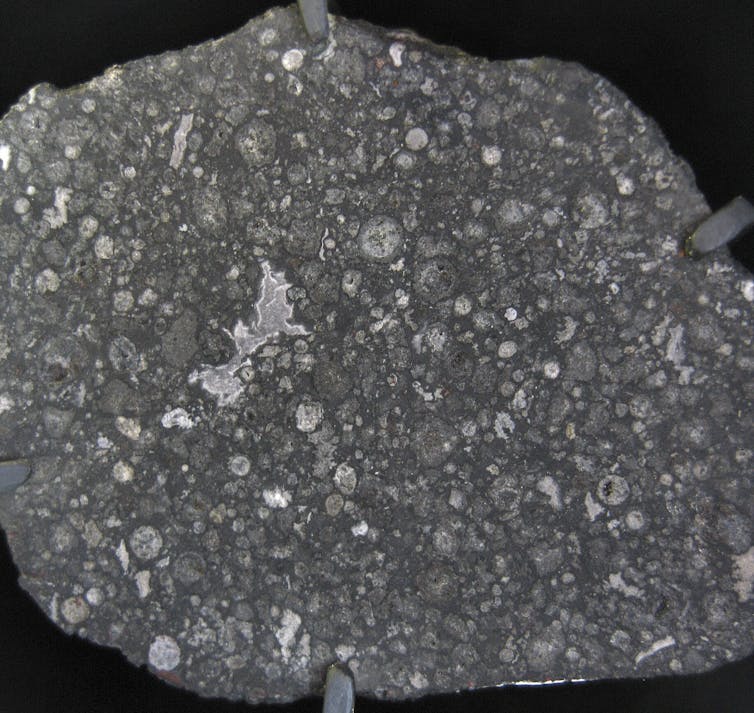
Based on their spectrum, C-types seem very similar in makeup to a kind of meteorite called carbonaceous chondrites.
However, while around 75% of asteroids are C-types, only 5% of meteorites are carbonaceous chondrites.
The observations and samples from Ryugu have solved this mystery.
The dawn of the Solar System
But the Ryugu samples are even more intriguing than that.
The CI meteorites are dark, uniform, and fine-grained.

These objects are rarer than samples of Mars in our collections.
It is likely the rarity of these CI meteorites on Earth is indeed related to their fragility.
