A large and very bright fireball was seen over southern England and northern France at 21:54 GMT.
It was recorded by many doorbell webcams, so it was a verywell-observed fireball.
More importantly, it was also captured by the automated cameras of theUK Meteor Observation Networkand similar networks.
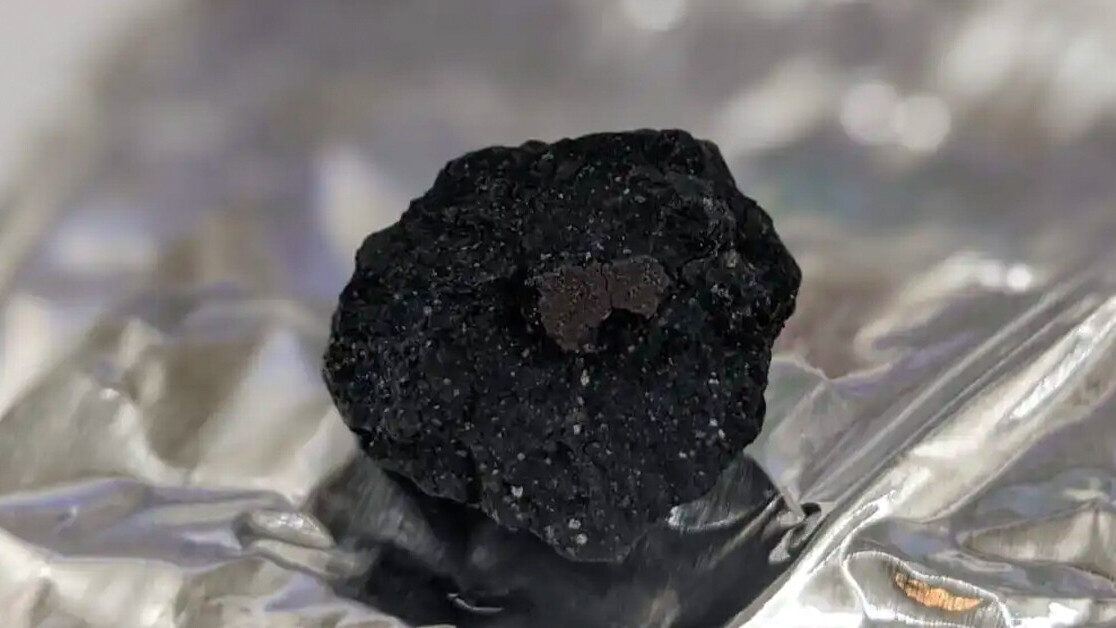
King asked Open University researcherRichard Greenwood(who lived closest) to check out the sample.
The UK had got lucky we had anew member to add to our meteorite collection.
The results of their labors are several stones weighing around 500g, plus a lot of dust and fragments.
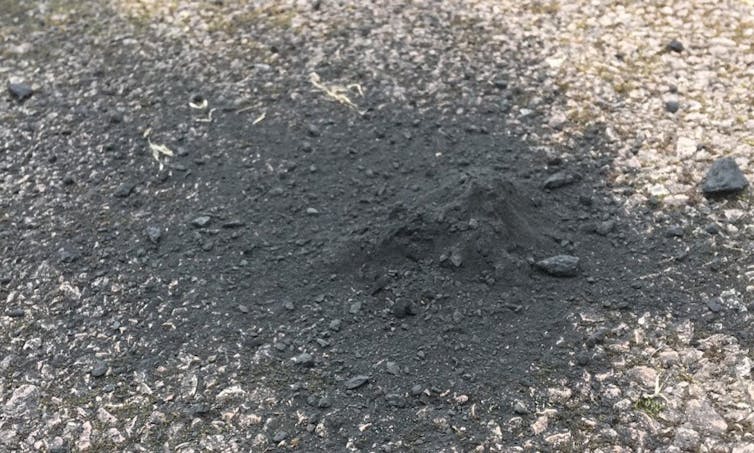
The specimens are now at the Natural History Museum.
[Read:How do you build a pet-friendly gadget?
We asked experts and animal owners]
40% off TNW Conference!
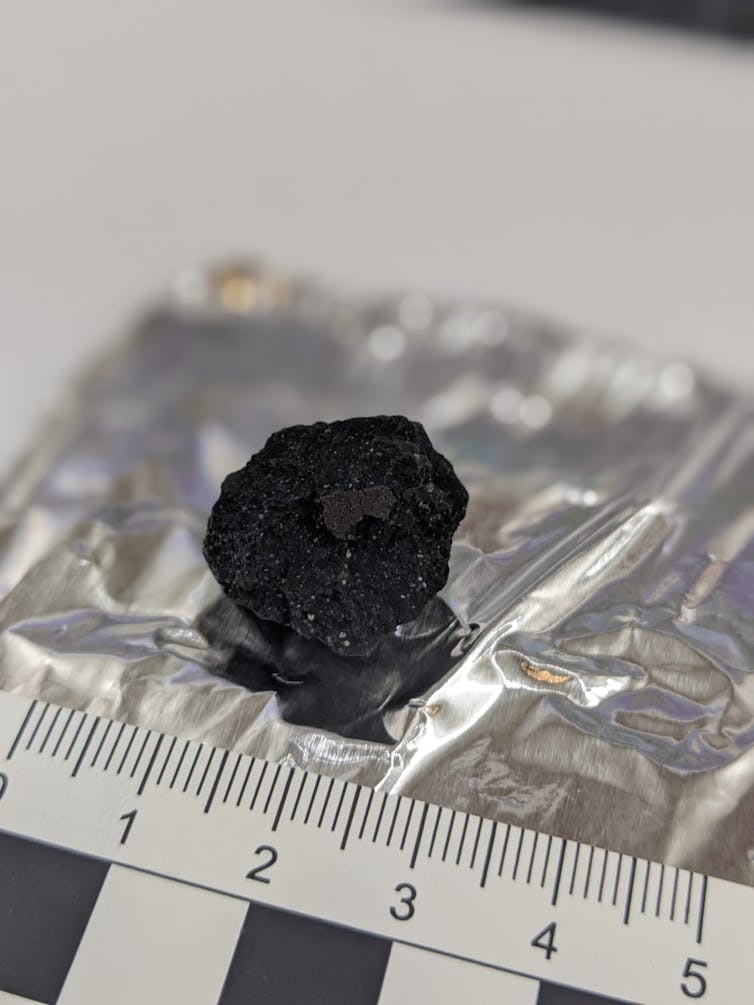
Meteorites aredivided into two main groups: primitive and processed.
In contrast, processed samples have been altered by heat.
They are from larger bodies and contain information about planetary surfaces and interiors.
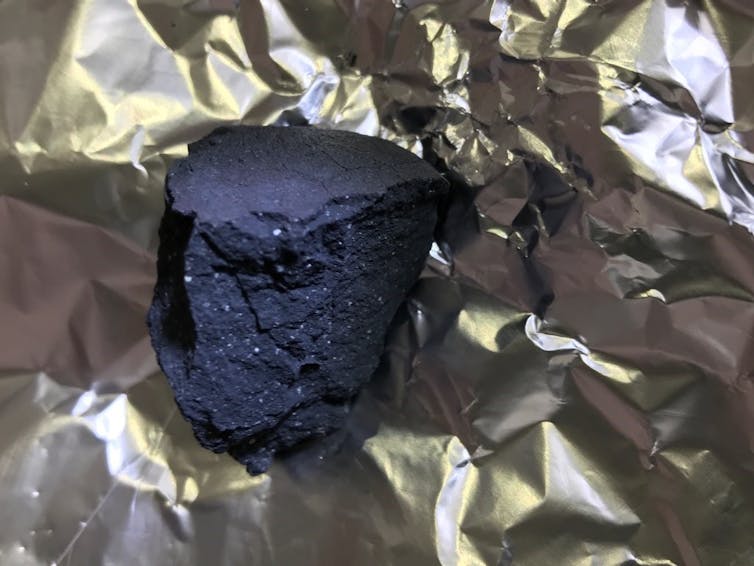
They are rich in organic compounds: the molecules that form the building blocks of life.
They also contain tiny specs of dust from stars that have died and are older than the Sun.
Next steps
Meteoriticists in the UK will now analyze the material, practically on a grain-by-grain basis.

So the quicker we can analyze its organics, the better.
But in the time of a pandemic, everything changes.
The UK government currently forbids citizens from traveling far from home, unless the travel is essential.
Was it essential for a group of meteoriticists to travel to Winchcombe?
Yes, it was.
Each had completed fieldwork risk assessments and received permission to travel from their institutions.
They were scrupulous about wearing masks and keeping a 2m distance when talking to locals.
My arthritic knees would not have coped with that.
It may look a bit like a broken barbecue briquette, but to me, it is absolutely beautiful.
