Like many of us, Alisha Fredriksson is terrified about climate change.
Butunlikemany of us, shes rolling up her sleeves and doing something about it.
Two years ago the young entrepreneur co-founded Seabound a London-basedstartupon a mission to decarbonise the shipping industry.
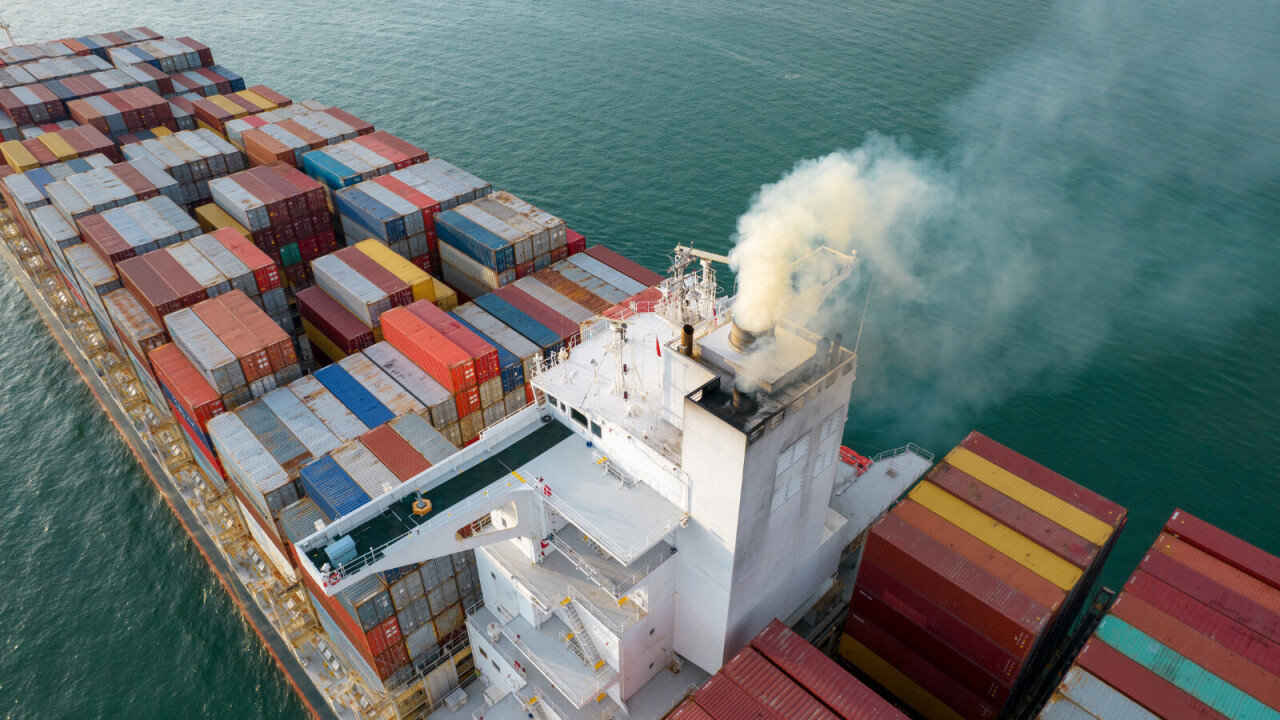
The sectoremits 3%of global carbon dioxide more than air travel so urgent solutions are needed.
The pilot was funded by a1.2mn grant under the UK governments60mnClean Maritime Demonstration Competition.
40% off TNW Conference!

How does it work?
Seabounds carbon capture equipment traps the exhaust gas produced by a cargo ships huge diesel engines.
The CO2 in the exhaust gas reacts with the pebbles and transforms into calcium carbonate also called limestone.
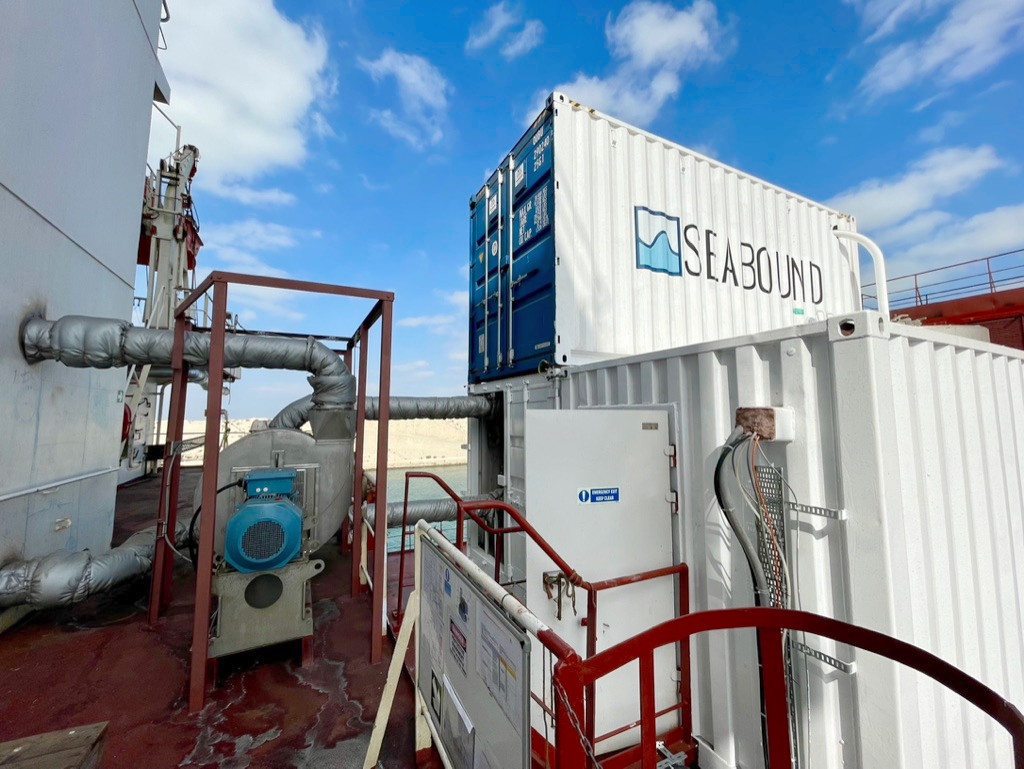
This limestone is then stored aboard the ship to be unloaded at dock.
This carbon dioxide can be buried underground or sold to companies to produce electrofuels.
The problem is that zero-carbon technologies that can be applied at scale to cargo ships do not yet exist.

The best bet arealternative, zero-emissions fuels, such as hydrogen and ammonia.
Frediksson believes urgent action is needed to meet such targets.
Chartering a greener course
Theres definitely merit to the startups plans, but challenges remain.
While still in the nascent stages of development, Frediksson and her team have high hopes.
Story bySion Geschwindt
Sion is a freelance science and technology reporter, specialising in climate and energy.
