Did you knowSHIFT is taking the stage this fall?
What better way to celebrate this day than with a dive to the past!
And let me also show you the amazing original footage:
40% off TNW Conference!
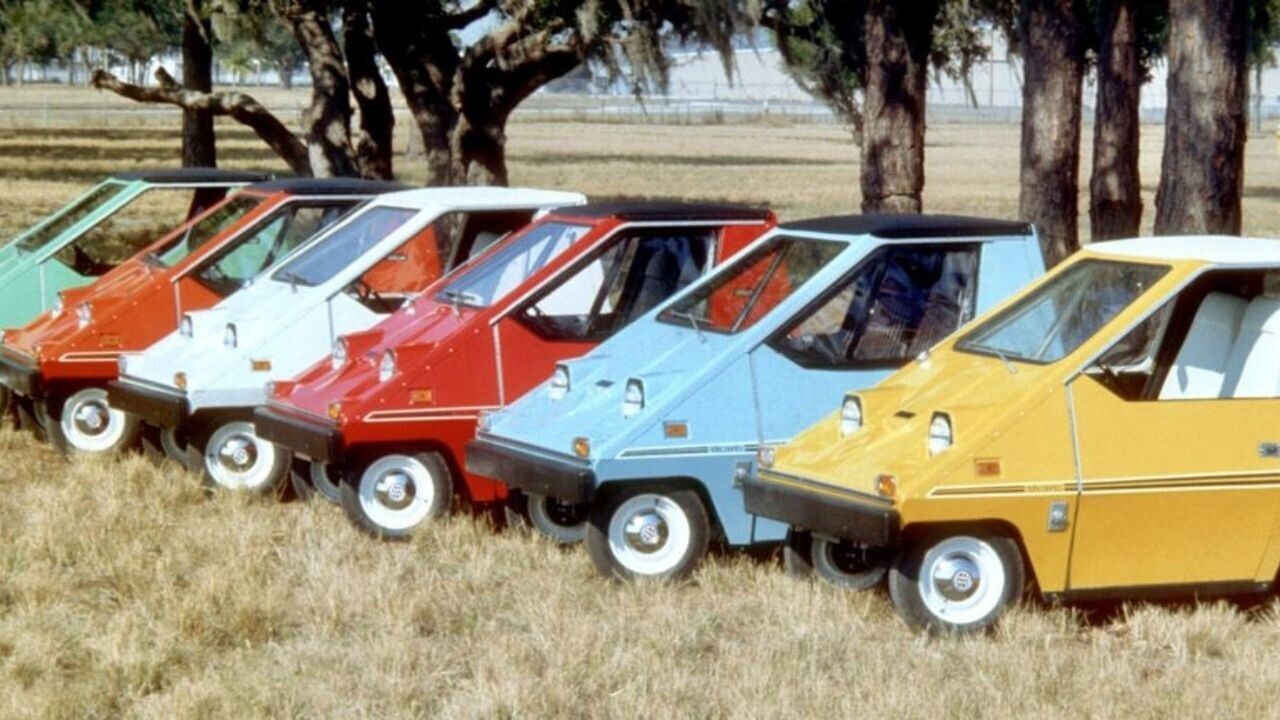
Its so vintage and futuristic at the same time.
And now that I think about it, the CitiCar was pretty top-notch for the 1970s.
So, he sold his dealership and committed himself to creating an electric vehicle with popular appeal.
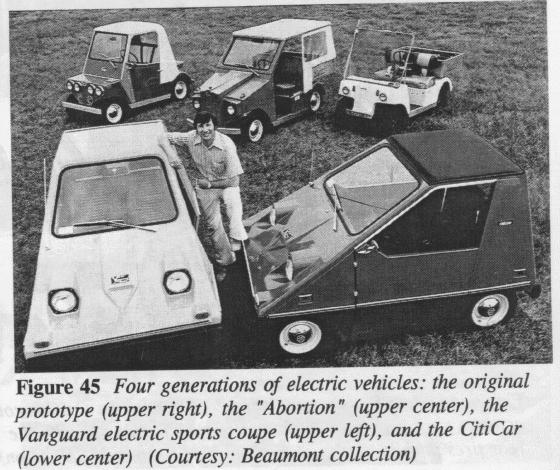
Inspired byClub Cars golf cart, the CitiCar was a micro vehicle intended to be a small people mover.
Or a mini urban commuter as we would call it today.
Throughout its short life, it served as a two-seater, two-door vehicle.
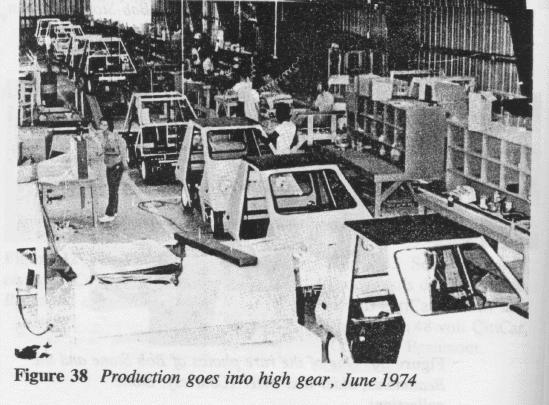
The SV/36
The SV/36made its debut at the 1974 Electric Vehicle Symposium, held in Washington, D.C.
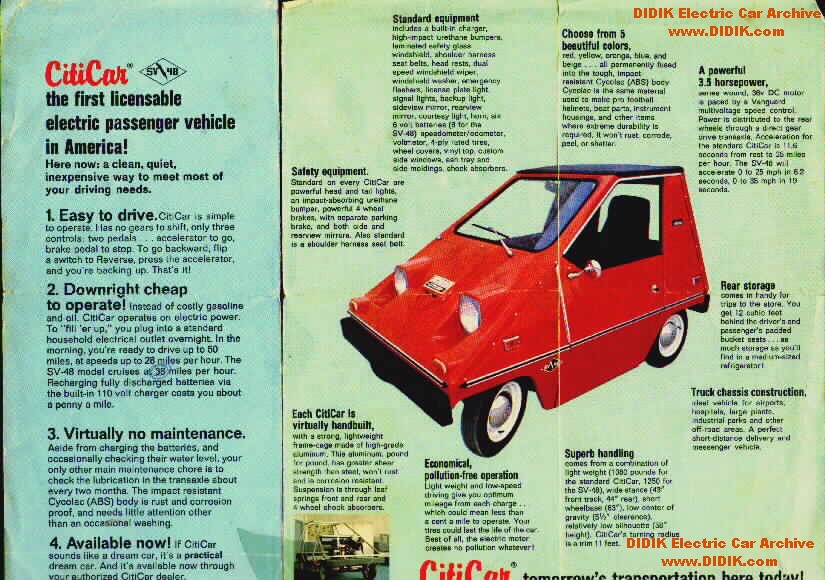
It featured a six-pack of 36V batteries and a 1.9kWh motor, reaching a range of around 56km.
It also came with 2.5 horsepower and claimed a top speed of about 45km/h.
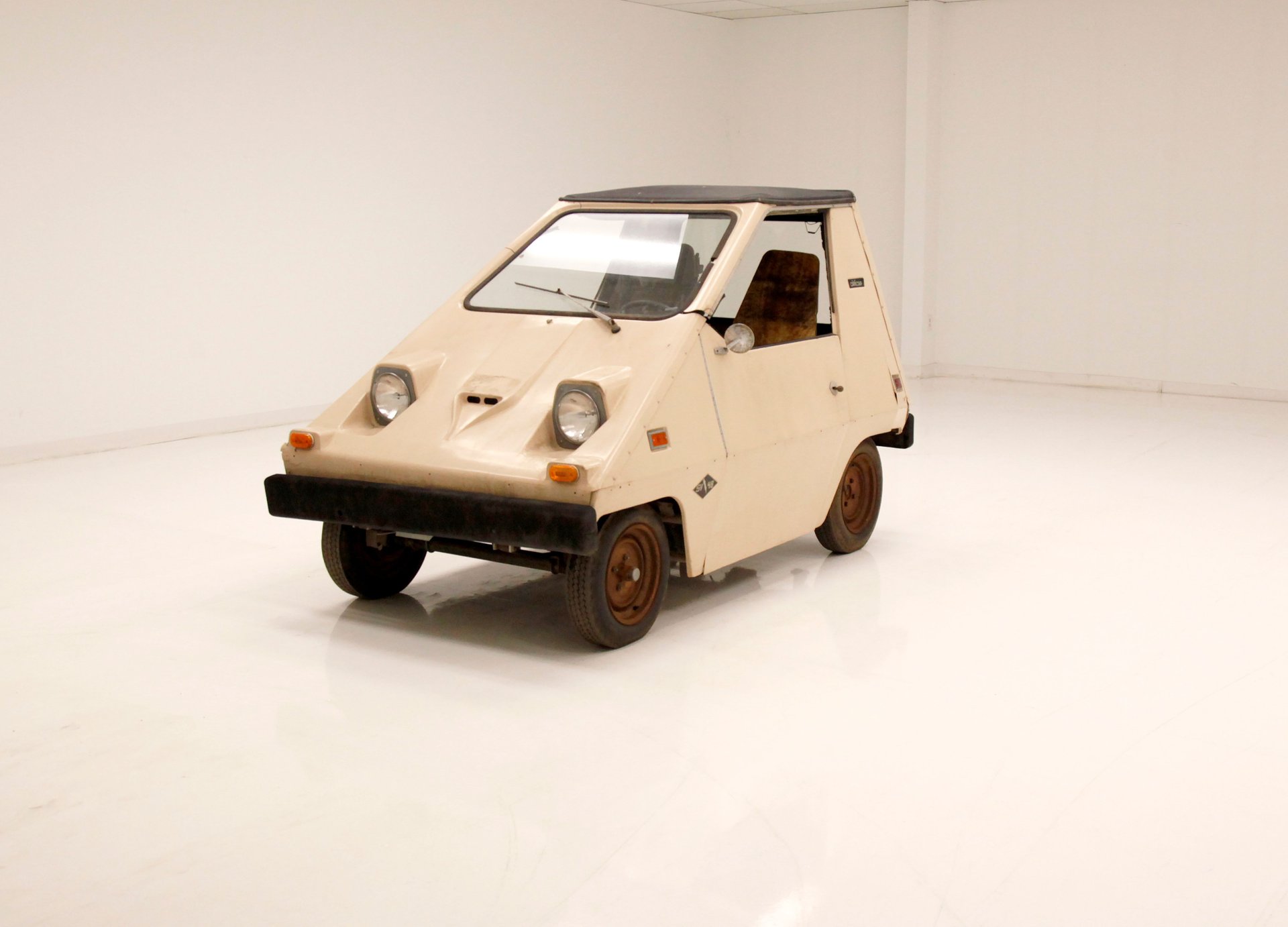
The SV/48 had an eight-pack of 6V batteries and a stronger 2.6kWh motor.
Through 1975, Beaumont built the SV/48 as a roadster.
The most significant changewas theimproved drivetrain with a 6 hp, 4.5 kWh motor.
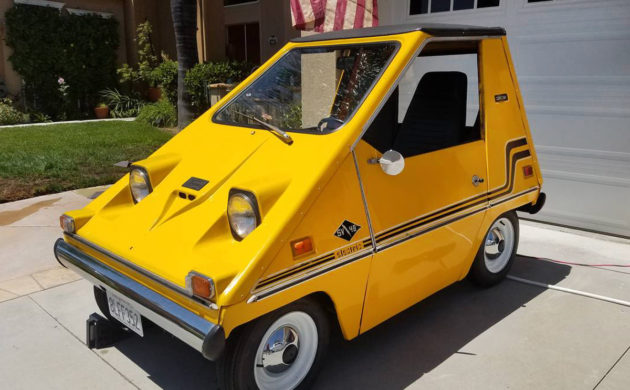
Also, the motor was moved to the front of the axle.
Frank Flowers of Commuter Vehicles Inc. purchased most of the production line and parts of the Sebring-Vanguard company.
They redesigned the vehicle and named it the ComutaCar.
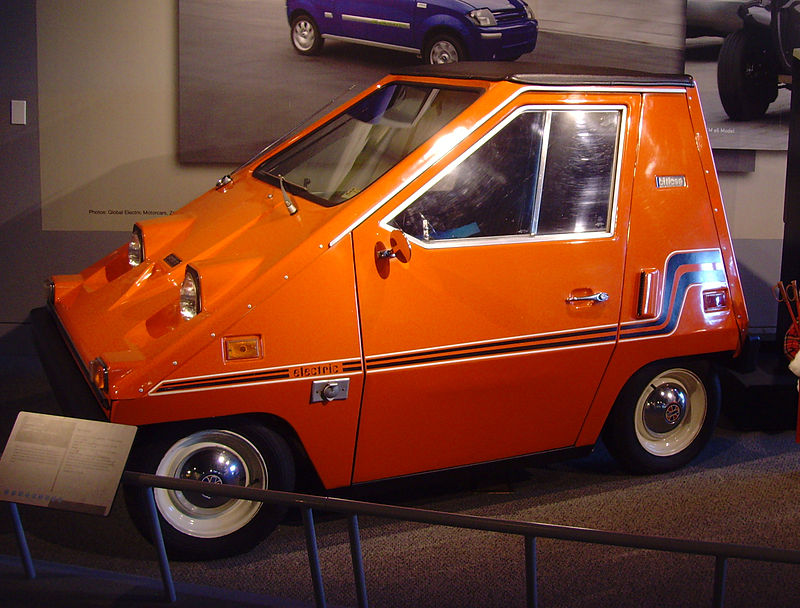
The improved vehicle was produced from 1979 to 1982.
So whats the moral of the CitiCars story?
Conclusion number one:EVs have been relevant for a long time now.
And that can only show a very promising future ahead.
Conclusion number two:Both the CitiCar and theEV growth explosion that occurs todayhave been prompted by serious crises.
In the first case, the 1973 fuel crisis and in the second, the global climate crisis.

HT The Atlantic,Classic Car History,Didik
Do EVs excite your electrons?
Do ebikes get your wheels spinning?
Do self-driving cars get you all charged up?
Story byIoanna Lykiardopoulou
Ioanna is a writer at TNW.
With a background in the humanities, she has a soft spot for social impact-enabling technologies.
