Around 50 councilshave expressed interestin hosting the schemes, with Middlesborough named as a potential site for early adoption.
The scooters will be limited to traveling at 15.5mph and banned on pavements.
Riders will need to be aged 16 or over and have a full or provisional driving license.
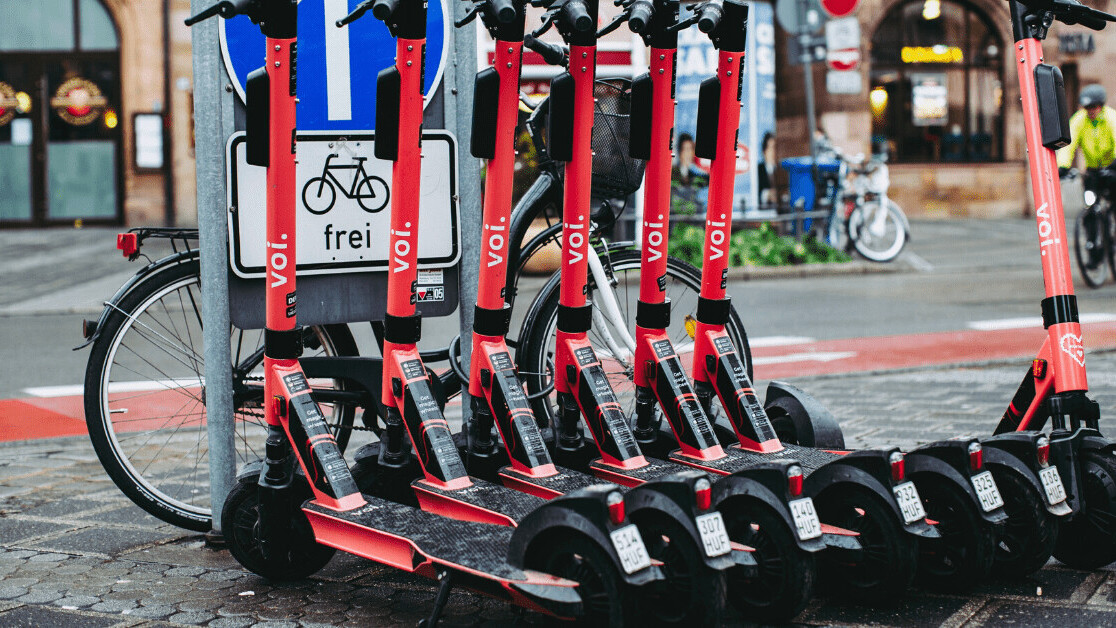
New ways of traveling
Travel has changed dramatically since the outbreak of COVID-19.
40% off TNW Conference!
At their highest, cycling levels were300% above normal.
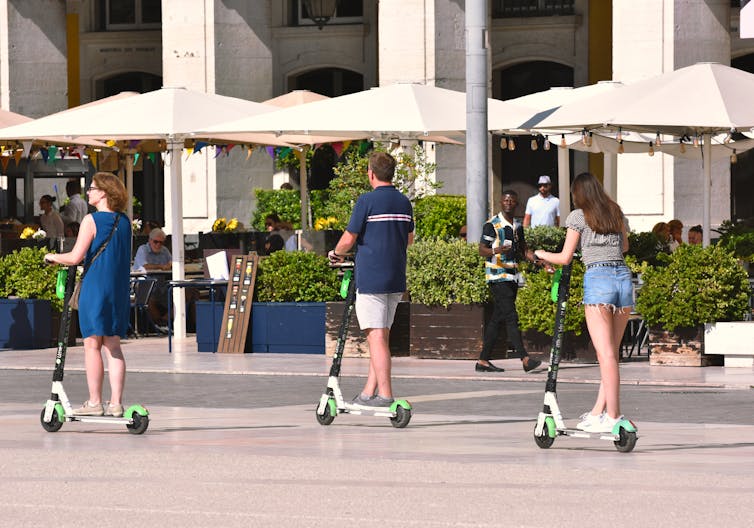
They provide a mode of travel that can complement and be combined with walking, cycling and public transport.
Riding e-scooters in Lisbon.
Paris saw an influx ofe-scooter share schemesin 2018.
Their key attraction has been their accessibility and low environmental impact in comparison to some other modes of travel.
But safe and dedicated infrastructure is needed to maximize adoption of the schemes.
There are also other challenges to consider.

E-scooters are often hailed as a sustainable mobility solution in cities but they do have certain environmental impacts.
Bike share schemes have alsobeen accusedof generating large amounts of waste from damaged or discarded bikes.
As a result, e-scooter companies need to work closely with local authorities and planners to minimize these impacts.
Safety first
Multiple accidents andeven deathshave led to concerns over e-scooter safety.
These include speed limits, a minimum rider age, and banning e-scooters on pavements.
The UK government will beenforcing such rulesfrom day one.
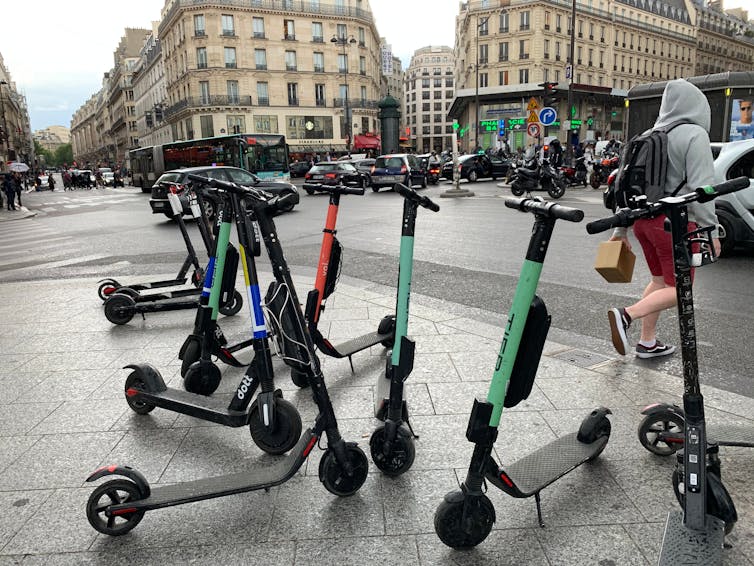
Dockless e-scooters in Paris.
For example, people from minority ethnic groupsare less likely to hold a license.
Most e-scooter share schemes use a dockless system.
But has led to the problem ofscooters littering pavements.
The result is access issues for wheelchair users and the visually impaired in particular.
Disability awareness campaigners arealready raising concernsabout the impact of dockless scooters in UK cities.
This new legislation may soon lead to the legalization of private e-scooter riding.
