Fusion reactors superheat hydrogen atoms to extremely high temperatures, forming a charged gas called plasma.
It’s free, every week, in your inbox.
Giant magnets suspend this plasma in mid-air keeping it away from direct contact with the metal walls.
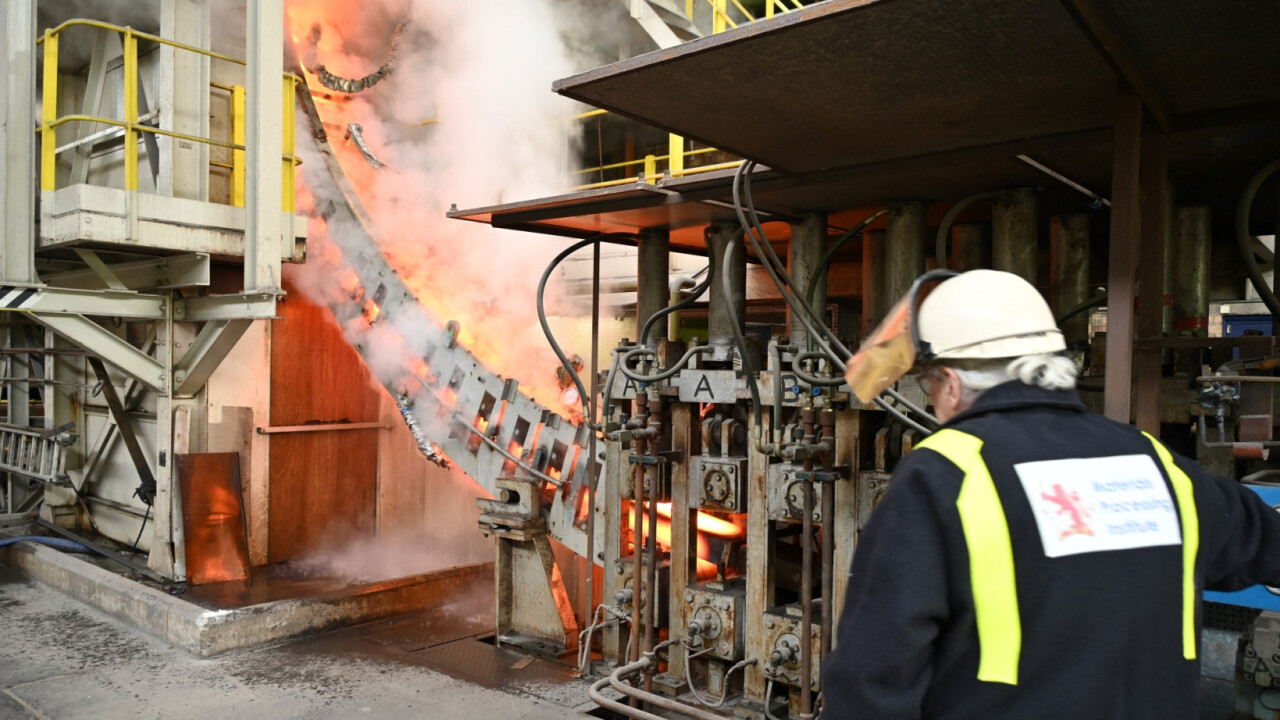
The walls are also cooled to stop them from overheating.
Nevertheless, no ordinary steel is up to the task.
The biggest problem isnt the heat, its neutron damage, said Ramsey.

Neutron radiation can quickly degrade the inner walls of a nuclear reactor.
Despite huge progress, fusion energy has always seemed to be that 20-years-away technology.
But the tides might be changing.

Story bySion Geschwindt
Sion is a freelance science and technology reporter, specialising in climate and energy.

