Militaries around the world areinvesting heavilyin autonomous weapons research and development.
The U.S. alonebudgeted US$18 billionfor autonomous weapons between 2016 and 2020.
Meanwhile, human rights andhumanitarian organizationsare racing to establish regulations and prohibitions on such weapons development.
It’s free, every week, in your inbox.
Lethal errors and black boxes
I see four primary dangers with autonomous weapons.
The first is the problem of misidentification.

Between civilians fleeing a conflict site and insurgents making a tactical retreat?
The problem here is not that machines will make such errors and humans wont.
drone strike in Afghanistanseem like mere rounding errors by comparison.
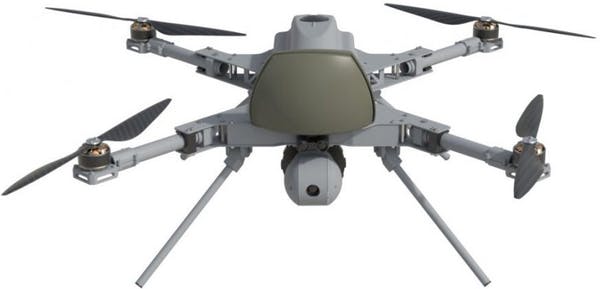
Autonomous weapons expert Paul Scharre uses the metaphor ofthe runaway gunto explain the difference.
A runaway gun is a defective machine gun that continues to fire after a trigger is released.
Autonomous weapons, by definition, have no such safeguard.
Importantly, weaponized AI need not even be defective to produce the runaway gun effect.
The problem is not just that when AI systems err, they err in bulk.
Theblack box problemof AI makes it almost impossible to imagine a morally responsible development of autonomous weapons systems.
The proliferation problems
The next two dangers are the problems of low-end and high-end proliferation.
Lets start with the low end.
But if the history of weapons technology has taught the world anything, its this: Weapons spread.
High-end proliferation is just as bad, however.
The moral dangers of escalating weapon lethality would be amplified by escalating weapon use.
Multiply that by every country currently aiming for high-end autonomous weapons.
But how can autonomous weapons be held accountable?
Who is to blame for a robot that commits war crimes?
Who would be put on trial?
The corporation that made the weapon?
Nongovernmental organizations and experts in international law worry that autonomous weapons will lead to a seriousaccountability gap.
The structure of the laws of war, along with their deterrent value, will be significantly weakened.
In my view, the world should not repeat the catastrophic mistakes of the nuclear arms race.
It should not sleepwalk into dystopia.
This article byJames Dawes, Professor of English,Macalester Collegeis republished fromThe Conversationunder a Creative Commons license.
