Mental health in our cities is an increasingly urgent issue.
Rates of disorders such asanxiety and depression are high.
Mental health issues havemany causes.
Physical activity is still the mainstay of urban planning efforts to enable healthy behaviours.
Mental well-being is then a hoped-for byproduct of opportunities for exercise and social interaction.
This knowledge can greatly add to, and shift, the priorities and direction of urban design and planning.

What do we mean by nature?
40% off TNW Conference!
Unfortunately, the extent and diversity of natural habitats in our cities are decreasing rapidly.
Regeneration efforts often focus on large green corridors.
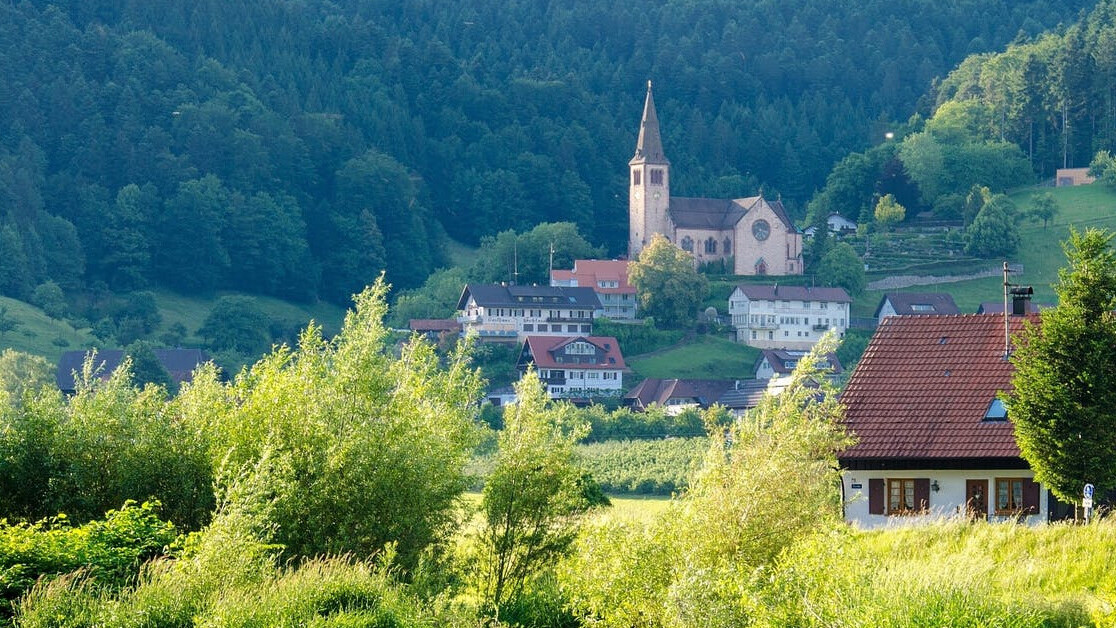
An urban orchard in Perth.
Zoe Myers
It has also been widely demonstrated that nature does not affect us inuniform or universal ways.
Sometimes it can be confronting or dangerous.
These factors complicate the desire for a nature pill to treat urban ills.
Why does biodiversity matter?
Researchers are able, for example, to analyse responses toimagesof urban streetscapes versus forests.
They can also track peoples perceptions on the move.
Research shows us biodiverse nature has a particular positive benefit formental well-being.
Multi-sensory elements such asbird or frog soundsorwildflower smellshave well-documented beneficial effects on mental restoration, calm, and creativity.
This is particularly important in ensuring we create places for people ofall abilities, mobilities, and neurodiversities.
Neuroscientific research also shows anenriched environment one with multiple diverse elements of interest can prompt movement and engagement.
This helps keep our brainscognitively healthy, and us happier.
Increasing our interaction with natural elements throughtouch literally getting dirt under our nails is bothpsychologically therapeuticandneurologically nourishing.
We also haveincreasing evidencethat air, noise, and soil pollution increase the risk ofmental health disordersin cities.
What does this mean for urban neighbourhoods?
These converging illustrations suggest biodiverse urban nature is a priority for promoting mental health.
Our job as designers and planners is therefore to multiply opportunities to interact with these areas in tangible ways.
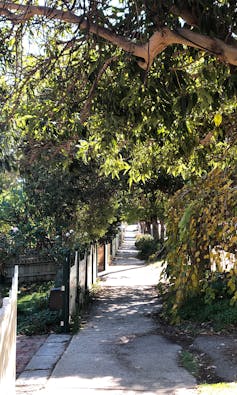
A residential street in Perth.
Zoe Myers
The concept of biophilia isnt new.
This grounds effort in real-time, achievable interventions.
Using novel technologies and interdisciplinary research expands our understanding of the waysour environments affect our mental well-being.
This knowledge challenges the standardized planning of natural spaces and monoculture plantings in our cities.
