A similar photograph has also been used by UKsDaily Mailonline with faces of the victims pixelated.
It’s free, every week, in your inbox.
But it didnt apologize.
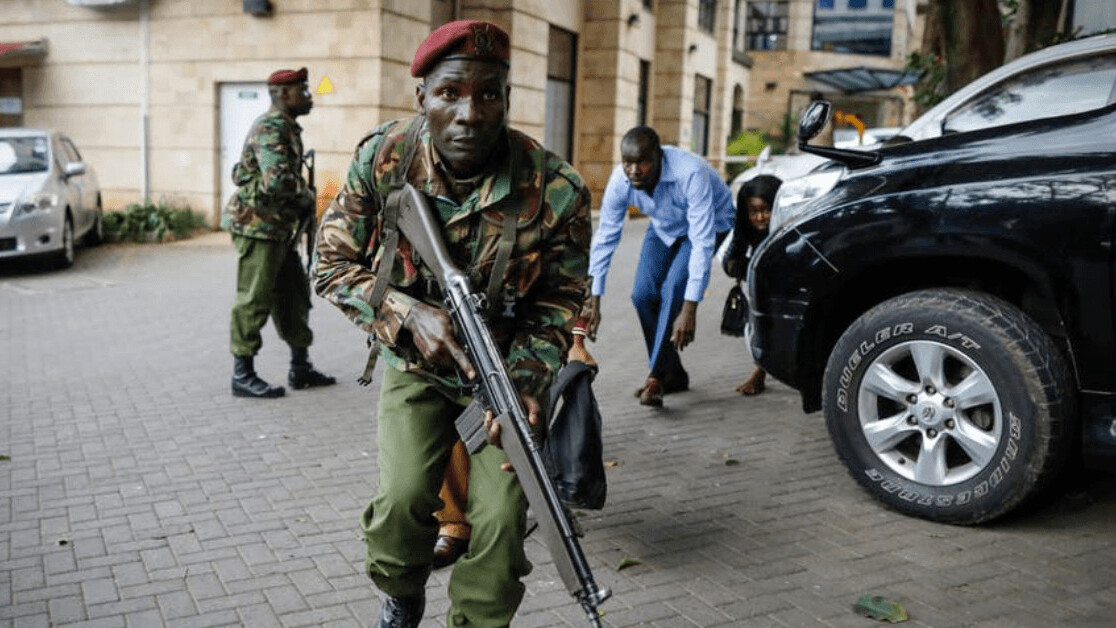
Instead it justified its decision to use the photo.
It acknowledged that some readers were upset by the photo.
In essence, the paper is claiming that it has done nothing wrong by publishing images of the dead.

Covering terror
Reporting violent terrorist acts is one of themost challengingjobs for journalists.
But its becoming increasingly clear that terrorist organizations are now quite adept at manipulating the media.
Terror attacks no longer just target victims, they also target the public.
Terrorists create a theatre of death and destruction.
The media provides them a stage at no cost.
Death and blood elicit shock.
The New York Times and the Daily Mails decision to use that photograph plays into this strategic ritual.
This seems to be a deeply conflicted logic.
The coverage of distant death, especially in Africa, by much of the Western press remains deeply problematic.
The newspaper had tweeted that it treats photographs of the bodies of victims the same way everywhere.
Thenewspapers reasoningthus becomes a fabrication, one that speaks to one world and not the other.
In the recent terrorist attacks in the US the New York Times has faithfully protected the dignity of victims.
Their stories have not been told with any less clarity and profundity.
The victims are stripped of their dignity, becoming disposable objects of pity.
Images of their bodies are seen as acceptable to the otherwise delicate sensibilities of Western audiences.
The double standards arent accidental: they are institutionalized forms of narration of the Other.
Equally problematic is the lack of context provided in the coverage of such events.
This not only contributes to ignorance, it also undermines international efforts to fight terrorism.
Ultimately though, audiences are not presented with a balanced view of events and terrorism continues to flourish.
Terror attacks must be reported.
To do otherwise would be to erode important freedoms.
We must guard against the desire to clamp down on free speech and access to information.
This would be a triumph for terrorists.
But its not censorship to expect the media to extend some sympathy and dignity to the victims.
This must be the case in death as much as in life.
Sensationalism comes in many forms.
The New York Times and the Daily Mails use of that photograph was one of them.
These newspapers failed journalism.
More tragically they dishonored the victims of the Nairobi Riverside attack.
