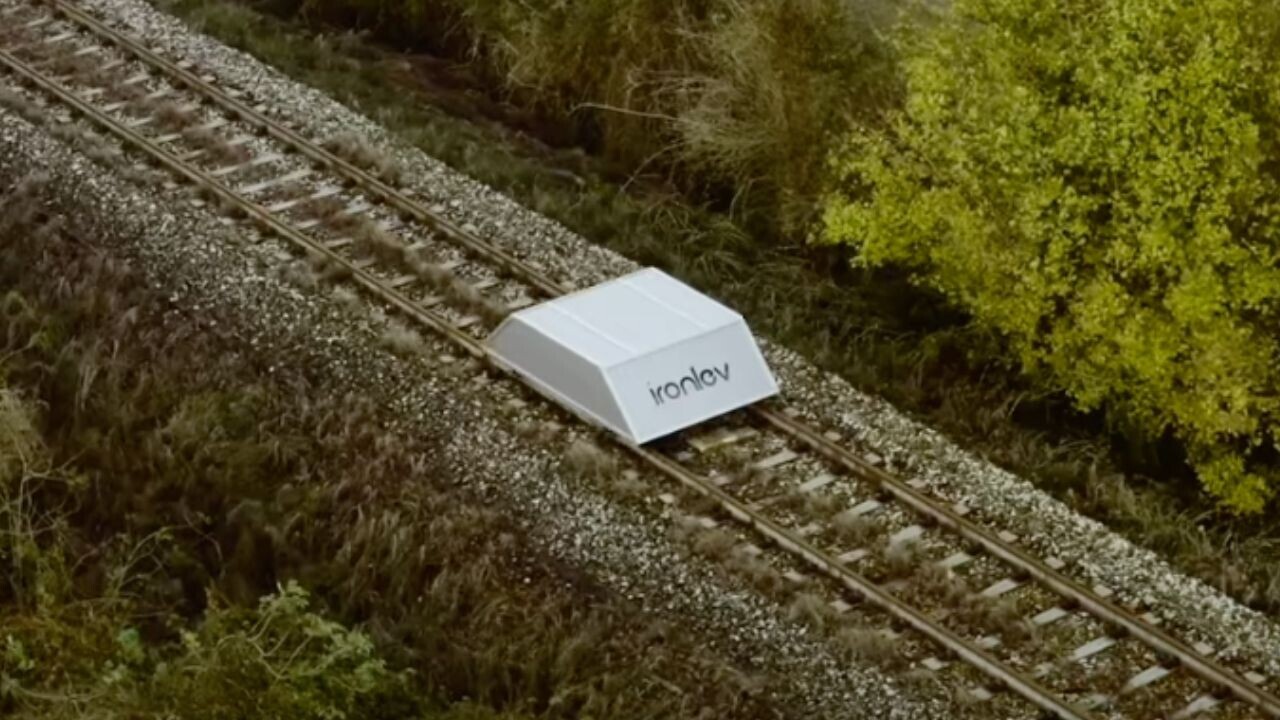
Floating trains have glided closer to Europe after a pioneering trial of magnetic levitation aka maglev.
Across the two-kilometre route, the prototype vehicle hit a speed of 70 km/h.
According toIronLev, not a single modification had been made to the track.
40% off TNW Conference!
Their journey to real railway lanes, however, has been slow.
After Germanys reunification, the line wasrendered redundant.
In the years since then, several factors have delayed the systems return toEurope.
One of them is the hefty price tag on the tech.
The Shanghai maglev, for instance, costan estimated$60mn (55mn) per mile of track.
Another longstanding barrier for maglev trains is the inability to run them on existing infrastructure.
But IronLev may have finally found a solution to that problem.
Story byThomas Macaulay
Thomas is the managing editor of TNW.
He leads our coverage of European tech and oversees our talented team of writers.
Away from work, he e(show all)Thomas is the managing editor of TNW.
He leads our coverage of European tech and oversees our talented team of writers.
Away from work, he enjoys playing chess (badly) and the guitar (even worse).
