The pandemic altered the commute for most and changed our experience of moving through cities.
Would public transit still exist?
And what would it look like?
It’s free, every week, in your inbox.
The way we commute has already started to change.
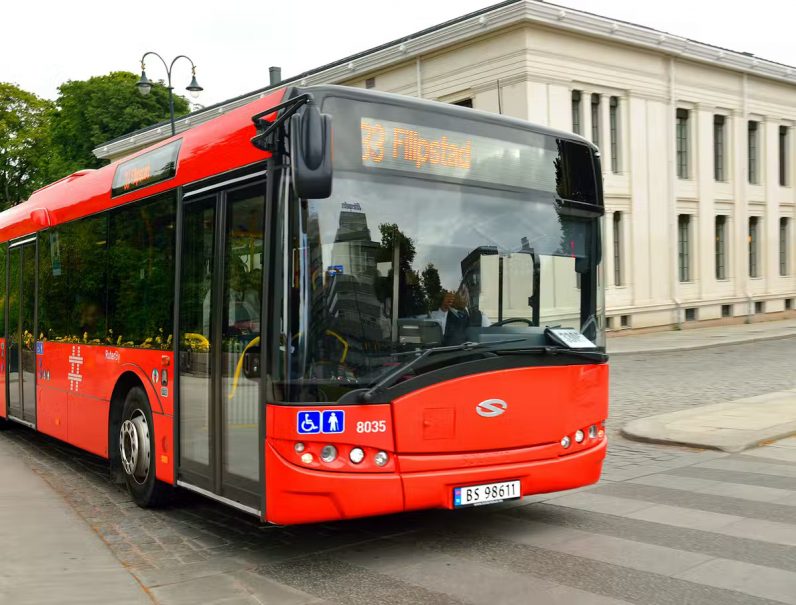
Withnext generation transportation projects,public transportation is becoming more efficientby employingself-driving buses and trainsand installingautomatic card-ticketing systems.

Science fiction storytelling has constantly envisioned the cities and urban life of the future.
Classics likeBlade RunnerandGhost in the Shellcontain prescient representations of the future as imagined at the time.
Chinassocial credit systemechoes the mass surveillance system inGeorge Orwells1984.
Futuristic cities are represented as densely populated, with skyscraperstowering abovebusy, narrow streets.
InAltered Carbon, the streets are reminiscent of lively pedestrian night markets filled with merchant stalls.
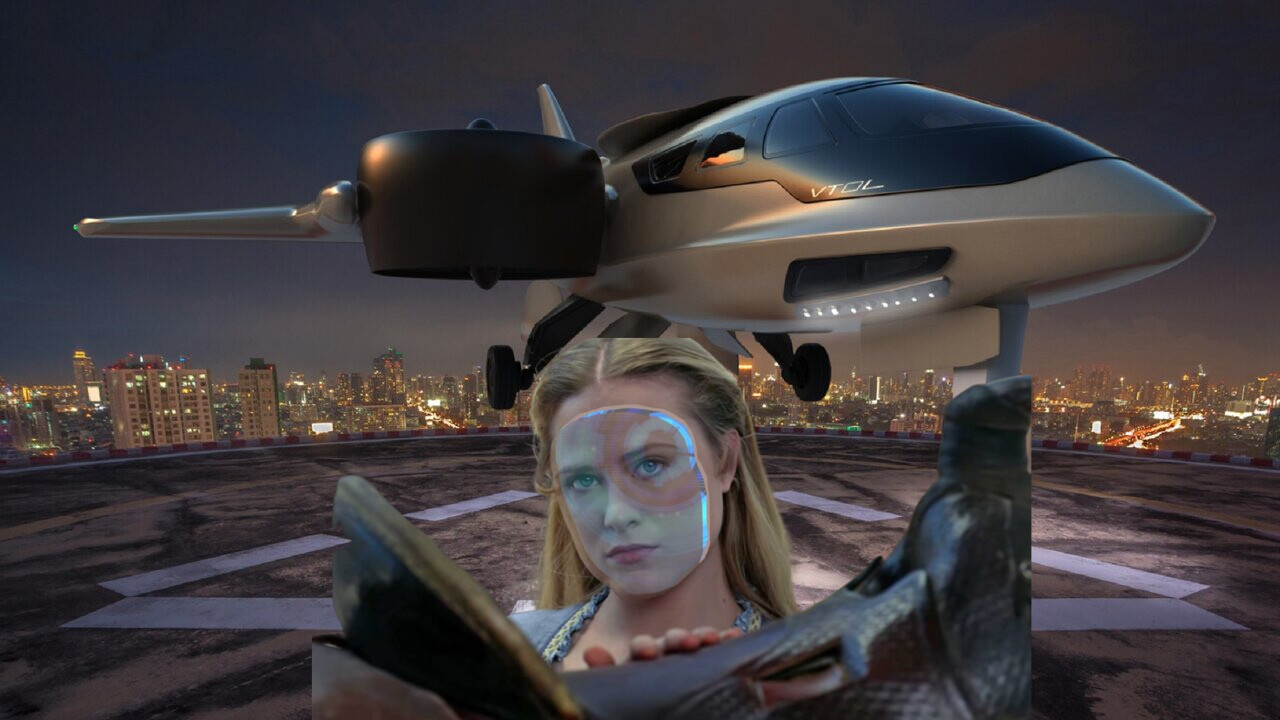
InWestworld, there are electric self-driving vehicles for citizens and self-driving luxury drones for the rich.
These technologies smart lenses,smart mirrorsandenhanced environments already exist.
Inclusive futures
So, what would a typical commute look like in the future?
You check the news on your smart contact lens.
You reach your stop and while walking the final steps to your destination notice something in a store window.
Buses and cars zoom by at high speeds, yet there are no collisions because sophisticated AI controls everything.
The streetscape is no longer one layer, but many intertwining passageways at different low altitudes.
Parks and open green areas scale vertically, creating smaller and privatized pockets of greenery within highrise structures.
Marginalized groups must be part of the processin designing this future.
The question then remains who will design this future private companies or the public sector?
