So far, pretty standard except for one big difference.
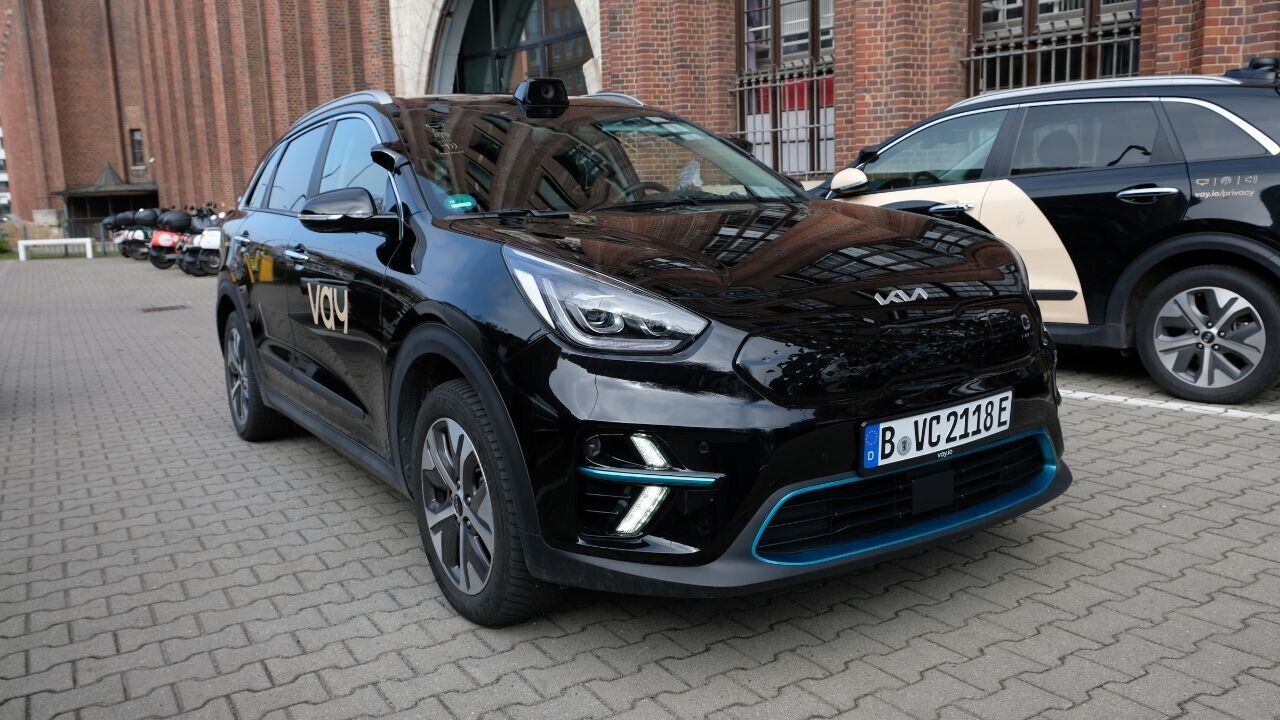
Bartek isnt in the car.
Hes in an office a few blocks away, controlling the vehicle like a high-tech puppeteer.
It’s free, every week, in your inbox.
Operators could be sitting on the other side of the world.
Redundant mobile networkstransmit the data.

In the event of a web connection failure or emergency, the vehicle automatically comes to a safe stop.
After the car arrives, users take the wheel and drive themselves.
Customers can use the car for a short trip, hours, days, or even longer.

Then, a remote operator takes over again and drives on to the next client.
As anyone familiar with autonomous vehicles will know, watching a car drive itself takes some getting used to.
Knowing that my driver was blocks away, steering through screens and sensors, made every turn feel surreal.

But once you get used to it, the ride is almost disappointingly normal I suppose thats the point.
Meanwhile, across the Atlantic, Vay is accelerating.
Vay already hasa 40-strong fleet of remote-controlled cars in Las Vegas.

However, the German government hands out such permits sparingly.
Thats why I couldnt take the wheel on our test drive.
That was Graemes job, our safety driver for the trip.
Nevertheless, it gave me a firm idea of what to expect.
The future of car sharing?
When I first heard of Vays remote driving concept a couple of years back, I was skeptical.
The company touted the benefits: less hassle, cheaper fares, better working conditions for workers.
But it seemed like a business model at risk of fading into irrelevancy once self-driving cars went mainstream.
Vays rides in Las Vegas cost about half as much asUber.
Von der Ohe says they keep prices low by reducing driver labour costs.
With ride-hailing services, its one driver, one car.
But a single Vay driver can oversee up to 10 vehicles on any given day.
When they drop one car at a customer, the drivers can teleport and gain control of another vehicle.
Thats why letting customers drive themselves makes business sense, says Von der Ohe.
Vay aims to make its biggest impact in car sharing and rentals, not ride-hailing.
Vay also hopes to provide a better version of car sharing.
Customers dont need to pick up or park their cars major hassles in dense European cities.
All this makes for a compelling value proposition.
Vay has raised $150mn in funding so far, including34mn($37mn) fromthe European Investment Bank.
But there are still many potholes in the road.
Outside Las Vegas, Vay is still unproven and regulatory red tape isnt making things easier.
In Europe, governments have been slow to adopt rules for remotely driven cars.
Currently, the vehicles are subject to much the same guidelines as autonomous vehicles which are patchy at best.
But politics get in the way, theres no consensus.
Its just so weird.
To fund the expansion, the company is also lining up another funding round, says Von der Ohe.
After my test drive, I called an Uber to take me to Berlin Brandenburg Airport.
But for now, if I want that future, Ill have to book a ticket to Vegas.
Story bySion Geschwindt
Sion is a freelance science and technology reporter, specialising in climate and energy.
