Did you knowTNW Conferencehas a track fully dedicated to exploring new design trends this year?
Check out the full Sprint program here.
Let me take you back to a time before iPhones, Game of Thrones, and Netflix.
The year is 1989.
The hairstyles are big and curly.
The earrings are huge.
George H. W. Bush is sworn in as the 41st president of the United States.
A Chinese man stands alone to block a line of tanks heading east in Beijings Tiananmen Square.
Berlin Wall comes down.
Madonna is singing Like a Prayer and movies like Good morning, Vietnam and Die hard have been released.
Around that time, three companys, Nintendo, Sega , and Atari, released handheld game consoles.
The first of their kind.
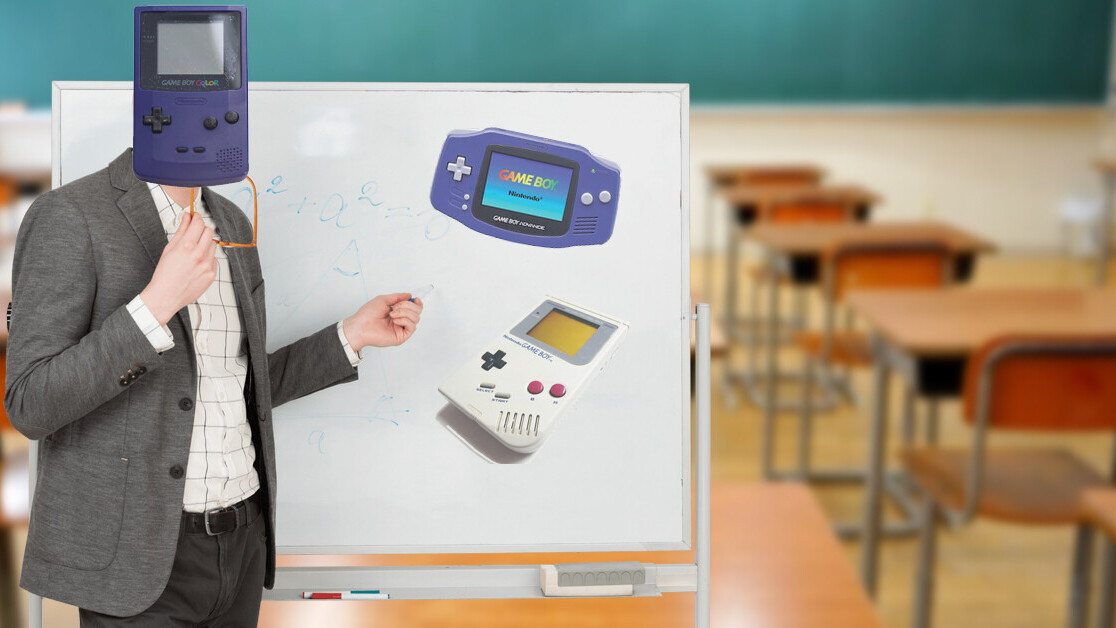
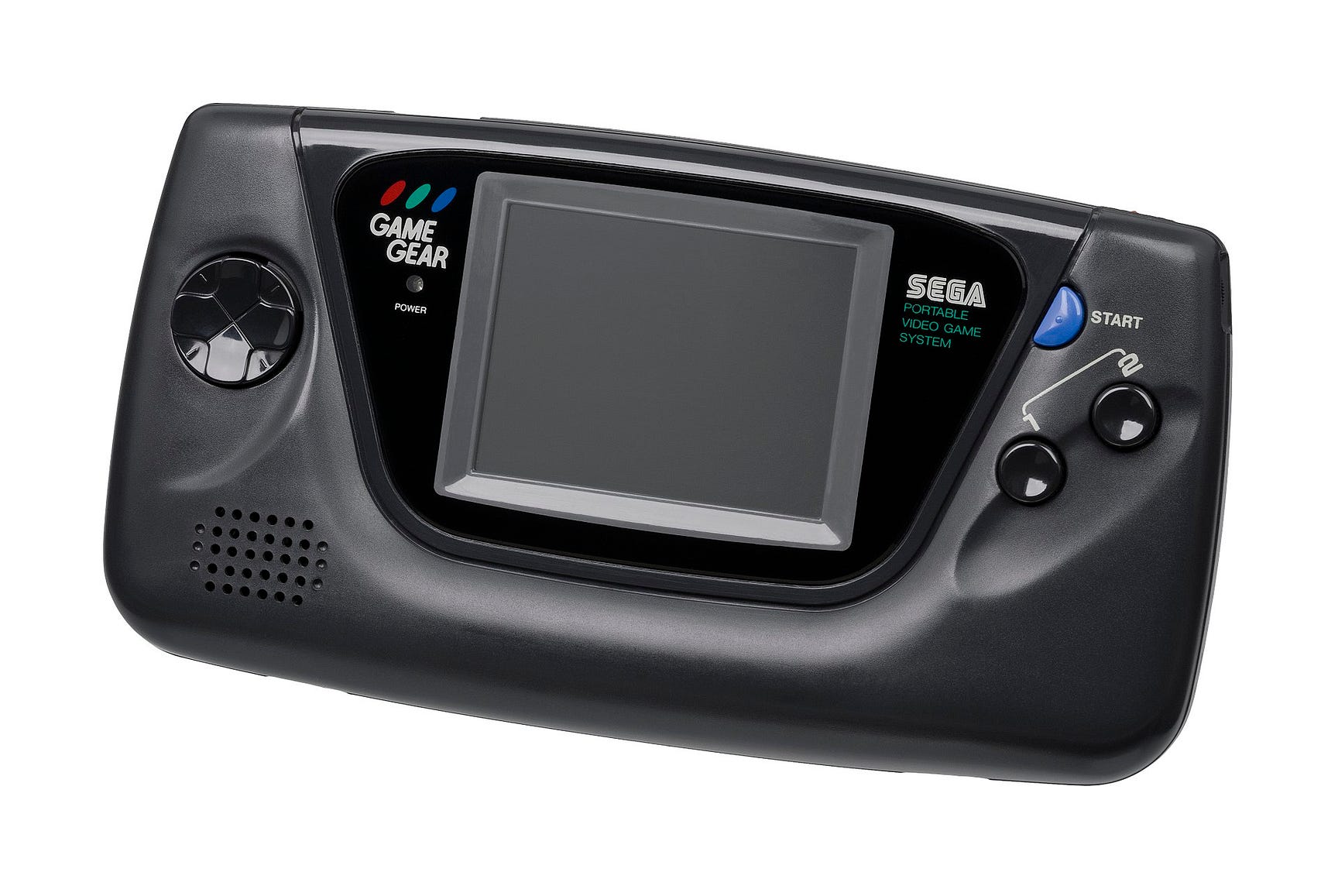
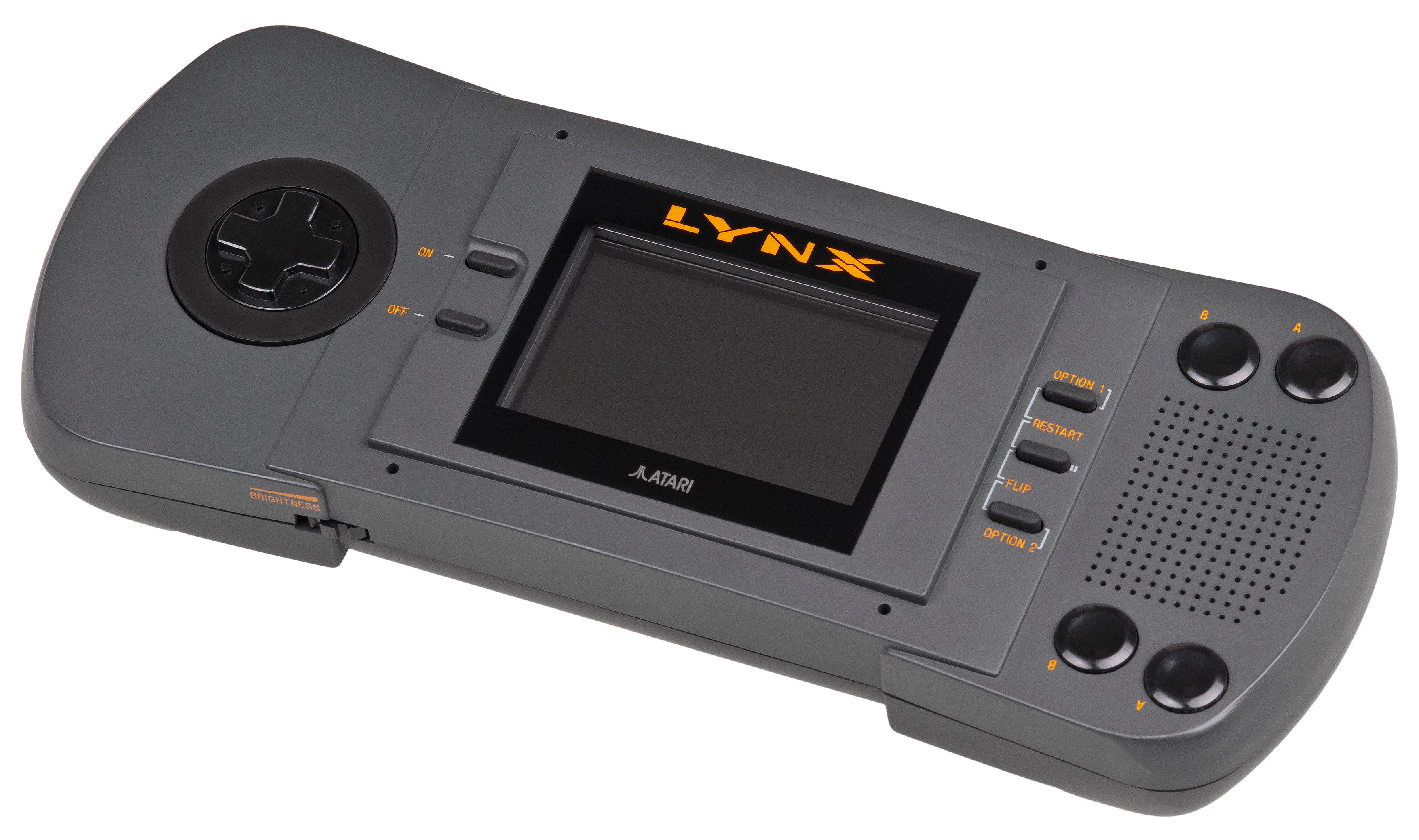
Nintendo released theGame Boy,Sega theGame Gear,and Atari releasedLynx.
Both the Game Gear and the Lynx had full-color backlit screens, a total of 4096 colors.
The Game Boy had 4 shades of gray on a greenish screen and it was not backlit.
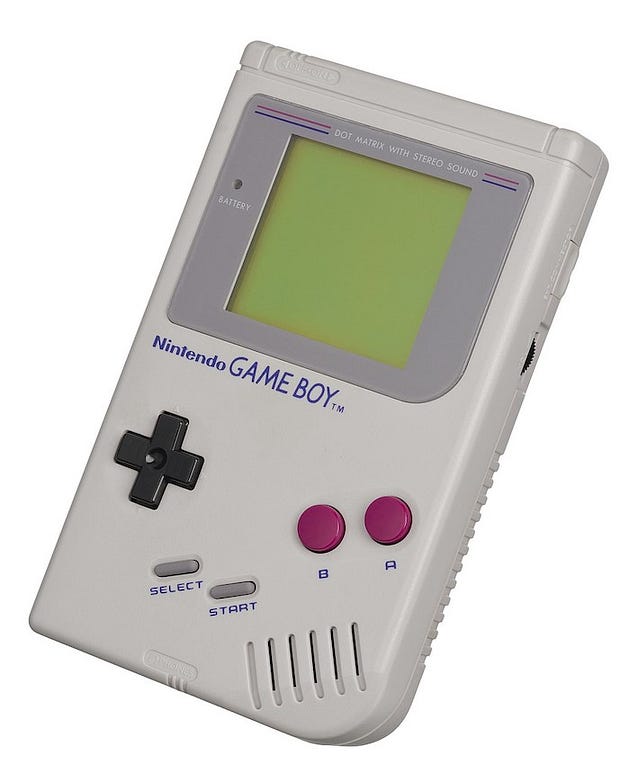
The Game Gear and Lynx had nice handles where the user could hold the console and control the buttons.
The Game Boy was unergonomic and tiny.
One of the consoles sold 180,7 million copies while the other ones sold 3 and 10,67 million copies.
It was the best selling console in the 20th century.
Lateral thinking was coined in the 1960s for the reimagining information in new contexts.
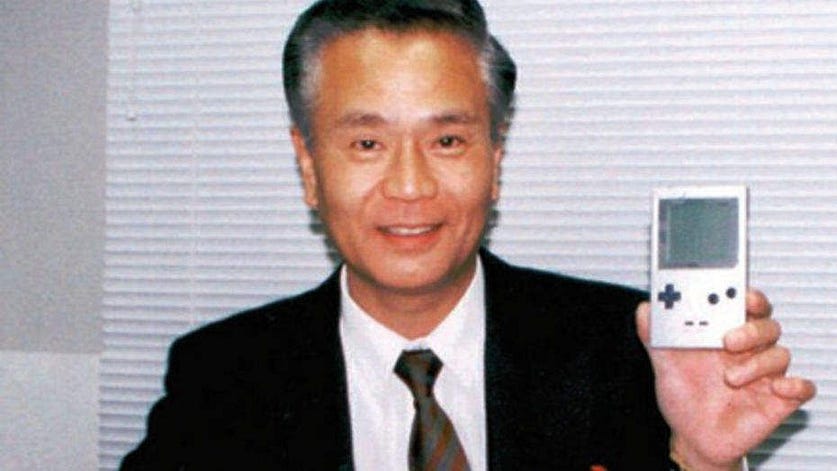
Yokoi was finding new radical ways of using mature technology which was cheap and well understood.
Yokoi argued that cutting edge technology can get in the way of developing a new product.
The team at Nintendo cut every corner making the Game Boy.
The used a Sharp processor from the 1970s.
They made it tiny.
They didnt use colors and the graphics in fast lateral motion smeared across the screen.
But it was cheaper, many could afford it.
90US$ compared with 150US$ (Game Gear) and 180US$ (Lynx).
It was tiny but it could fit inside a larger pocket.
After drying of course.
it’s possible for you to also play for 30 hours on 2 AA-batteries.
He said:
Once you start playing the game, the colors arent important.
You get drawn, mentally, into the world of the game.
Yokoi understood the user experience.
He understood that the most important thing was making the user engaged and experiencing a range of emotions.
The first thing I asked was: Is it a color screen, or monochrome?
He told me it was color, and I reassured him, Then were fine.
The whole interview was translated from Japanese to English and can be foundhere.
So, what can we learn from the success of the Nintendo Game Boy?
Mainly that user experience is much more than the screen and that the user context is super important.
We focus on the screens.
But how about the context?
When and how is the product being used?
Lets say that you are a user experience researcher working for Sega or Atari.
You set up a controlled test environment and give a game console to the user.
You provide them with certain tasks, observe, and discuss.
The users love the game console.
But this is not the context where they would naturally use it.
They will not play on it while sitting by a table.
It would have to be robust to handle being picked up and thrown down in the bag.
You dont want it to be too big, too heavy.
You want to be able to play for a while.
Lets say you are to design alocation-basednotification utility, asGoogle Keepfor example, but smarter.
How would you proceed to test what kind of notifications are useful for the user in different situations?
For exampleBuy breadwhen the user enters the grocery store.
By evaluating what information is valuable for the user in which context we can learn and adapt.
For more information about Anticipatory Design read the amazing articleThe psychology of Anticipatory DesignbyYogesh Moorjani.
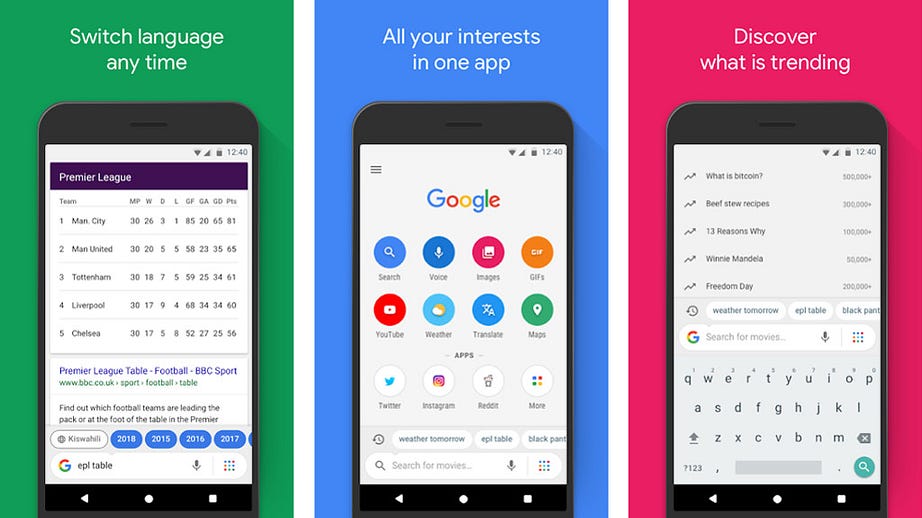
One great example of a current UX design that places great value on context isGoogle Go.
The phone online window is small in size, only 7 MB, saving space on your phone.
It is optimized for voice search.
To conclude, a customers satisfaction with a product depends on the context of its use.
As user experience professionals we must keep that in mind when designing and when testing.
We need to observe the users in their environment, in the right context.
Or we will miss out on the necessary information and make poor decisions.
After all, we want to make the future Game Boy and not the Game Gear or Lynx ?
