Gigafactories could one day be churning out millions of electric vehicle batteries in the UK.
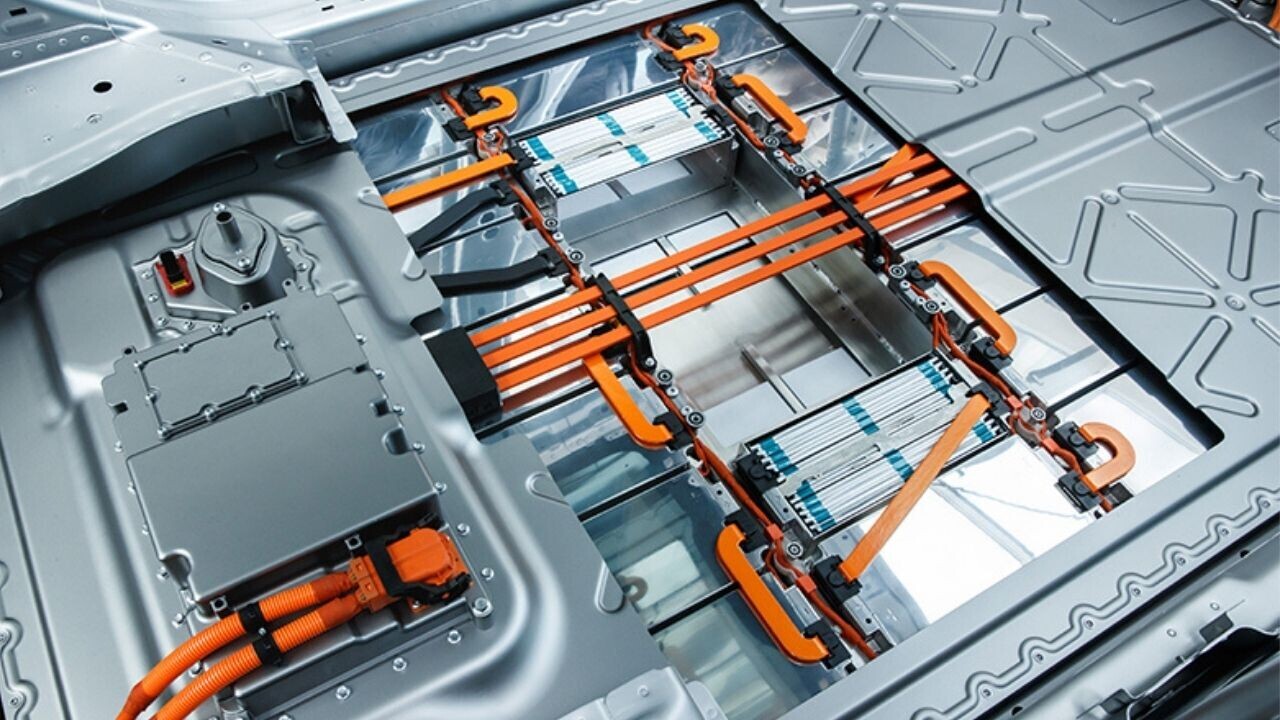
What will all these batteries look like?
Most EVs today use lithium ion batteries, but these have a number of limitations.
It’s free, every week, in your inbox.
The batteries generate energy by moving charged particles called ions backwards and forwards between two electrodes.
When the battery is charged, lithium ions pass from a metal oxide compound electrode to a graphite electrode.

These are safer and can power EVs further than 300 miles on a single charge.
But lithium batteries have a problem.
Lithium is arelatively rareelement on Earth compared with most minerals in common use.
As demand for batteries increases, the price of lithium willincrease sharply.
This has prompted geologists to search for new sources of lithium worldwide, often with their own high costs.
One solution may be to get more use out of what we already have.
Some are considering whetherbacteriacould help them achieve this.
Lithium is alsoa very reactive metal, presenting challenges for people tasked with handling it.
There are also potential alternatives to lithium.
For example,sodium-ion batteriesare gathering interest from EV manufacturers due to their lower cost.
They work similarly to lithium-ion batteries but sodium is heavier and stores less energy.
Building enough electric cars at a price that will make them cheaper than fossil fuelled alternatives isa major challenge.
At the fore of battery research, scientists are working to solve this problem and revolutionise how we travel.
