The U.S. Constitution mandates that every 10 years the Census Bureau count every person living in the United States.
The census has continuously adopted new technological tools to make the process easier, cheaper, and more accurate.
This year, for the first time, the bureau is aiming togo predominantly digital.
The biggest motivation: cost savings.
The cost for 2010 was$12.3 billion.
But 2020 hasnt shaped up exactly as anyone was planning, including for the Census Bureau.

It’s free, every week, in your inbox.
So whats different about this years census?
What does digital Census mean?
In 1970, the bureau transitioned to paper questionnaires and mailed forms to most households.
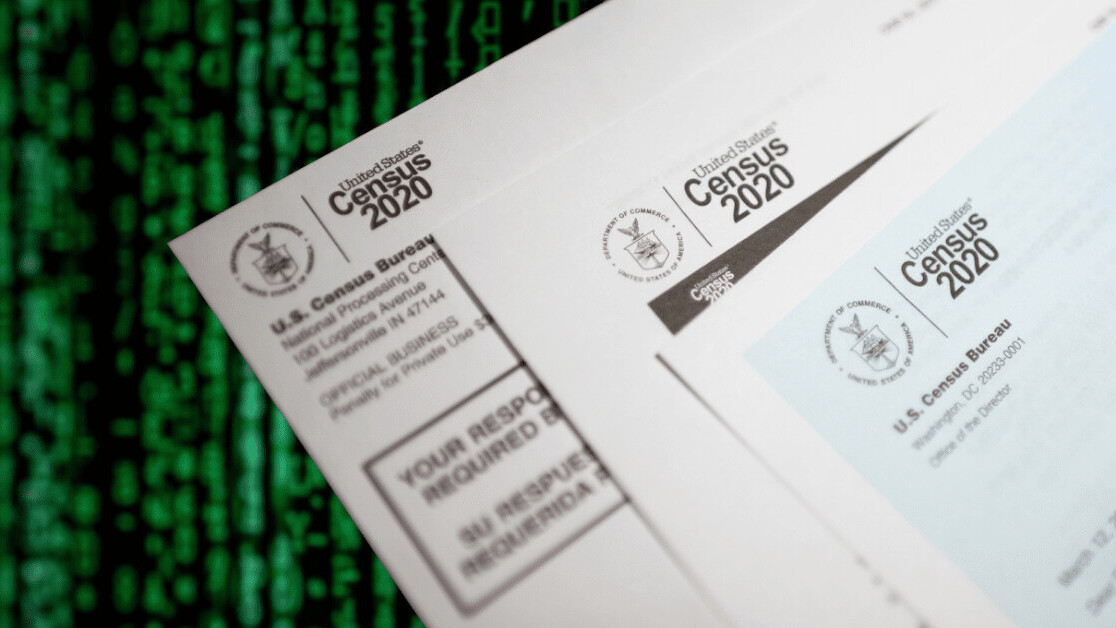
Now, the census is hoping most people will fill in the survey online.
The bureaufirst tested out online responses in 2000.
Few households took advantage (74 percentchose the mail-in option instead).
The bureau was also concerned it couldnt adequately protect user data.
The 2020 census is the first time the bureau has widely promoted the online option.
In mid-April the census mailed out questionnaires to households that hadnt yet responded online.
The census is employing other new digital tools this year.
Has the Census resolved concerns about digital privacy and fraud?
Census workers are sworn to uphold these privacy measures, and violating Title 13 is a federal crime.
By law, your responses cannot be used against you.
There are no exceptions.
That makes it much more complicated to potentially take a stab at hack into, says Filippelli.
Thesmartphones that enumerators usealso encrypt data and require two-factor authentication.
For the first time, the Census Bureau will usedifferential privacywhen the agency publishes the 2020 results and statistics.
Differential privacy is a technique that introduces a level of mathematical randomness into the dataset.
Ultimately, the Trump administration dropped its attempt to add the question, but public fear persists.
Thats just slightly lower than the 2010 final self response rate of 66.5 percent.
But response rates are uneven.
But when the pandemic hit, all those locations closed, exacerbating the digital divide.
It is very hard to take a census when your best-laid plans are changing so rapidly.
This article wasoriginally published on The Markupby Sara Harrison and was republished under theCreative Commons Attribution-NonCommercial-NoDerivativeslicense.
