In the space sector, this is standard operating procedure.
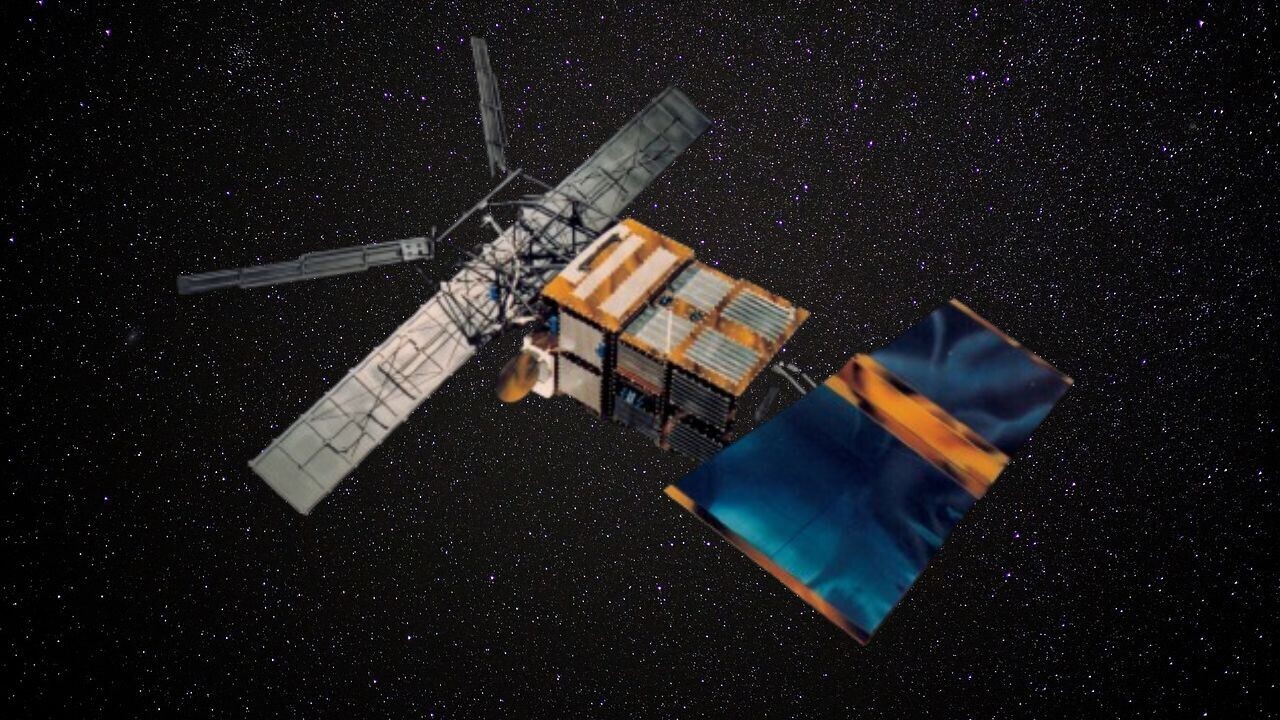
The satellite in question is the European Space Agencys ERS-2.
Launched in 1995, the spacecraft set new standards for Earth observation.
It was also an extremely durable machine.
The descent began with a sequence of 66 deorbiting manoeuvres.
It’s free, every week, in your inbox.

ERS-2 was then passivated a process that removes the energy sources that could cause fragmentation or explosions.
The remainder of the journey was then left to the cosmos.
Thirteen years later, the big day is almost here.
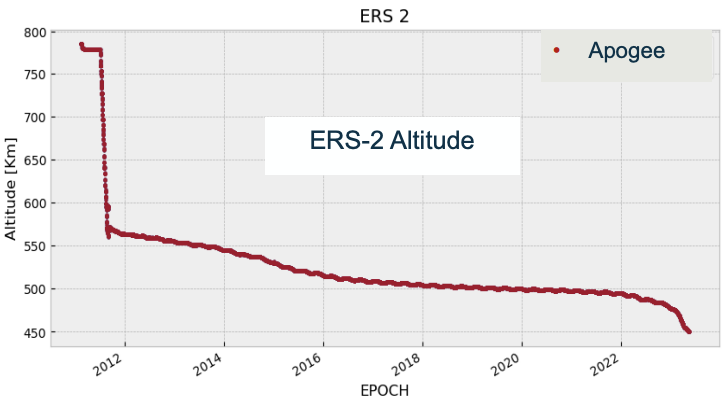
ERS-2 has begun plunging into the lower layers of the atmosphere, where it will start burning up.
But the precise time and location of the arrival on our planet remains unclear.
The standard margin of error for these forecasts is20%.
Twenty-four hours before re-entry, for instance, the uncertainty should be around 4.8 hours, plus or minus.
This variability stems primarily from volatile solar activity.
Its also hard to forecast.
Forecasts can also be inhibited by our limited knowledge of the atmosphere in verylow orbits.
When the big moment finally comes, most of ERS-2 will burn up in the atmosphere.
Some fragments, however, may survive.
Thankfully, the chances of it hitting anyone are miniscule.
Story byThomas Macaulay
Thomas is the managing editor of TNW.
He leads our coverage of European tech and oversees our talented team of writers.
Away from work, he e(show all)Thomas is the managing editor of TNW.
He leads our coverage of European tech and oversees our talented team of writers.
Away from work, he enjoys playing chess (badly) and the guitar (even worse).
