I love watching movies.
A controversial and brave statement, I know.
Anyway, since the end of last year, this habit has accelerated.
Its hard to know why.
40% off TNW Conference!
First off, quality.
What actually is 4K?
Without getting too weighed down, 4K is a display resolution.
Normally, this is described by stating the number of pixels acrossthe screens width and heightrespectively.
For example, the 1080p resolution is for screens that display1,920 pixels horizontallyand1,080 vertically.
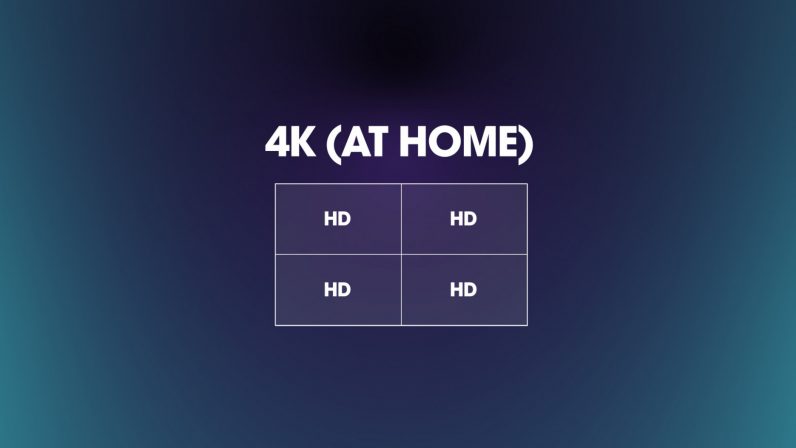
But what about 4K?
Effectively, it means more detail.
And what is HDR?
Instead, well focus on the basics.
First, what does HDR stand for?
Well, thatsHigh Dynamic Range.
This allows them to offer a more realistic, natural image.
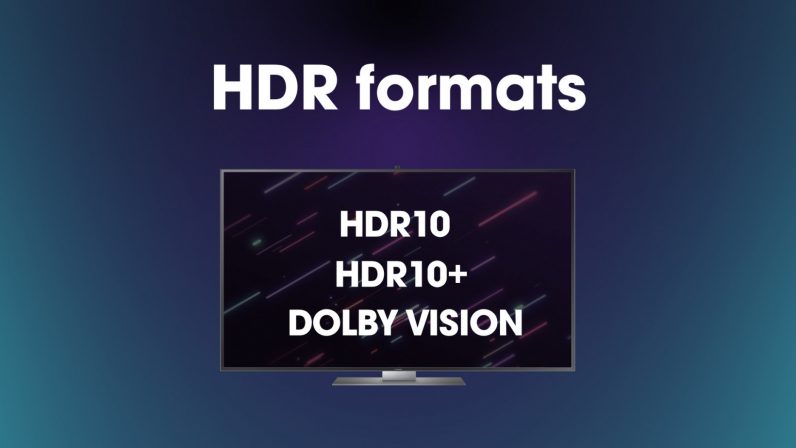
Now, there are three main HDR formats:HDR10,HDR10+, andDolby Vision.
Another important point is that HDR is something that your TV needs to support.
Want a TL;DR?
Well, HDR is a technology that improves the colors on your TV.
While you might appreciate deeper blacks and brighter pictures from anywhere.
So why is it important to know about 4K and HDR?
Well, because theyre the foundation of both the 4K Blu-ray experience and streaming.
So, lets talk the latter.
Streaming vs. 4K Blu-ray: whats the difference?
Now, as I mentioned 4K resolution and HDR are available on both streaming networks and 4K Blu-ray players.
But… there is a difference between the two.
Well, thats all because of compression.
And yes, this means were going to another short explainer.

And thats because it needs to be.
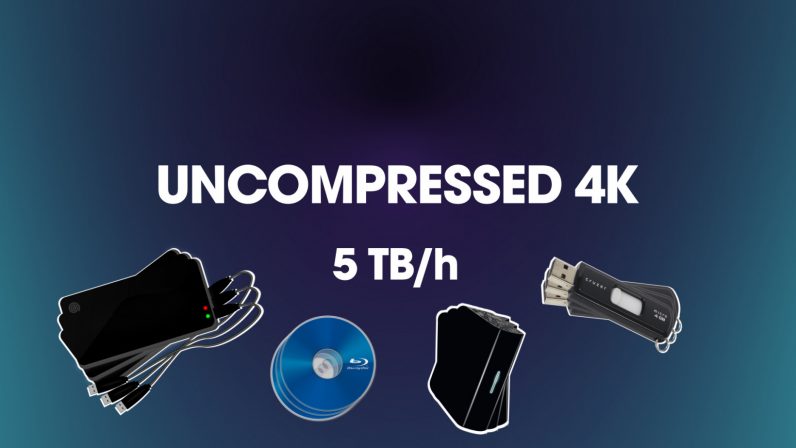
Instead, videos on both discs and online are compressed.
If you have two consecutive images in a movie, the chances are theyre very similar.
Think of a still landscape with a character walking across it.
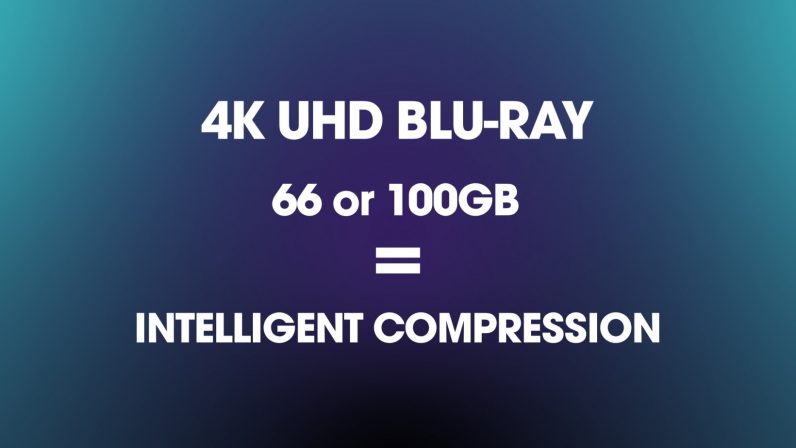
In a video thats intelligently compressed that same background isnt stored multiple times.
Instead, the only information each frame has it whatwasntin the previous one.
Lets return to our character walking across a still landscape.
With intelligent compression, only a fraction of that image (the moving person) would be stored.
Lets get back to streaming and 4K Blu-ray players.
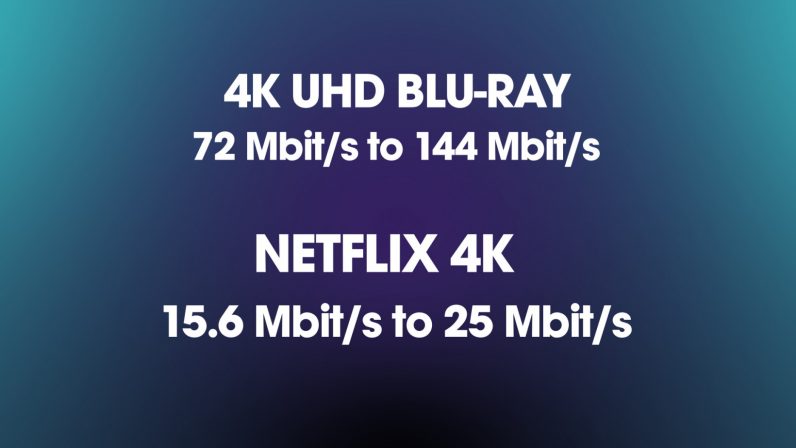
What this works out to post 2018 at least is a video thats playing anywhere from72 Mbit/sto144 Mbit/s.
Onto streaming and well use Netflix as our baseline.
The reason for the smaller videos?
Mainly, to cut down on bandwidth use.
Internet speeds arent unlimited or even consistent across the globe.
So what do we take from this?
That the quality on a 4K Blu-ray is potentially almostsix timesthat of a stream?
Do not take that away.
Hell, its not even twice as good.
But it is definitely better.
The contrast comes when you watch a true cinematic spectacle.
There is one area that streaming simply cannot compete with a 4K Blu-ray player and thats sound.
The discs haveuncompressedaudio and, if you have a decent audio set-up, the quality leap is seismic.
Far better than the limp, lifeless sound you get from a lot of streams.
All this sounds fantastic, right?
This means the current quality divide is going to get smaller and smaller.
But should I rush and buy a 4K Blu-ray player?
This is where we bump into the biggest issue: money.
A 4K Blu-ray player is a luxury and one you probably dont need.
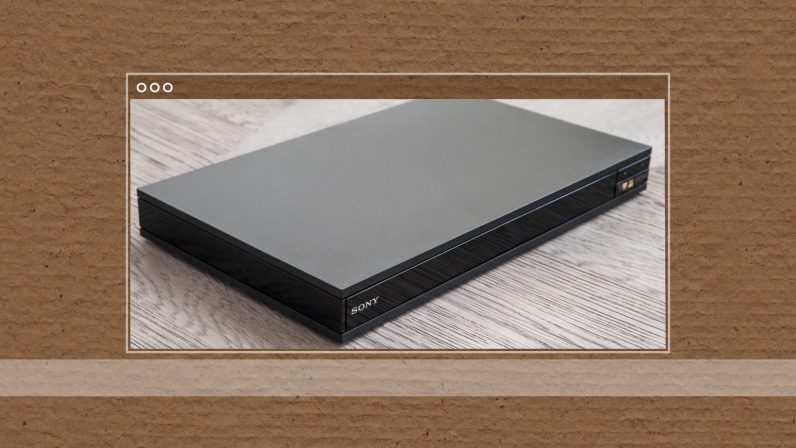
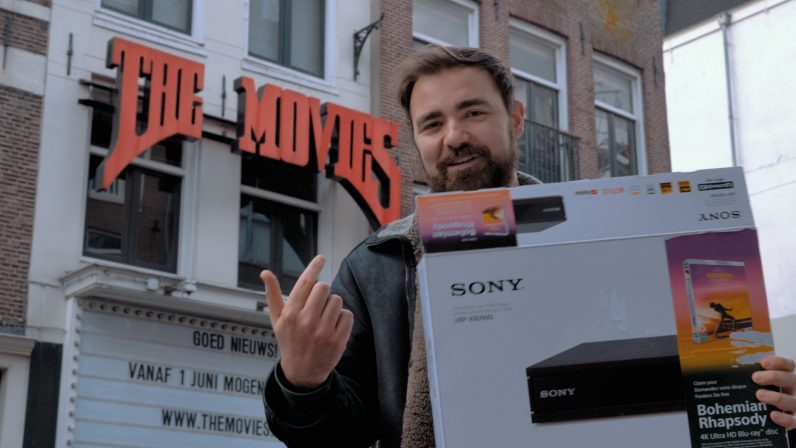
Ill use my player as an example: the Sony UBP-X800M2.
Honestly, this thing is my goddamn jam.
Not conventionally, but I dig its utilitarian vibes.
Its not perfect no HDR10+ is a bit of a downside but the Sony UBP-X800M2 is close to it.
Everything looks and sounds amazing.
Its a wonderful 4K Blu-ray player.
But heres the biggest issue: the Sony UBP-X800M2 costs around $300.
That, quite obviously, isnt cheap.
Yes, there are other options.
(Note: the Sony UBP-X700 is a great 4K Blu-ray player thats a bit cheaper than the above.
Also, you could also look for refurbished models if you want to find a bargain).
The cost issue doesnt stop there.
Next up,the movies.
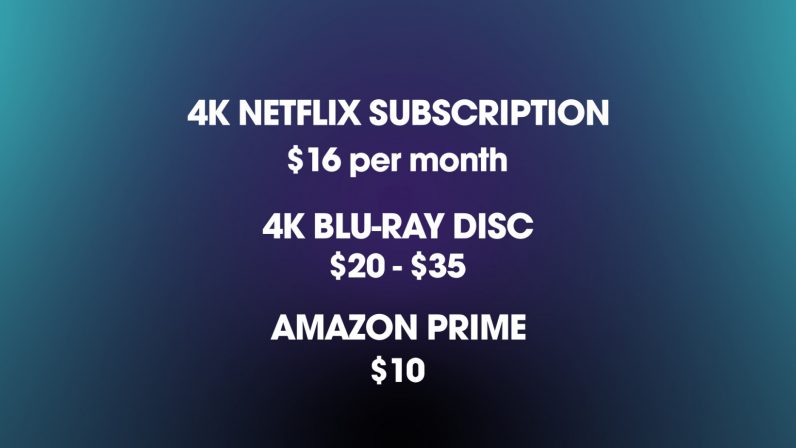
The cheapest you’re free to reliably get a 4K Blu-ray disc for is around $20.
More often than not, a new movie is closer to $30.
Depending on where you live, that means a single 4K Blu-ray is equivalent to about two cinema tickets.
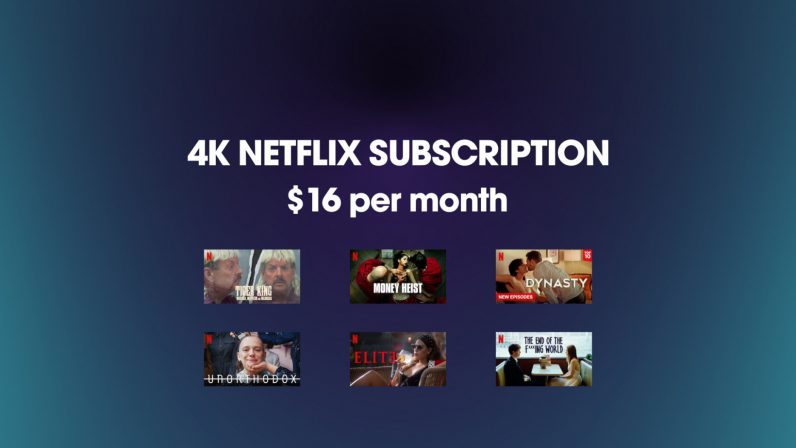
That is wildly different to Netflix.
But, of course, Netflix might not have thespecificmovie you want.
Thats more expensive than Netflix, but far cheaper than a 4K Blu-ray disc.
So why do you like the 4K Blu-ray experience so much?
First off, Im a bit of a hoarder.
Thats a big thing.
It brings me daily joy.
Another is I find there to be a certain magic to watching a physical movie.
It becomes a service, rather than an experience, something to be quickly consumed, instead of relished.
And heres when we get to the crux: none of that might bother you one iota.
And you know what?
you could watch and engage with media in any way you want.
Its not for everyone, its a luxury, an indulgence.
And that, friends, is why owning a 4K Blu-ray player is both smart, and stupid.
