When you hear the future of food, what comes to mind?
Star Trek-like food synthesisers, pills to replace your lunch,lab-grown meat, and insects for protein?
Yes, thefutureof food might contain those things.
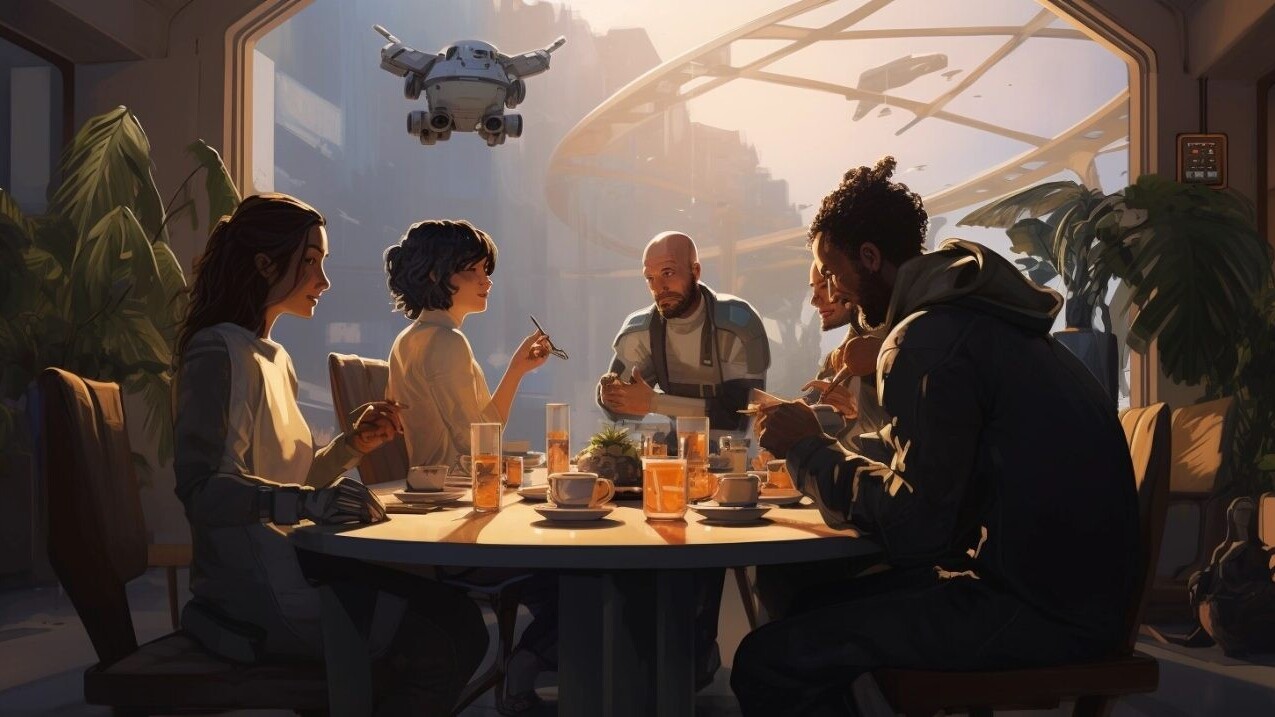
However, it will also be a lot less… strange.
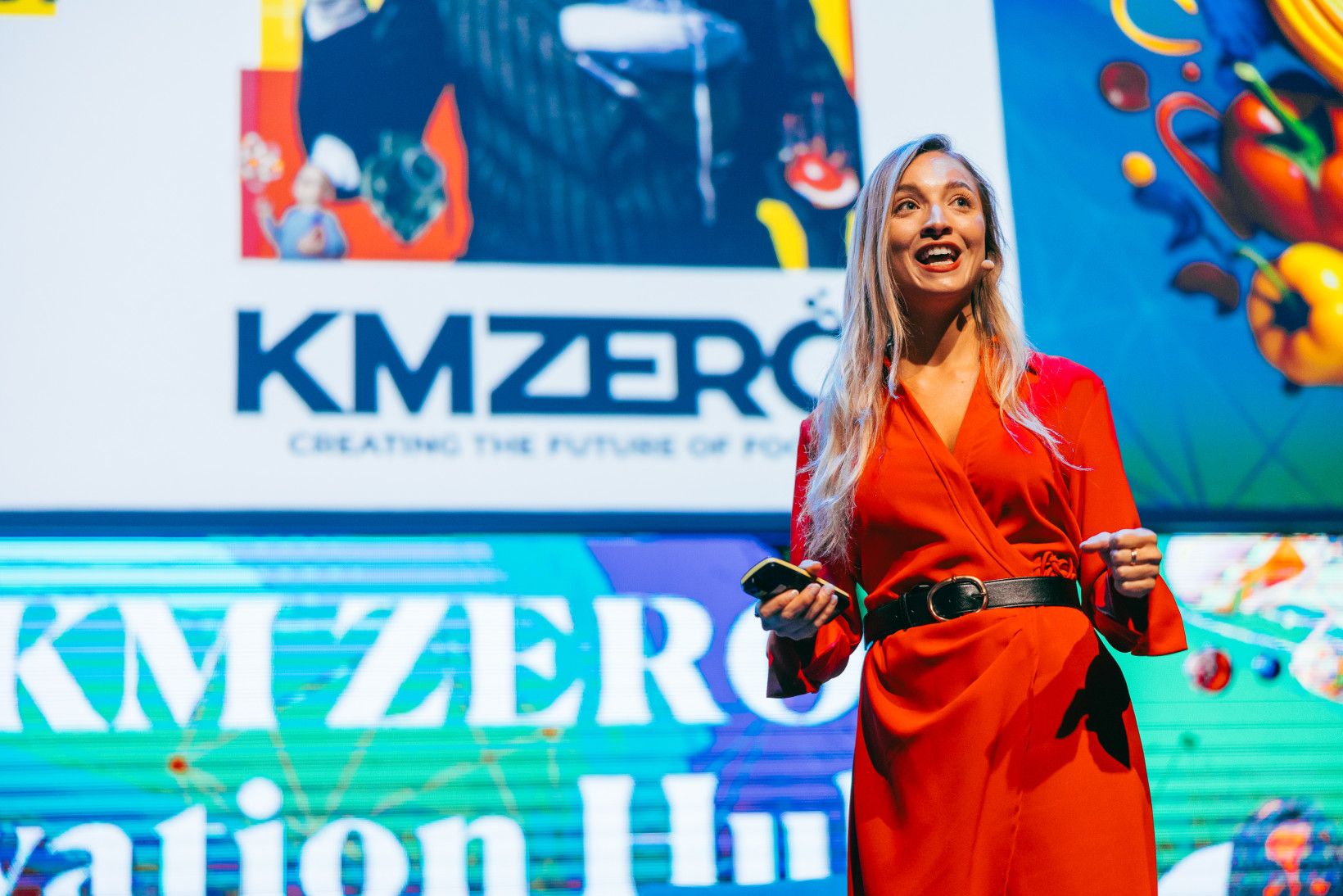
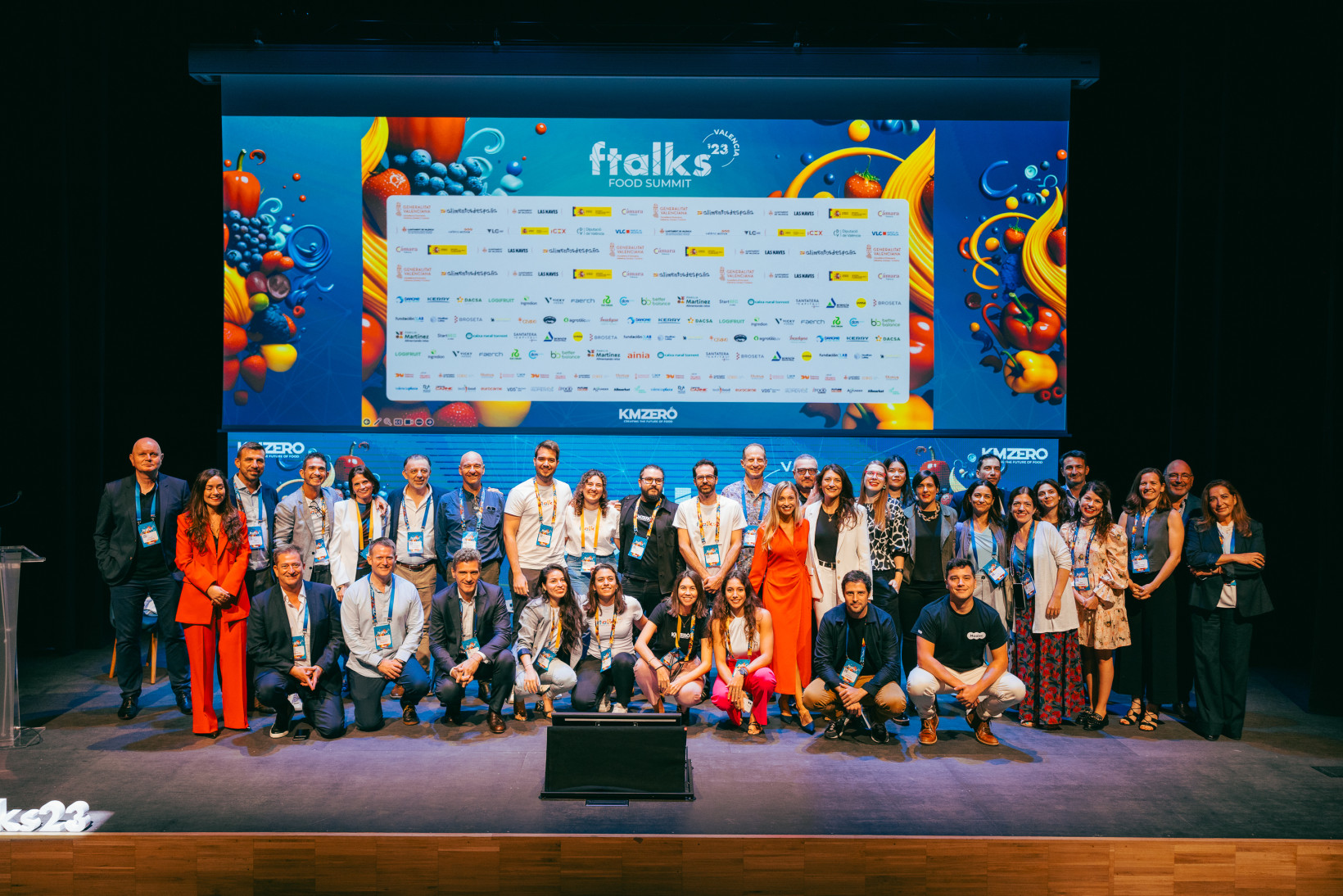
That is according to Beatriz Jacoste Lozano, the director of the KM ZERO Food Innovation Hub.
Food is something very close to our identity, our memories, our desires.
That being said, there is a lot that needs to change our food system is broken.
How our food systems are failing
And a broken system it is indeed.
The food industry is largely dominated by multinational corporations that encourage unsustainable and unhealthy patterns of production and consumption.
It is also the primary driver of biodiversity loss on the planet.
40% off TNW Conference!
And still, the system has not managed to eradicate hunger and starvation.

Our food system is also failing when it comes to providing nourishment to people, Jacoste Lozano states.
900 million people are still hungry.
By 2050, it faces the enormous task of having to feed 9.8 billion people.
Reforming the way we produce and consume food is absolutely essential for the health of the planet and humanity.
The hub analyses the needs of the food industry, which mainly take the form of sustainability challenges.
These can be related to packaging, water usage, carbon emissions, soil quality, etc.
But it doesnt stop there, and its not all hightech.
We think sustainability is not enough we are now talking about regeneration and restoration, Jacoste Lozano says.
We have 20 associated VCs that specialise in food so they are smart money.
And together, they have got more than 3,000,000,000 to invest in food tech.
So we believe we can be a catalyser and speed up the change that is needed.
Every year, aroundone-third of all food goes to waste.
Remember the nearly 1 million people still going hungry?
Or the 30% of greenhouse gas emissions arising from food production?
That means that 10% of all global emissions come from food that never reaches anyones stomach.
KM ZERO also works with education.
So that also changes the perception.
One example of a startup looking to do its bit to reduce food waste is London-basedMimica.
New protein
Many startups look to workdirectly with the food itself, such asMimic SeafoodandMOA Foodtech.
This powder can then be added to almost any product to enhance nutritional value.
These technologies, using, for instance, bioreactors, have long been deployed in the pharmaceutical industry.
This causes a decrease in production of foods such as grains and tomatoes.
So, we are looking, for example, into regenerative agriculture.
Because soil that is healthy needs much less water.
In fact, we can reduce water demand by 75% if the soil is healthy.
So we need these very unsexy innovations as well.
Another area ripe for disruption is the use of plastic.
Thats why we really emphasise that the future of food does not have to be strange.
And that we are going to see a lot of invisible innovation.
Story byLinnea Ahlgren
Linnea is the senior editor at TNW, having joined in April 2023.
Dabbles in gaming and fitness wearables.
But first, coffee.
