Wikipedia is a unique fountain of free knowledge, but the worlds most popular encyclopaediaisnt always accurate.
The sites crowdsourced editing model is prone to vandalism and biases.
While its reputation for accuracyhas improved, even Wikipediadoesnt consider itselfa reliable source.
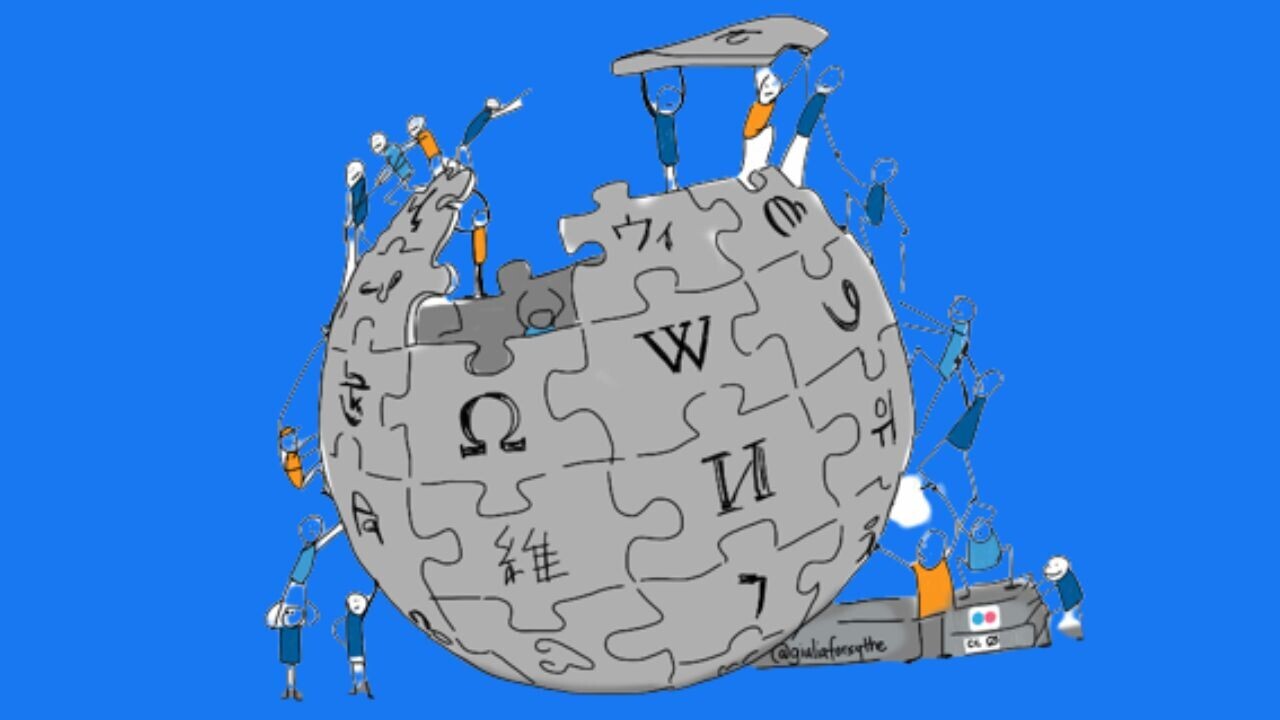
The Wikimedia Foundation, the non-profit organization that oversees Wikipedia, regularlyexplores new solutions for these shortcomings.
A new effort to address them harnesses the power ofAI.
The AI team atMetahas launched a research initiative to improve Wikipedias citations.

This scale makes the problem a compelling use case for machine learning.
It’s free, every week, in your inbox.
Metas proposal fact-checks the references.
Source code
The models knowledge source is a new dataset of 134 million public web pages.
Dubbed Sphere, Meta saysthe open-source libraryis larger and more intricate than any corpus ever used for such research.
Our work can assist fact-checking efforts.
To find appropriate sources in the dataset, the researchers trained their algorithms on 4 million Wikipedia citations.
This enabled the system to unearth a single source to validate each statement.
An evidence-ranking model compares the alternative sources with the original reference.
A human editor can then review and approve the suggestion.
To illustrate how this works, the researchers used the example of aWikipedia page on retired boxer Joe Hipp.
The entry describes theBlackfeet Tribemember as thefirst Native American to compete for the WBAWorld Heavyweight title.
The system then searched the Sphere corpus for a replacement reference.
While the passage doesnt explicitly mention boxing, the model inferred the context from clues.
Future fact-checking
The team now aims to turn their research into a comprehensive system.
The research may further fears about automated fact-checking and Big Tech firms becoming arbiters of truth.
The more optimistic view is that Metas finally found a way to use itsmisinformation experiencefor good.
Story byThomas Macaulay
Thomas is the managing editor of TNW.
He leads our coverage of European tech and oversees our talented team of writers.
Away from work, he e(show all)Thomas is the managing editor of TNW.
He leads our coverage of European tech and oversees our talented team of writers.
Away from work, he enjoys playing chess (badly) and the guitar (even worse).
