The road map to replacing old-fashioned carbon-emitting cars withelectric vehiclesis well developed at least in theory.
All the major car makers (and even some ofthe smaller ones) are publicly committed to electric.
But actually, buying a new electric car?
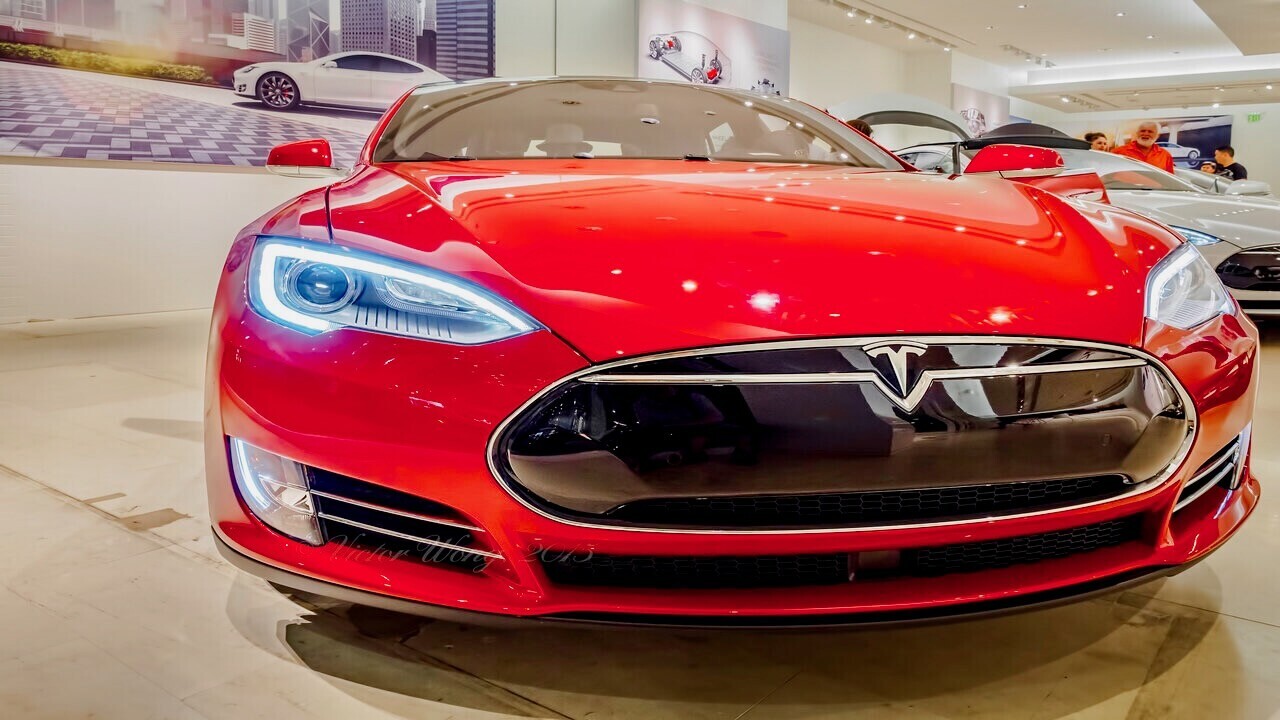
Thats another matter entirely.
Fords E-Transit sold out before it had evenstarted making them.
40% off TNW Conference!
So too will those governments who have plans to ban the sale of new petrol and diesel cars.
These targets rely in large part on the usual cycle ofvehicle replacement.
At the moment, there are simply not enough electric vehicles being made to meet that demand.
Government targets for roads full of electric vehicles may soon seem hopelessly unrealistic.
End of the road?
So what has gone wrong?
To begin with, in the early days of electric vehicles, manufacturers were playing their cards safe.
But batteries won out, and consumer demand helped along by those plans to ban petrol and diesel soared.
In spring 2022, Tesla had to close its Shanghai factoryfor three weeksdue to lockdowns in China.
This equates to around three months supply for a market like the UK.
And just when it got the factory back open, it had toreduce productiondue to supply chain issues.
Again, it is certainly not just Tesla that is affected.
Semiconductor issues are ongoing, and many vehicles are beingshipped without features, or parked in fieldswaiting for parts.
These backlogs will take a long time to clear, and will be a major headache for everyone concerned.
Pushing back important targets on road vehicles could be catastrophic for the planet, but we still need vehicles.
If we dont, the drive to net-zero could soon be running on empty.
