A viral game thats inspired copious clones has exposed the complexities of copyrightingapps and the shamelessness of greedy imitators.
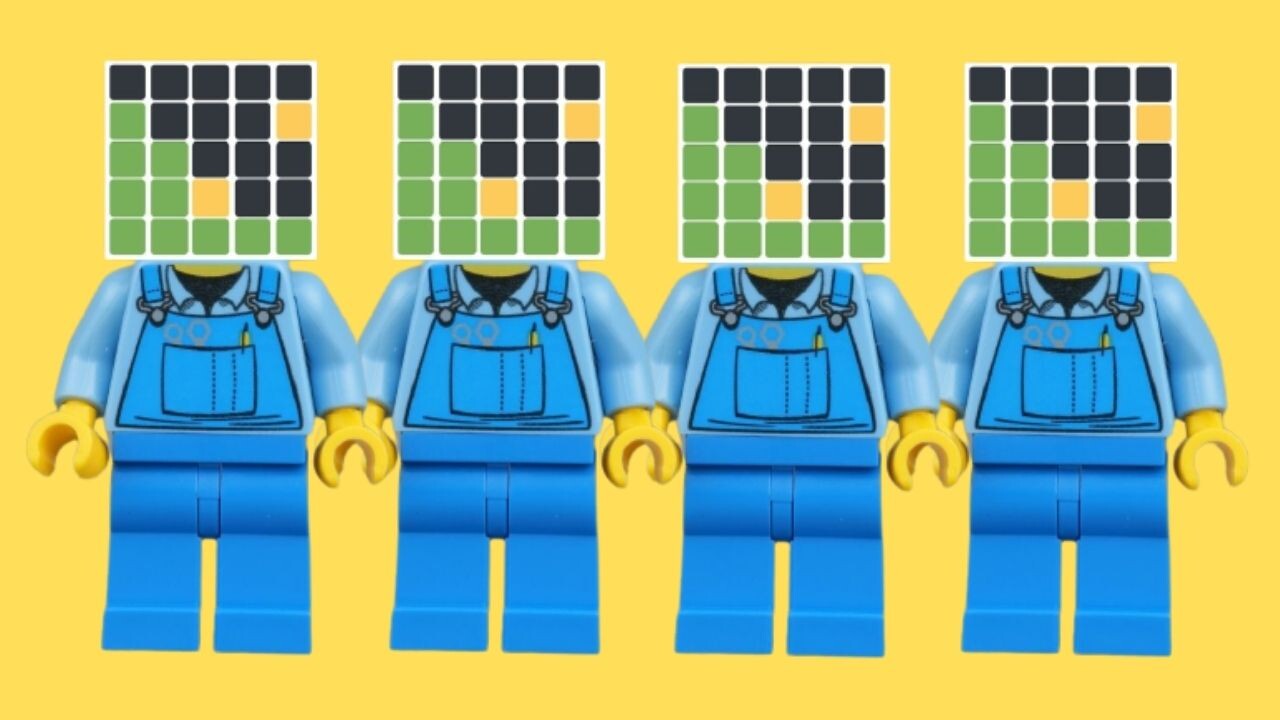
Wordlehas attracted more than 2 million daily players since its launch in November.
That good deed was soon punished.
It’s free, every week, in your inbox.
Zachary Shakked, an NYC-based entrepreneur, swiftly exploited Wardles generosity.
Users were offered trial subscriptions for a $29.99 a year Pro version of his iOS app.

I love Wordle so much I decided to make my own Wordle app but with a twist!
There’s not just 5-letter words, but also 4, 6, and 7 letter words too!
It certainly sounds familiar.
While the original game doesnt appear to be trademark protected, the clone could still have violated IP rights.
However, the free to play aspect of Wordle could undermine this allegation.
Gaming the system
The name is not the only IP issue at play.
There are also potential infringements of gameplay elements, but these are harder to protect.
Wordle, however, is quite a basic concept, so the creator may struggle to prove sufficient originality.
Indeed, the game has faced its own accusations of plagiarism.
Forms of flattery
After his app was removed by Apple, Shakkedacknowledgedthat he had crossed a line.
Yet he argued thatWordle is itself a ripoff of the game show Lingo.
Lingos current presenter, Adil Ray, tweeted that Wordle basically is OURS.
Lingo back today@3pm@itv#lingo#Wordle?
As former Kickstarter CTOAndy Baio noted, games with similar mechanics have existed since at least the 19th century.
In the end, Apple intervened before the law did.
Apple mayalso rip offdevelopers, but this was a welcome intervention.
Story byThomas Macaulay
Thomas is the managing editor of TNW.
He leads our coverage of European tech and oversees our talented team of writers.
Away from work, he e(show all)Thomas is the managing editor of TNW.
He leads our coverage of European tech and oversees our talented team of writers.
Away from work, he enjoys playing chess (badly) and the guitar (even worse).
