The ocean covers over 70% of our planet.
As an avid swimmer and surfer I also think the ocean is simply bloody magnificent.
However, the worlds oceans face unprecedented threats from pollution, overfishing, and climate change.
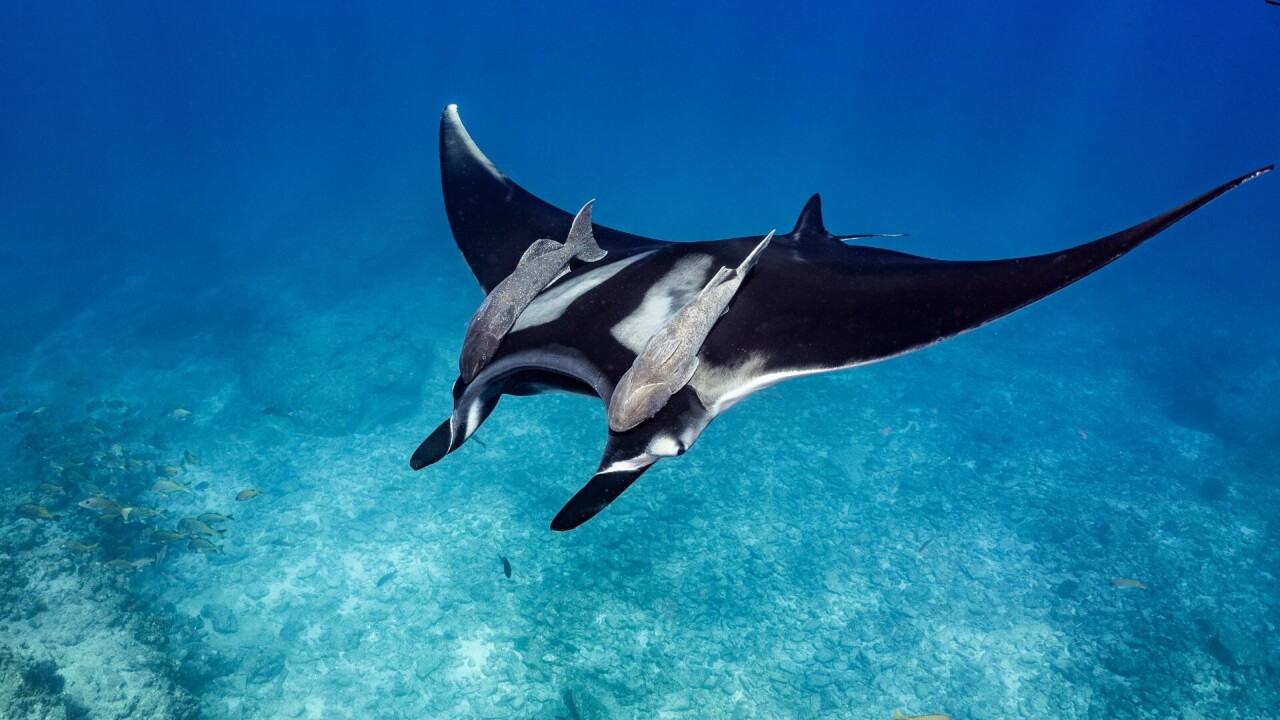
This is undermining the health of an ecosystem that supports all life on Earth.
In this era of rapid technological advancement, innovative solutions are emerging that can help reverse the damage.
Underwater satellites
GermanstartupPlanBlue has built an underwater satellite called DiveRay that it uses to map the seafloor.

It’s free, every week, in your inbox.
DiveRay is equipped with high-resolution cameras and navigation sensors.
Researchers around the world use PlanBlues tech to study the health of underwater ecosystems.
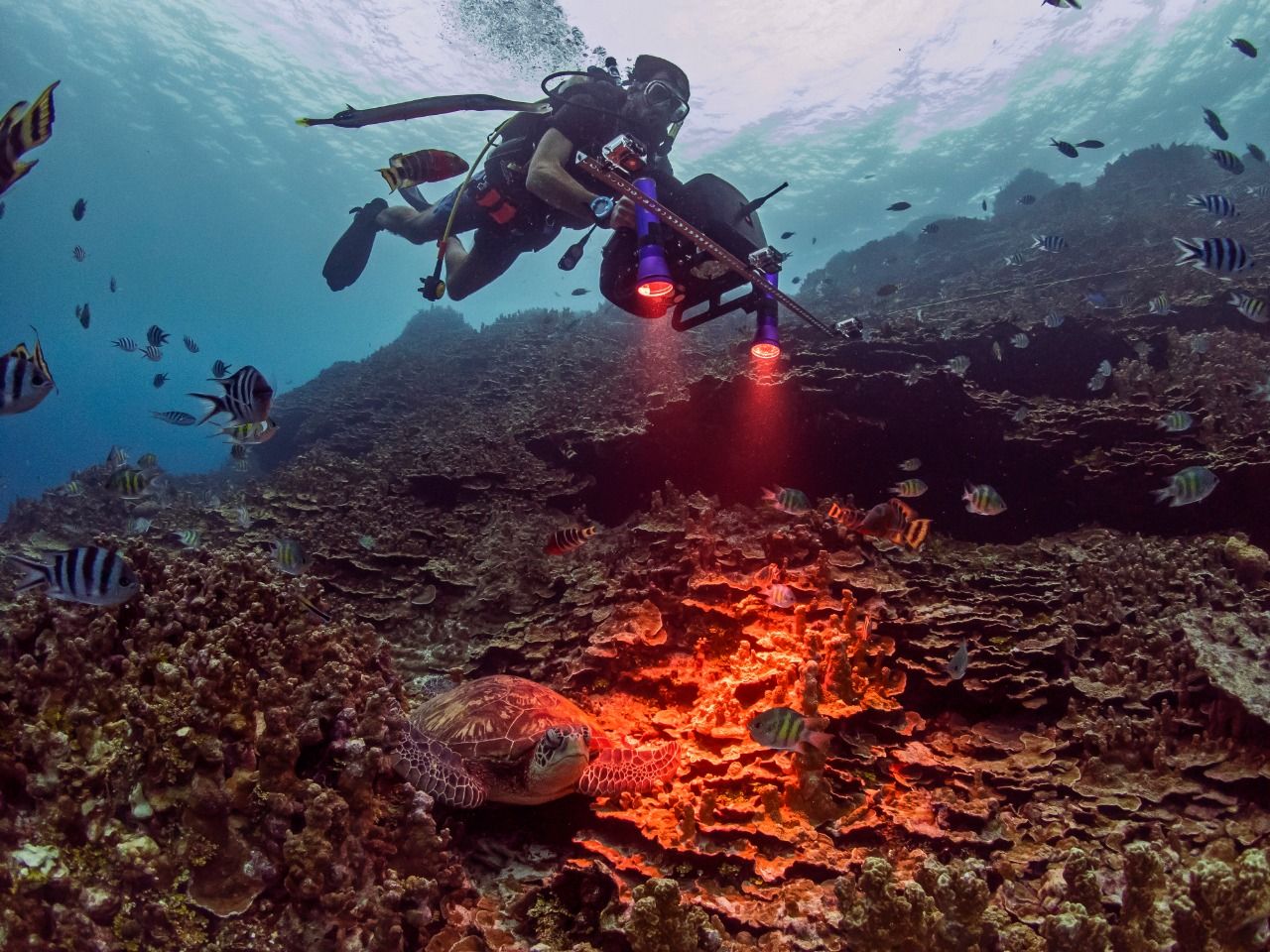
Scientists also use DiveRay to track the progress of restoration efforts, like coral gardening.
PlanBlue recently teamed up with Dutch surveying giant Fugro to scale up its technology.
Nearly 90% of the worlds marine fish stocks are now fullyexploited, overexploited or depleted.
You might think that stopping eating fish altogether is the answer, and you could be right.
But the reality is that forbillions of peopleseafood is a crucial source of food and income.
It wants to tackle overfishing while simultaneously supporting local fishers that rely on fishing for their income.

The platform centres around three apps.
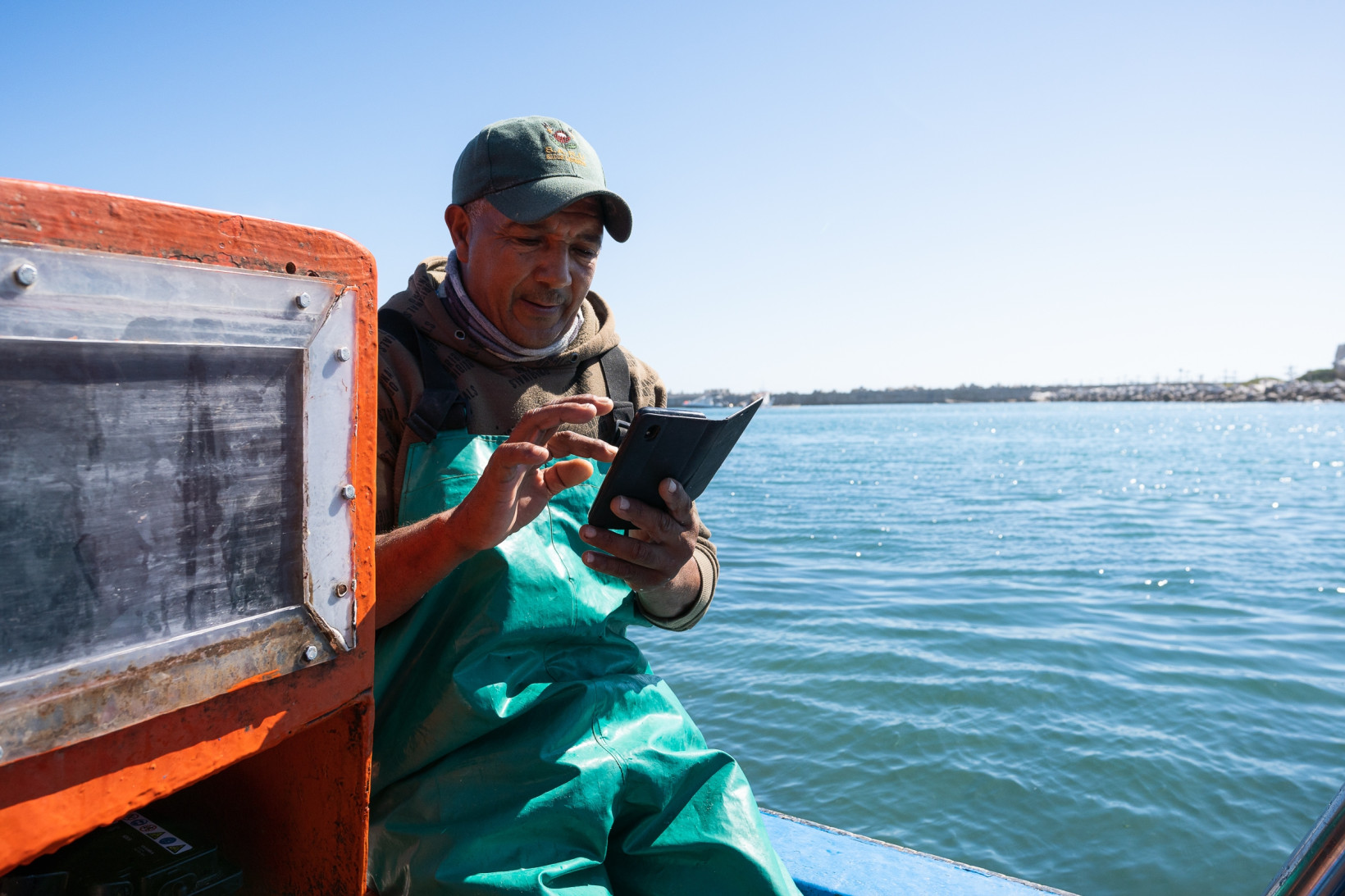
The first allows fishers to upload details of their daily catch to an encrypted database.
Only fish that are caught legally within sustainable bag limits can be uploaded.
Then, on a marketplace app, restaurants and homeowners can purchase the fish at a fair price.
The bulk of the profits go straight to the fisherman or woman who caught the fish.
ABALOBI allows fishers to get a good price for less valuable, but more plentiful, fish species.

This lessens pressure species on like lobster or tuna whose numbers are dwindling.
The startup was a finalist for last yearsEarthshot prize.
This is taking its toll on one of the oceans most precious habitats: coral reefs.
In the past thirty years,halfof the worlds coral reefs have died and disappeared.
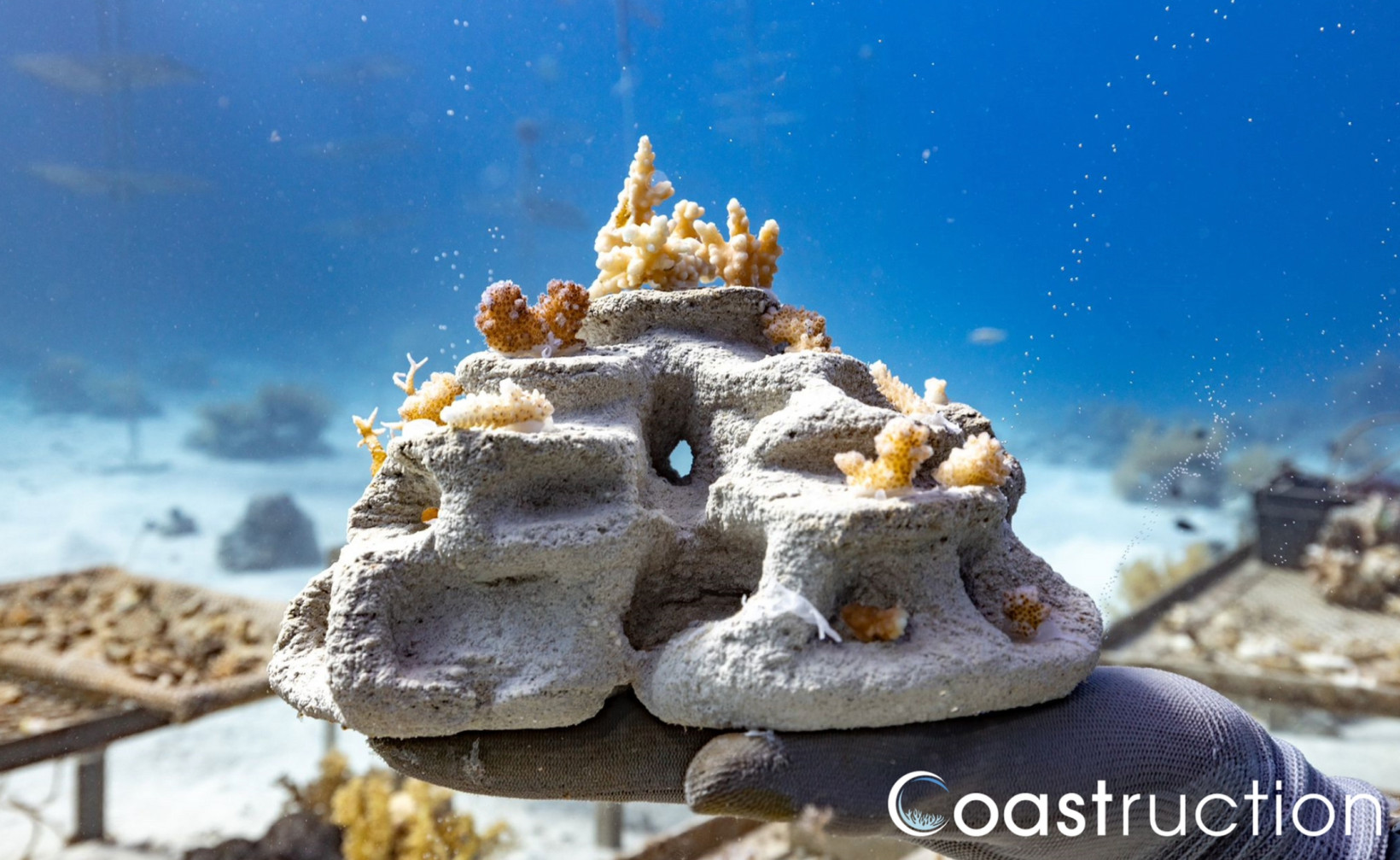
Coastruction, a startup based in Rotterdam, the Netherlands, wants to print them back to life.
Coastruction uses a special 3D-printer that deposits concrete layer-by-layer to create complex geometric shapes.
The more complex the shape, the more nooks and crannies for marine life to latch on to.
The 3D structures are then placed underwater in coastlines around the world, like Maldives or Saudi Arabia.
Over time, they become habitats for fish, new coral and algae.
In sufficient numbers, they can also act as a barrier to protect coastal cities from storms and erosion.
Coastruction is currently looking to scale up.
Its building a new printer and seeking further investment.
But together, ventures like these could help turn the tide.
Story bySion Geschwindt
Sion is a freelance science and technology reporter, specialising in climate and energy.
