The project was unveiled this week by Phil Douglas, the director-general of the UKs Border Force.
Douglastold the Timesthat he aims to install new e-gates at airports that create an intelligent border.
By integrating enhanced facial verification, the system wouldmake physical travel documents unnecessary.
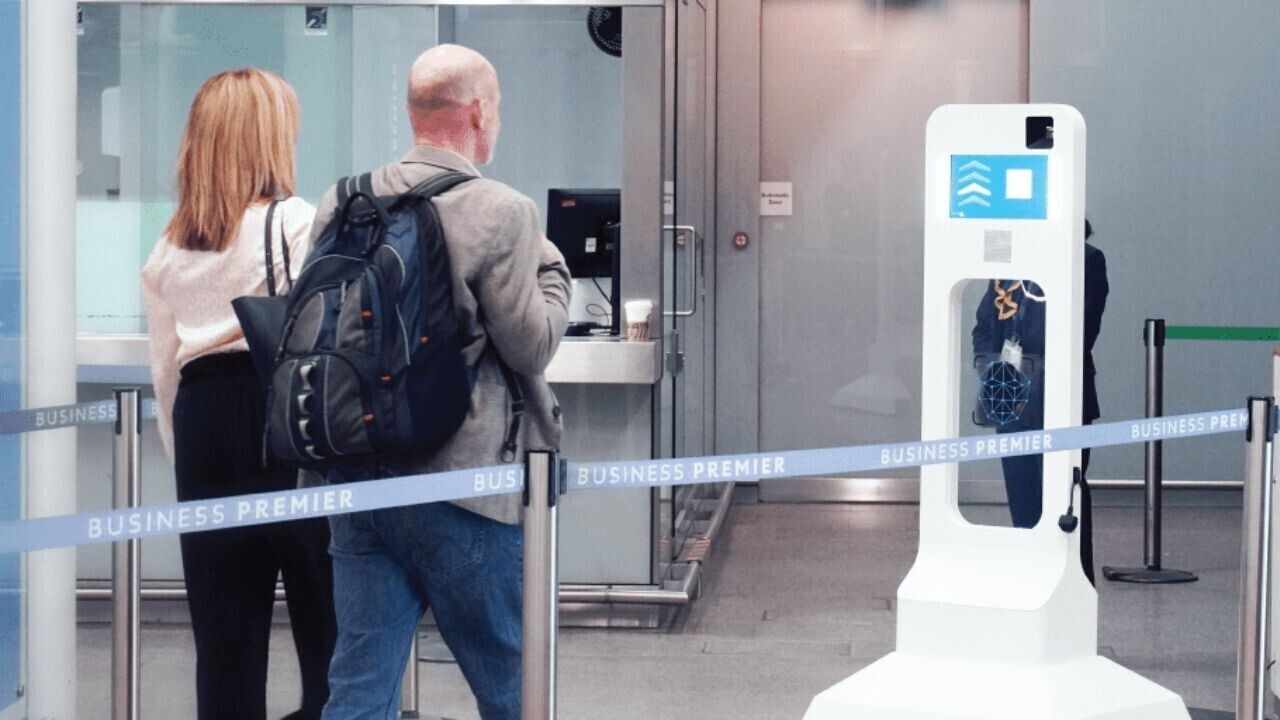
Trials of thetechare expected to start this year.
A full rollout, however, remains a more distant prospect.
Nonetheless, hes confident that the switch will certainly come later.

It’s free, every week, in your inbox.
The system lets users skip ticket gates and manual border control in the UK.
After baggage inspection and a passport check at the French border, theyre free to board the train.
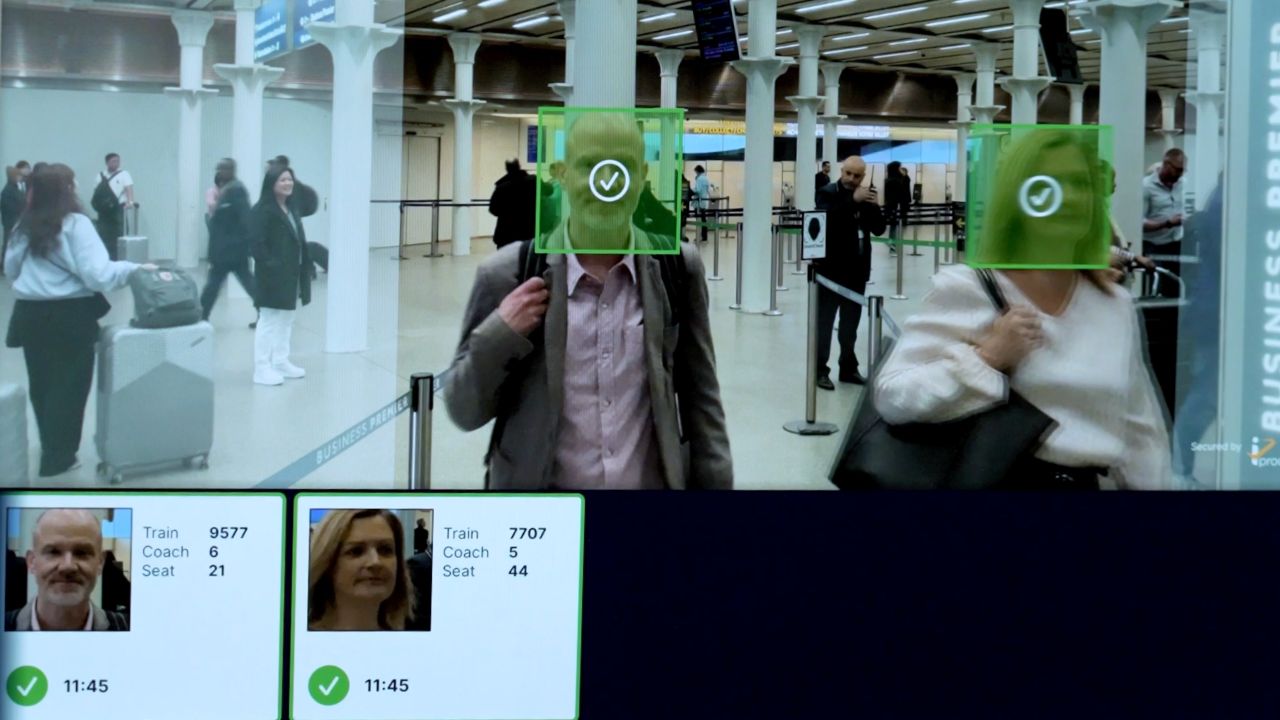
There are all sorts of practical issues that emerge and need to be sorted before large-scale operation is sensible.
Real people can do the most unpredictable things its pretty challenging to get right, he said.
Despite the challenges, facial verification is becoming more common at borders.
Still, concerns have been raised about the privacy implications.
Campaigners fear that biometrics systems used for beneficial purposes can pave the way to more sinister applications.
Bud, however, argues that theres a big difference between the deployments.
This is notfacial recognitionfor identifying people, in the way the police use it, he said.
They are very different legally, ethically, and technically.
Research suggests that most travellers would welcome the tech.
Story byThomas Macaulay
Thomas is the managing editor of TNW.
He leads our coverage of European tech and oversees our talented team of writers.
Away from work, he e(show all)Thomas is the managing editor of TNW.
He leads our coverage of European tech and oversees our talented team of writers.
Away from work, he enjoys playing chess (badly) and the guitar (even worse).
