Last year, cyber security company Kaspersky detected nearly3.5 millionmalicious attacks on mobile phone users.
According to a global report commissioned by private company Zimperium, more thanone-fifthof mobile devices have encountered malware.
And four in ten mobiles worldwide arevulnerableto cyber-attacks.
But how do you know if your phone has been targeted?
And what can you do?
How does a phone get infected?
40% off TNW Conference!
In Australia, Scamwatch received16,000 reportsof the Flubot virus over just eight weeks in 2021.
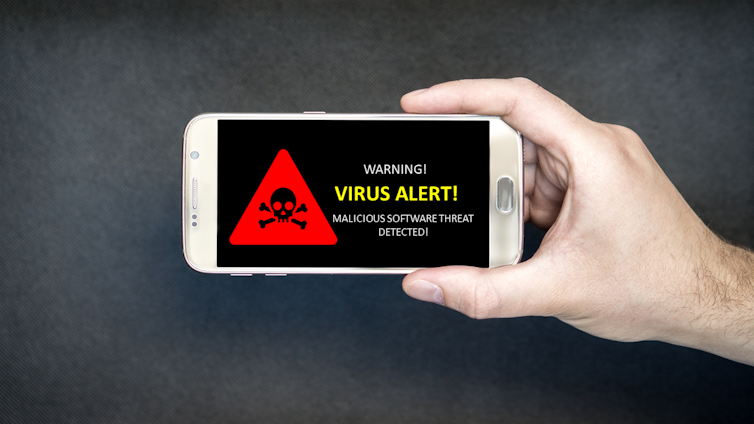
Thisvirussends text messages to Android and iPhone users with links to malware.

Flubot scammers regularly change theirtarget countries.
Is either Apple or Android more secure?
Similarly, Android users who install apps from outside the Google Play store increase their risk of installing malware.
Its recommended all phone users stay on guard, as both Apple and Android arevulnerableto security risks.
That said, phones are generally better protected against viruses than personal computers.
This reduces the risk of infection or cross-contamination from malware.
However, no rig is entirely immune.
Apple devices are generally considered more secure against malware than Android devices, but theyre still at risk.
Pixabay/Pexels.com (edited).
First, to prevent further damage youll need to remove the malware.
Resetting a phone to its original controls will eliminate any malware.
The mobile security apps mentioned above will help with this.
But you might also:
Continually monitor your phone for suspicious activity and trust your gut instincts.
If something sounds too good to be true, it probably is.
