It may seem far-fetched, but its possible to use your smartphone to detect diseases.
Smartphone-based tests have been developed for detectingHIV,malaria,TBandvarious food contaminants.
Weve been involved in developing ways of using smartphones to monitor food contamination as part of the EU projectFoodSmartphone.
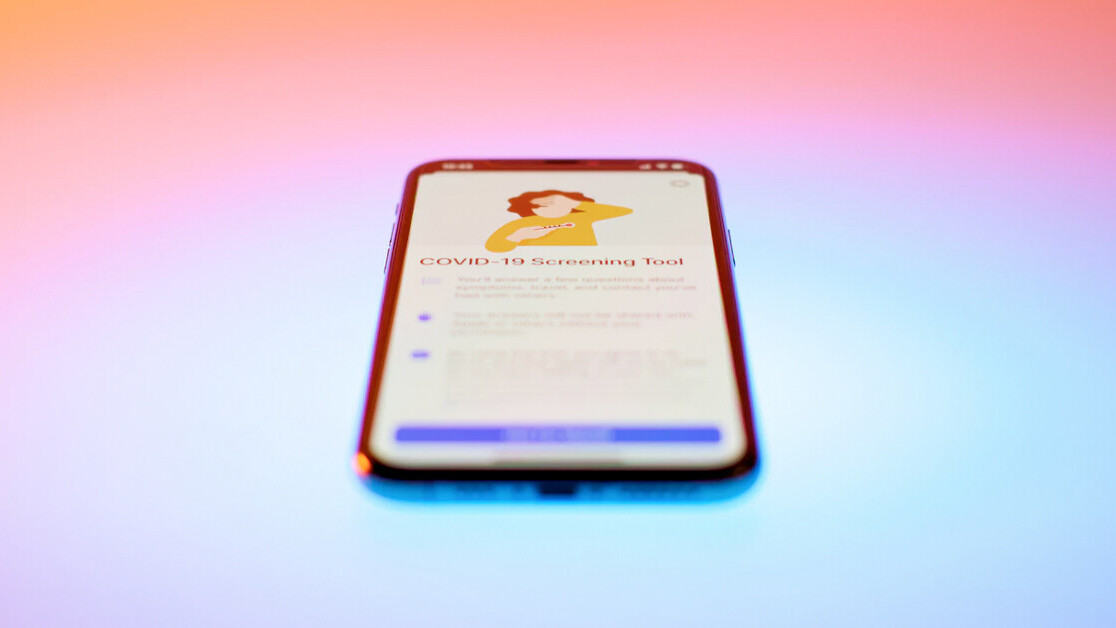
Here, we weigh up the potential of using this exciting technology to fight the virus.
How does it work?
It’s free, every week, in your inbox.

If the sought-after substance is there, theres a reaction.
Results can be displayed on an app on the phone and immediately communicated to the relevant authorities.
This sort ofpiggybackingon existing technology is already being suggested.
But having such a test publicly available for coronavirus may be some time away.
Most smartphone-based tests arecurrentlyonly in the proof-of-concept stage.
They still need to go through several rounds of testing with patients to prove that they work.
This can take years.
For example, themChip dongle a smartphone-based test for detecting HIV and syphilis has been around since 2015.
The resultsare pending and even if theyre good, theres still another phase of trials to go.
Perhaps similar speedy development of smartphone-based testing is achievable.
What would we use these tests for?
For COVID-19, smartphone based-devices could be used in several ways.
Information from these tests may give us better information about asymptomatic cases and immunity.
Finally, we might use them for testing whats on surfaces, such as food packaging.
This is due to there being lower virus concentrations and lots of other substances on surfaces.
Will the benefits outweigh any potential harm?
Smartphone-based diagnosis of COVID-19 could improve self-isolation measures, data collection and the tracking of infection hot spots.
These tests would also need to be clear and easy to use, to avoid them being performed incorrectly.
An additional question is whether its actually relevant to do surface testing.
However, there are no studies showing that the virus remains infectious for that period.
Widespread surface testing could cause unwarranted fear by detecting virus particles that pose a very low risk of infection.
Smartphone-based biosensors may prove extremely helpful for tracking and controlling COVID-19s spread.
Additionally, its full capabilities and inevitable shortcomingsmust be openly communicated to the publicto minimise confusion.
This could be achieved by clearlyconveying the tests limitations in the smartphone app.
A botched implementation of the technology would lead to a further loss in public trust for scientists.
Given some of thehigh-profile scandalsalready emerging during the COVID-19 era, this is not something we can afford.
