Did you know that Cortney Harding is speaking atTNW2021this year?
Virtual reality may finally be inching into the mainstream.
Sales of VR headsetsreportedly skyrocketedduring the pandemic and the systems feature prominently in the growinghype around the metaverse.
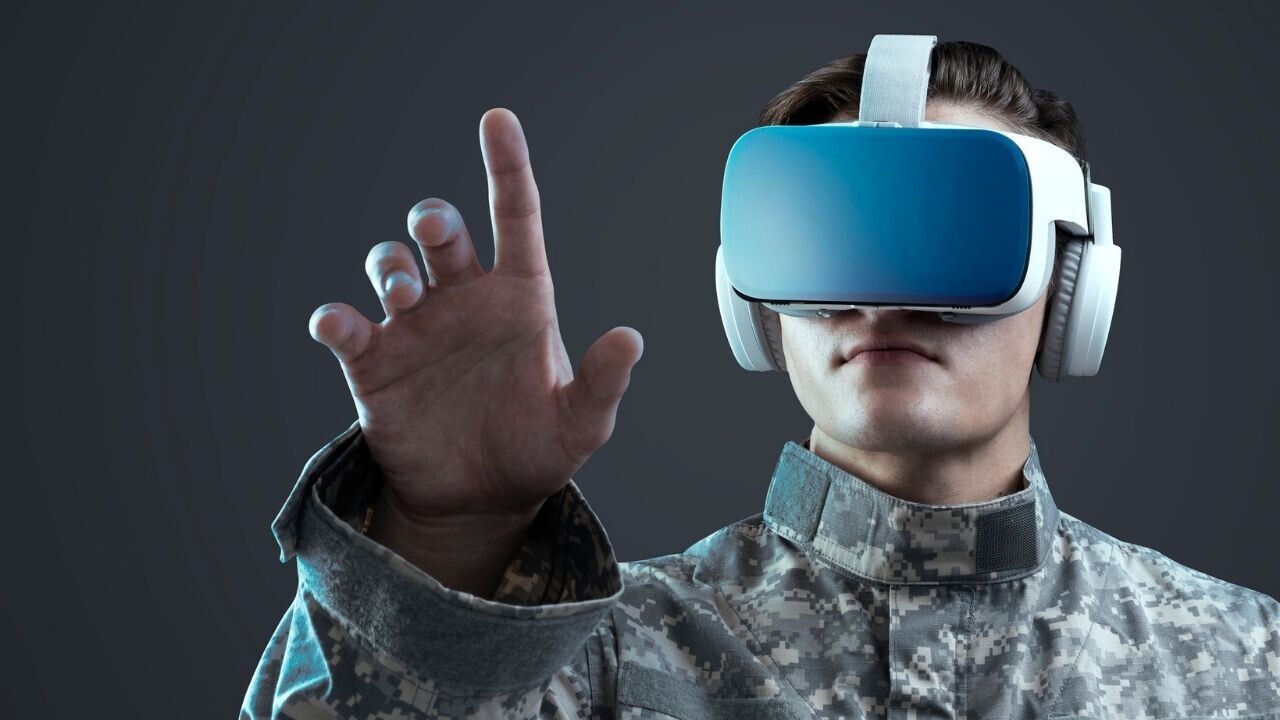
Most of this tech is designed for entertainment, but its also gaining traction in the workplace.
One of the developers of these applications isFriends With Holograms.
The New York-based digital agency focuses on creating VR and AR training that generates empathy to address social issues.

It’s free, every week, in your inbox.
The companys projects include an immersive experience that shows employees the impact of exclusionary behavior.
The company also worked with Accenture to developa VR simulation for trainee family welfare workers.
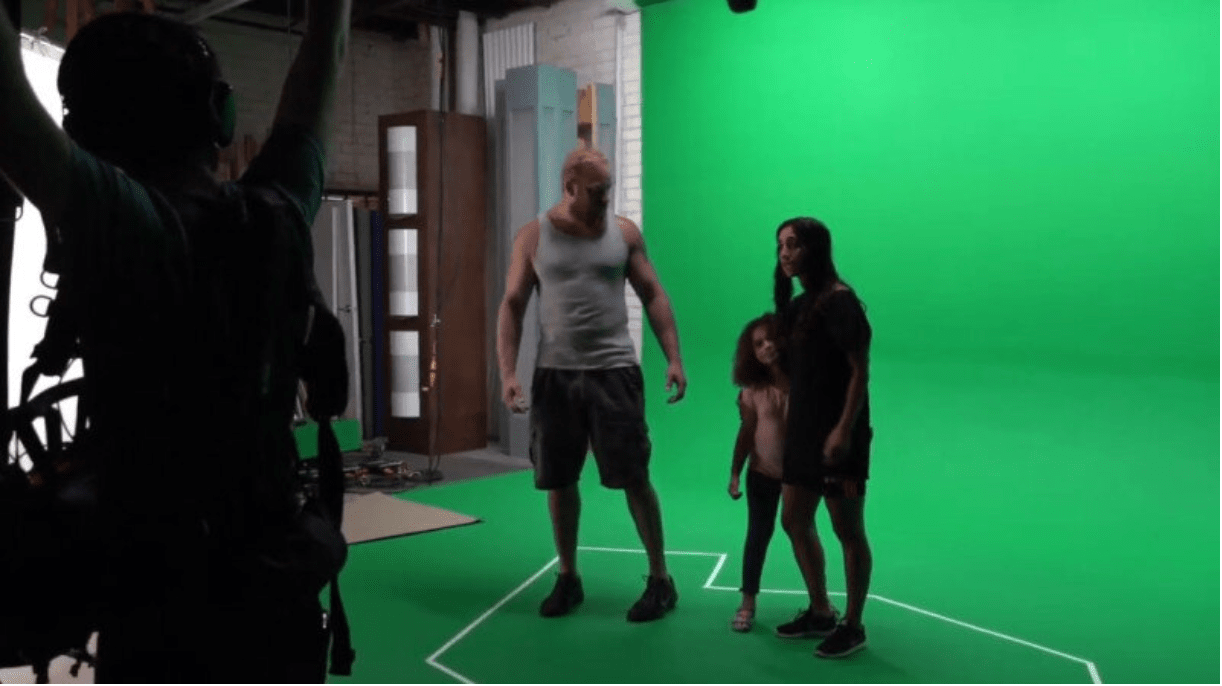
Users were presented with an extremely different decision: whether to remove a child from their home and family.
The scenario used natural language processing to let users choose from a variety of ways to make each inquiry.
They would then receive different levels of information based on how they phrased the questions.
The training reduced turnover in Indianas child services department by 18%.
Harding said the benefits of this go beyond saving money on hiring new staff.
More importantly, it helps families build consistent and trusting relationships with welfare workers.
Virtual realism
Friends With Holograms develops VR training scenarios with actors rather than computer-generated models.
The company also focuses on making the experience interactive.
In the child welfare simulation, the agency used voice recognition as an input system.
Passive observation, says Harding, cant match the sense of realism produced through interaction.
Harding is also exploring the integration of biometric analysis.
VR needs
Friends With Holograms customizes each scenario to the specific needs of the client.
That determines everything else, says Harding.
She also emphasizes the importance of putting people in simulations that match their real-life experiences.
Her company is currently applying this approach to a project focused on racial bias.
The better way to get people to feel something and change something is to meet them where they are.
Story byThomas Macaulay
Thomas is the managing editor of TNW.
He leads our coverage of European tech and oversees our talented team of writers.
Away from work, he e(show all)Thomas is the managing editor of TNW.
He leads our coverage of European tech and oversees our talented team of writers.
Away from work, he enjoys playing chess (badly) and the guitar (even worse).
